


Escalation in Unauthorized Development
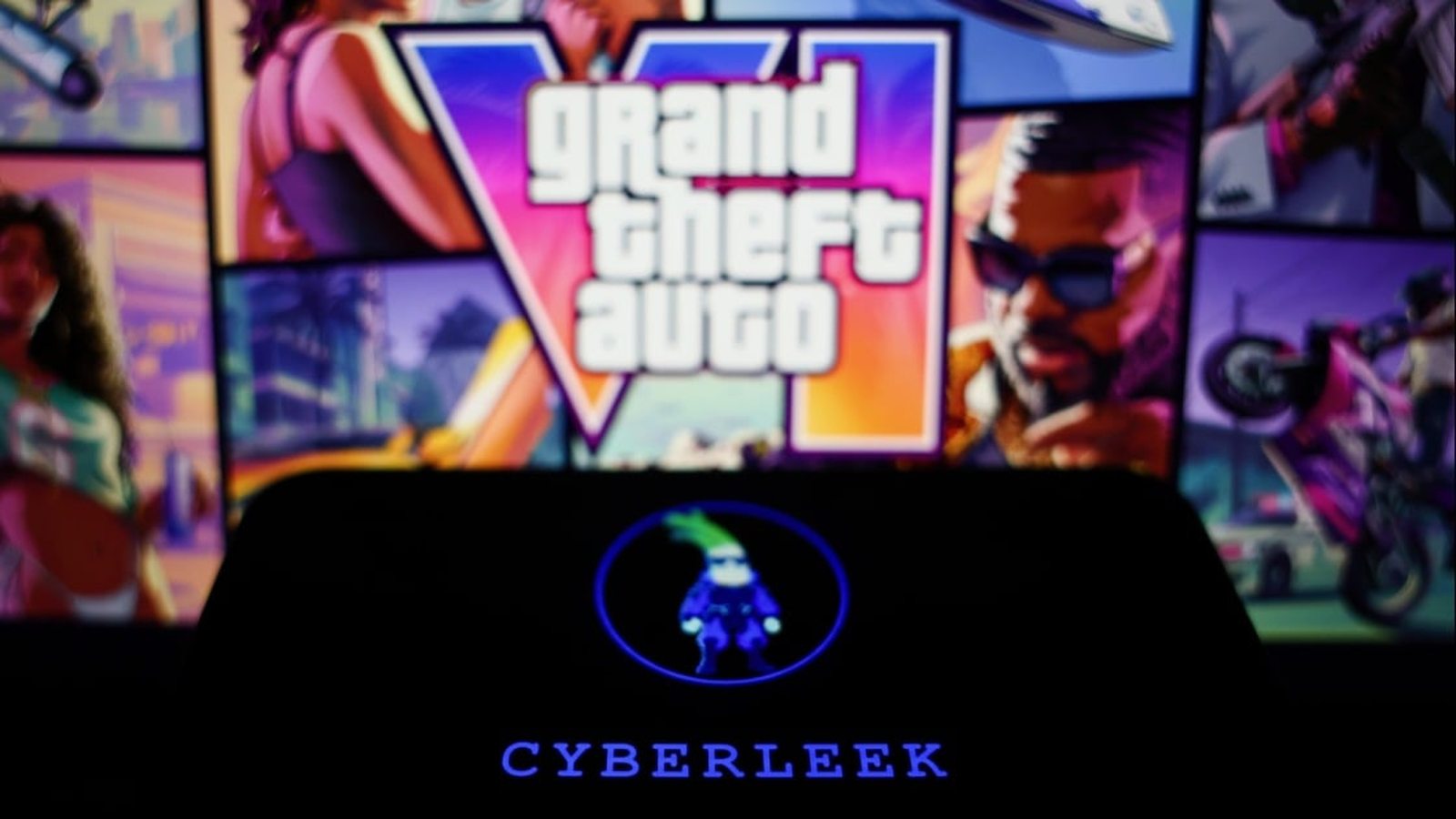
On November 23, 2026, the hacking organization known as CyberLeek released a 57MB executable archive, claiming it provides the final missing component required to complete a stolen Xbox build of Grand Theft Auto 6, according to PCMag. This development follows the group’s circulation of a 209GB torrent containing RAGE engine assets and Xbox console files earlier in the same week. By distributing this executable, CyberLeek has shifted its focus from simple data theft toward facilitating community-led, unauthorized recompilation projects aimed at porting the console-exclusive title to Windows-based PCs.
PCMag reported that while the executable does not function as a playable game file on its own, it serves as a critical bridge for modders attempting to reverse-engineer the Xbox build. Because the Xbox Series X/S operating system shares a common architectural foundation with Microsoft Windows, the leak provides the technical pathways necessary for third-party developers to begin recompiling the game for computer hardware. CyberLeek characterized the release as an early holiday gift, though the group also used the event to solicit donations for its own cryptocurrency.
The Role of Community Recompilation
The primary entity leveraging these files is a community-driven initiative known as the Leonida project. According to PCMag—whose reporting was also summarized by LAVX—the project’s internal communications channels, specifically its Discord server, saw a massive influx of traffic following the leak, leading to temporary service outages. An administrator within the project clarified that the leaked files would not be hosted or redistributed by the group itself, citing legal risks, and emphasized that the technical process of building a functional port remains in its infancy.
“It will take at least a week for us to get somewhere noticeable to the point where you can play on your pc,” an administrator stated in a follow-up post. Members of the community are currently utilizing generative AI coding tools, including models like Anthropic’s Claude, to parse the leaked RAGE engine code. While some users claim to have reached a state where the game briefly attempts to boot—evidenced by audio cues or black screens—there is no verified evidence of a functional or stable PC experience at this stage.
Market and Institutional Stakes
The leak represents a significant security breach for Rockstar Games and its parent company, Take-Two Interactive. To date, both companies have maintained silence regarding the leaked assets and the ongoing reverse-engineering efforts. The breach is particularly sensitive given market speculation that an official PC version of Grand Theft Auto 6 could be announced or released as early as the first quarter of 2027.
Industry analysts note that a viable, pirated PC port would pose a direct threat to the game’s long-term sales projections. By enabling unauthorized access to the software before the official Windows release, the leak risks sapping the momentum of a title that is currently exclusive to PlayStation 5 and Xbox Series X/S. Furthermore, this incident highlights the limitations of traditional digital security, as the distribution of engine assets has effectively decentralized the development process, moving control into the hands of anonymous modding collectives. Take-Two Interactive has previously engaged in aggressive legal maneuvers, including subpoenaing major platforms like Microsoft for information regarding the source of such leaks, though the leadership of CyberLeek remains at large.