


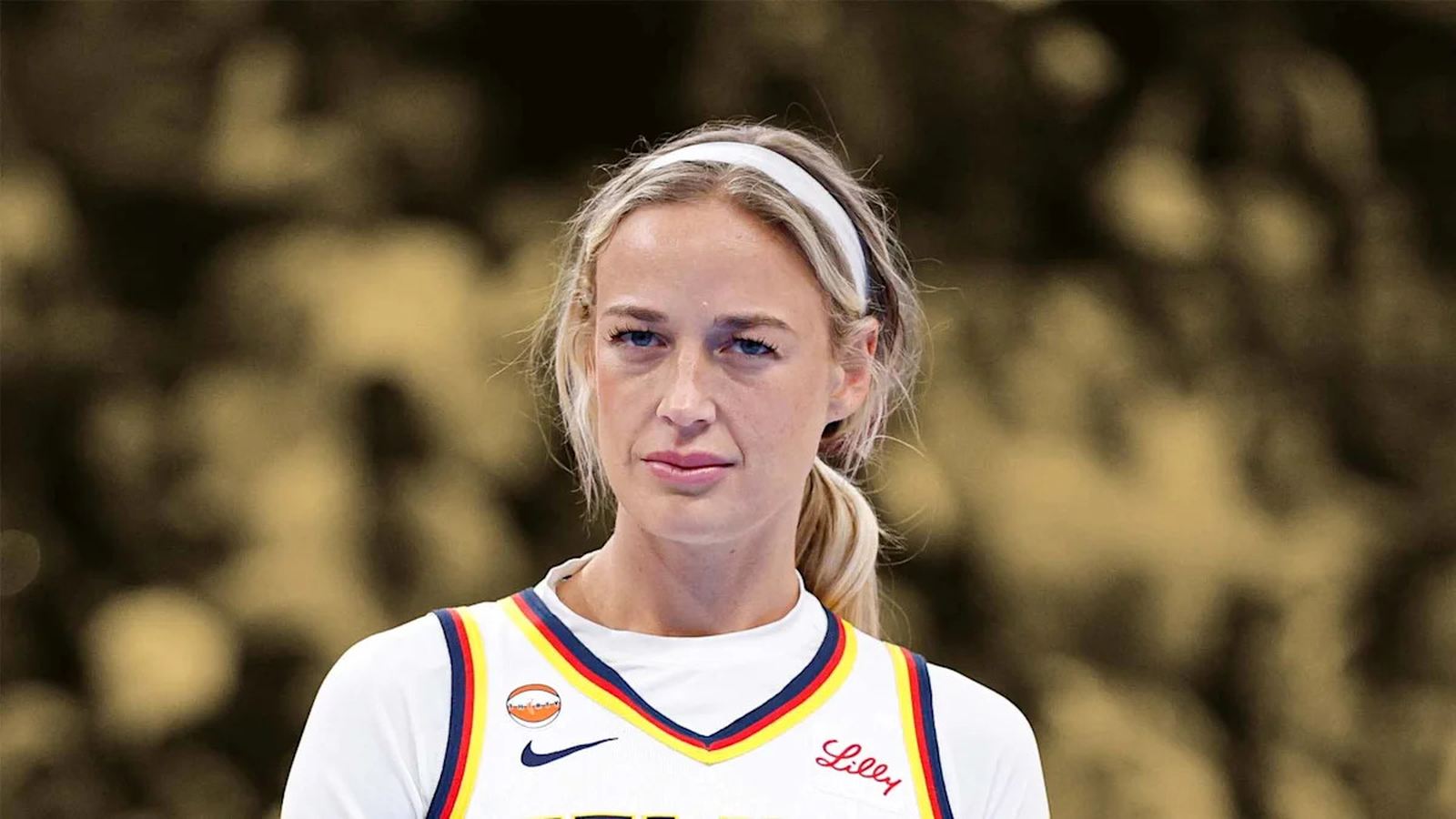
WNBA player Sophie Cunningham has shed light on the unique family-building methods and career hurdles experienced across professional women’s basketball, detailing how players navigate motherhood both on and off the court. Speaking on the dynamics within the league in comments published by Yahoo Sports on November 23, 2026, Cunningham explained that players in the LGBTQ+ community often choose paths where a partner carries the pregnancy, allowing athletes to remain active on the court while expanding their families.
“A lot of people who were my teammates, this is strictly my experience, but their wives are typically the carriers, so they’re not the ones having the baby. You can have your partner carry your egg,” Cunningham stated. She emphasized that while some players choose to carry pregnancies themselves and return to elite competition, the physical demands of high-level basketball present significant recovery obstacles.
Diverse Paths to Family Building in Professional Basketball
The ability to utilize reciprocal in vitro fertilization (IVF)—where an athlete’s egg is fertilized and carried by her partner—offers a distinct alternative for many players in the WNBA. This path permits athletes to participate in biological parenthood without requiring an immediate, multi-month hiatus from competitive play or undergoing the physical stresses associated with gestation and postpartum recovery.
However, for players who do choose to carry their own children, the physical and scheduling demands remain substantial. As Cunningham noted, while returning to the court after giving birth is entirely achievable, it demands rigorous physical rehabilitation and careful management of professional commitments.
Historical Examples of Balancing Pregnancy and Play
Throughout the history of the WNBA, prominent athletes have demonstrated how motherhood can be integrated into high-stakes athletic careers, often under vastly different institutional conditions. In 2018, guard Skylar Diggins-Smith played an entire 34-game regular season while pregnant with her first child, keeping the news private until after the season concluded, subsequently missing the 2019 campaign for recovery and care.
Similarly, league icon Candace Parker made headlines in 2009 when she gave birth to her daughter during the early months of the WNBA season and returned to game action just 53 days later. These high-profile cases highlighted the extraordinary resilience required of active players, while also exposing the structural gaps in league-wide support during earlier eras.
Policy Evolution and Institutional Progress
For years, pregnancy represented a severe financial and professional risk for WNBA athletes. Under older collective bargaining agreements (CBAs), players on maternity leave were often guaranteed as little as 50 percent of their base salary, leaving many facing stark choices between financial security and family planning. The lack of standard child-care stipends or administrative accommodations added further burdens.
Institutional protections improved significantly with the ratification of the 2020 CBA, which guaranteed full 100 percent base salary protection for players on maternity leave. The agreement also introduced housing assistance, child-care stipends, and provisions for family planning support. By 2026, subsequent contractual updates expanded these resources, establishing stronger institutional safety nets even as players continue to address the physical and mental demands of balancing elite competition with family life.