


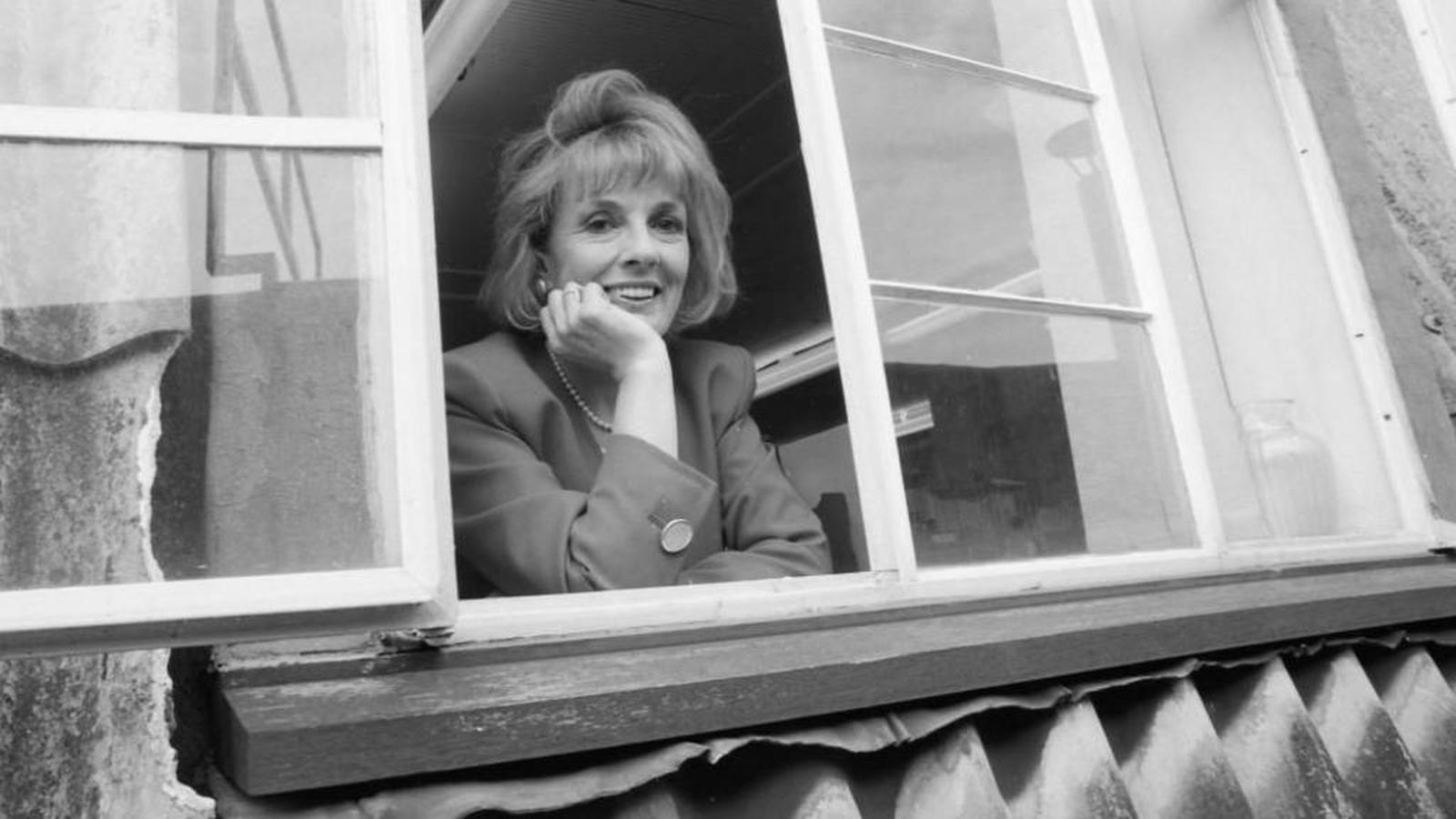
A Life Defined by Broadcasting and Reform
Dame Esther Rantzen, the pioneering television broadcaster, journalist, and social reformer who anchored British television screens for decades with the genre-defining consumer programme That’s Life!, has died at the age of 86, according to the BBC. Her death marks the passing of one of British broadcasting’s most recognizable and tenacious figures, whose career bridged light entertainment, hard-edged consumer investigations, and monumental social activism.
Over a broadcasting career spanning more than fifty years, Rantzen transformed Sunday evening television and reshaped public policy through tireless campaigning. From founding Childline—a lifeline for abused and neglected children—to her final public advocacy for the legalisation of assisted dying following her stage-four lung cancer diagnosis, her public life was defined by an insistence that the media could and should drive tangible social change.
From Satire to Consumer Television Dominance
Born Esther Louise Rantzen in Berkhamsted, Hertfordshire, on June 22, 1940, to a family whose paternal ancestors were Polish Jews, she spent her early childhood outside London after her BBC broadcast engineer father relocated the family away from German bombing. Following education at North London Collegiate School and Somerville College, Oxford, where she read English, Rantzen entered the broadcasting industry as a trainee studio manager with BBC Radio.
She transitioned to television as a researcher on the satirical show BBC3 and later joined Desmond Wilcox on the current affairs programme Man Alive, a professional relationship that blossomed into a personal partnership. By 1973, following the departure of Canadian presenter Bernard Braden, Rantzen was selected as the main host of a newly titled programme, That’s Life!.
Recorded just before transmission on Saturday and later Sunday nights, That’s Life! quickly became a television institution. Blending serious consumer complaints with quirky items, eccentric human interest stories, and consumer advocacy, the show regularly attracted massive audiences, peaking as one of the BBC’s most-watched regular programmes. It introduced iconic features such as the ‘Jobsworth’ award for overzealous bureaucrats and campaign-driven segments that successfully altered public safety regulations.
Childline, The Silver Line, and Lasting Social Impact
While the programme cemented Rantzen’s status as a household name, its most enduring legacy emerged from its investigative journalism. Following harrowing reports of child neglect and abuse, including the death of a toddler locked in a bedroom, Rantzen persuaded the BBC to establish a confidential telephone helpline for children. Launched in 1986, Childline was instantly overwhelmed with calls, prompting her to spearhead fundraising efforts and secure free phone lines and premises from BT.
By the time Childline merged with the NSPCC in 2006, it had expanded to 12 centers across the UK and served as a global model for child protection. Following the death of her husband Desmond Wilcox in 2000, Rantzen turned her attention to the crisis of loneliness among older people, establishing The Silver Line, a dedicated 24/7 support telephone service.
Recognized for her profound philanthropic and public service contributions, Rantzen was appointed an OBE in 1991, a CBE in 2006, and was made a Dame Commander in the 2015 New Year Honours list. Her multifaceted career also included an unsuccessful parliamentary bid in Luton South following the 2009 MPs’ expenses scandal, numerous charity patronages, and continuous engagement with public debates.
Final Campaign for Assisted Dying
In her later years, following her diagnosis with stage-four lung cancer disclosed in June 2023, Rantzen became one of the most prominent public advocates for changing British law regarding medically assisted dying. Speaking openly about her prognosis, she used her final years to challenge legislators and campaign for personal choice at the end of life, bringing renewed national attention to an emotive and legally complex debate.
Tributes from broadcasters, politicians, and charity leaders poured in following the announcement, celebrating her fierce intellect, boundless energy, and uncompromising commitment to the vulnerable. As The Guardian reported, her legacy endures not merely in the archives of British broadcasting, but in the institutional safety nets she personally forged.