


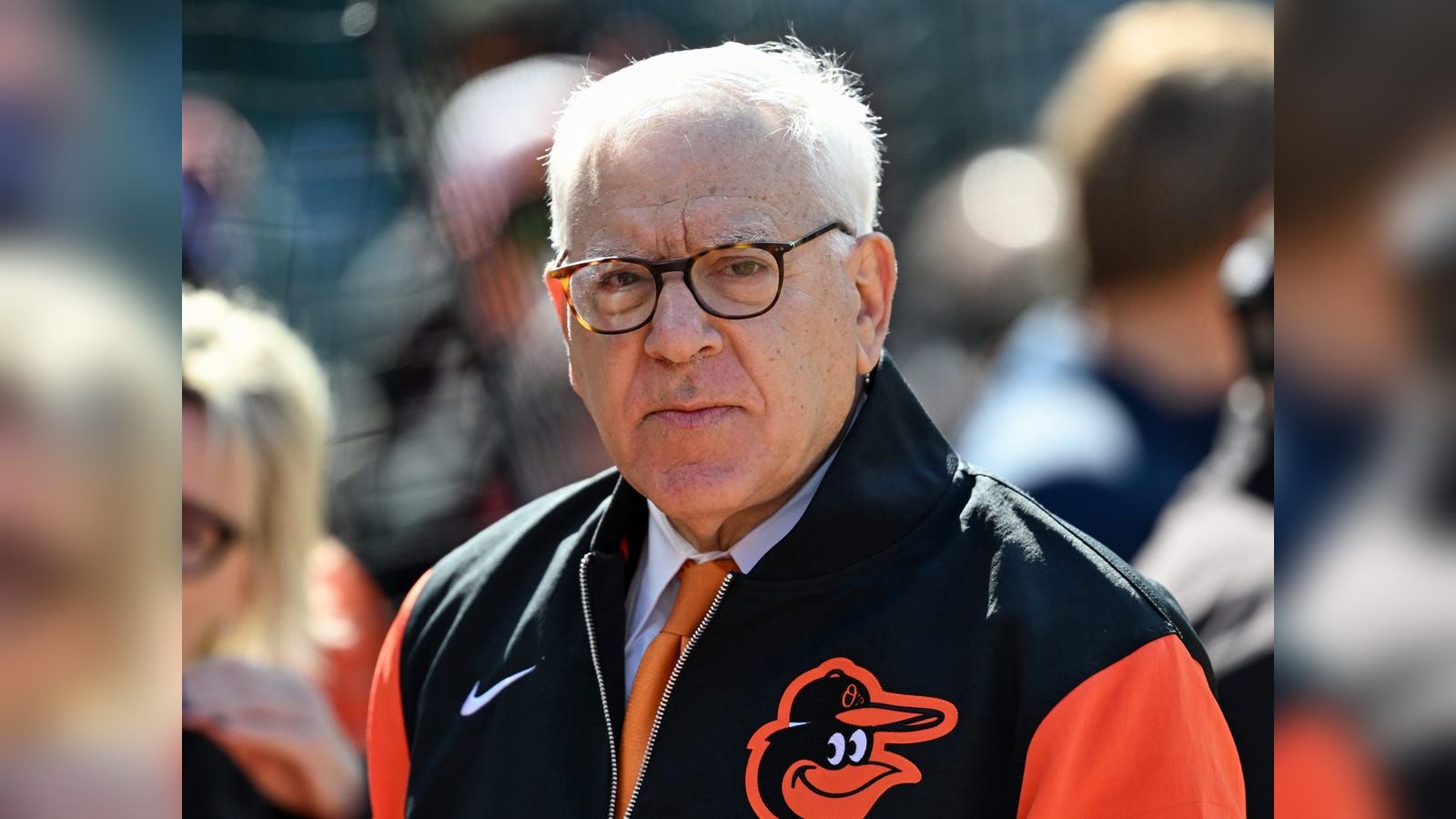
David Rubenstein, the billionaire co-founder of The Carlyle Group, is offering a rare look into his investment philosophy as he pivots from high-stakes private equity toward the world of professional sports ownership. In interviews published late September 2026, the financier discussed the strategic rationale behind his $1.7 billion acquisition of the Baltimore Orioles in 2024, while candidly addressing the investment errors that defined his earlier career.
The Shift to Sports Ownership
Rubenstein, who grew up in Baltimore, described the purchase of the Orioles as a philanthropic effort to support his hometown rather than a purely profit-driven motive. According to Business Insider, Rubenstein noted that attitudes toward sports team ownership have shifted significantly. Once viewed by the ultra-wealthy as a public relations liability due to intense scrutiny, professional teams are now increasingly seen as viable, profitable assets with immense cultural influence.
His new book, “Inside the Owner’s Box: Conversations on Power and Leadership in Sports,” details these changing dynamics and features insights from other prominent owners, such as the New England Patriots’ Robert Kraft.
Reflecting on “Gravest” Investment Errors
Despite his success with The Carlyle Group, Rubenstein identified two major missed opportunities that continue to shape his cautious approach to emerging technology: Amazon and Facebook. He revealed that Jeff Bezos offered him and his Carlyle partners an early stake in Amazon, which they ultimately liquidated after the dot-com bubble collapse. He also recalled turning down a request to invest $30,000 in Facebook during its infancy, noting that he simply “didn’t take it seriously” at the time.
Caution in the Age of AI
Rubenstein is applying these hard-learned lessons to the current artificial intelligence boom. While he acknowledges that companies like Nvidia have demonstrated real, tangible earnings, he warns that many AI valuations have become “really, really high” and difficult to justify. Drawing on a classic sentiment from Warren Buffett, he cautioned that “when the tide goes out, we’ll see who’s been swimming without a bathing suit,” suggesting that a correction for over-leveraged or circular-financed firms is inevitable.
However, Rubenstein remains a proponent of long-term holding. He advised against the panic-selling that often follows market bubbles, noting that history favors those who hold their positions or buy during market dips rather than those who exit entirely.