


A Tactical Shift to Memphis
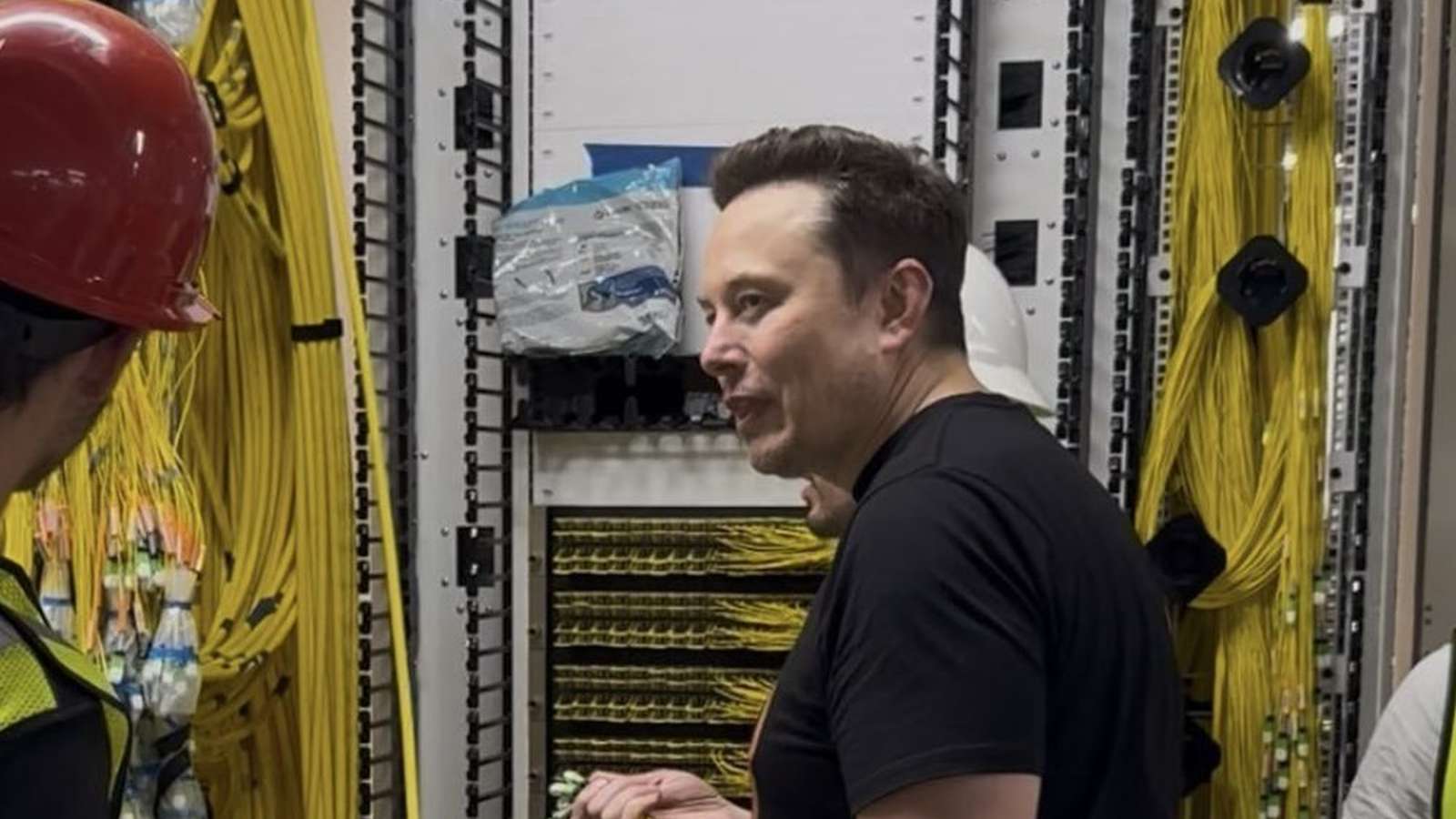
Elon Musk, the world’s wealthiest individual with a net worth estimated at $954 billion, has established a temporary residence in an Airstream trailer at the site of a massive xAI infrastructure project in Memphis, Tennessee. While Musk maintains a private Gulfstream G650ER jet—which features a cabin nearly 47 feet long, technically exceeding the interior space of his current trailer—his choice of living quarters underscores a period of intense operational focus. According to TS2 Tech, Musk’s physical presence on-site is being interpreted by market observers not as a lifestyle preference, but as a clear signal of the capital intensity required for the company’s AI division.
The Memphis site, referred to as the “Colossus” buildout, is central to xAI’s strategy to compete in the generative AI space by supporting the Grok model. SpaceX President Gwynne Shotwell confirmed that Musk has been directly involved in construction oversight and the integration of graphics processing units (GPUs). This level of executive involvement comes as the AI segment reports significant capital expenditure, totaling $15.83 billion for the second quarter alone, according to company financial disclosures.
The Financial Stakes of AI Scaling
The scale of investment in Memphis is substantial, with the company aiming to equip the facility with 1 million GPUs by 2026. Financial data reveals a complex picture: while the AI segment generated $2.56 billion in revenue during the June quarter, it also posted a $1.15 billion operating loss, excluding depreciation and stock-compensation charges. The rapid capital deployment is driven by the necessity to reduce the latency between data-center construction and model training capacity.
The company’s ability to execute this expansion is subject to several operational risks, as outlined in recent filings. These include potential power-grid constraints, supply chain bottlenecks for GPUs, and the complexities of obtaining necessary environmental and construction permits. The “Macrohard” project in Mississippi, an adjacent initiative aimed at achieving 2 gigawatts of computing power, has already encountered local community opposition and regulatory scrutiny, highlighting the volatility inherent in such large-scale regional developments.
A History of Workplace Intensity
Musk’s decision to sleep near the Memphis servers follows a well-documented pattern of behavior during critical growth phases for his companies. From his early days at Zip2 and PayPal to the 2017-2018 production surge for the Tesla Model 3 at the Fremont factory, Musk has frequently chosen to reside in or near work environments during high-pressure periods. By 2020, this approach shifted toward a minimalist housing strategy, with Musk selling significant real estate holdings and adopting a more nomadic, work-centric lifestyle.
For shareholders, the “Airstream signal” is secondary to the quantitative metrics of the business. The ultimate test remains whether the massive capital expenditure on the Memphis facility will translate into sustainable returns that clear the company’s cost of capital. As the company continues its capacity ramp, market analysts are focused on AI revenue growth relative to expenditure, the successful deployment of GPU targets, and the navigation of regulatory and power-related hurdles.