


What the photograph shows
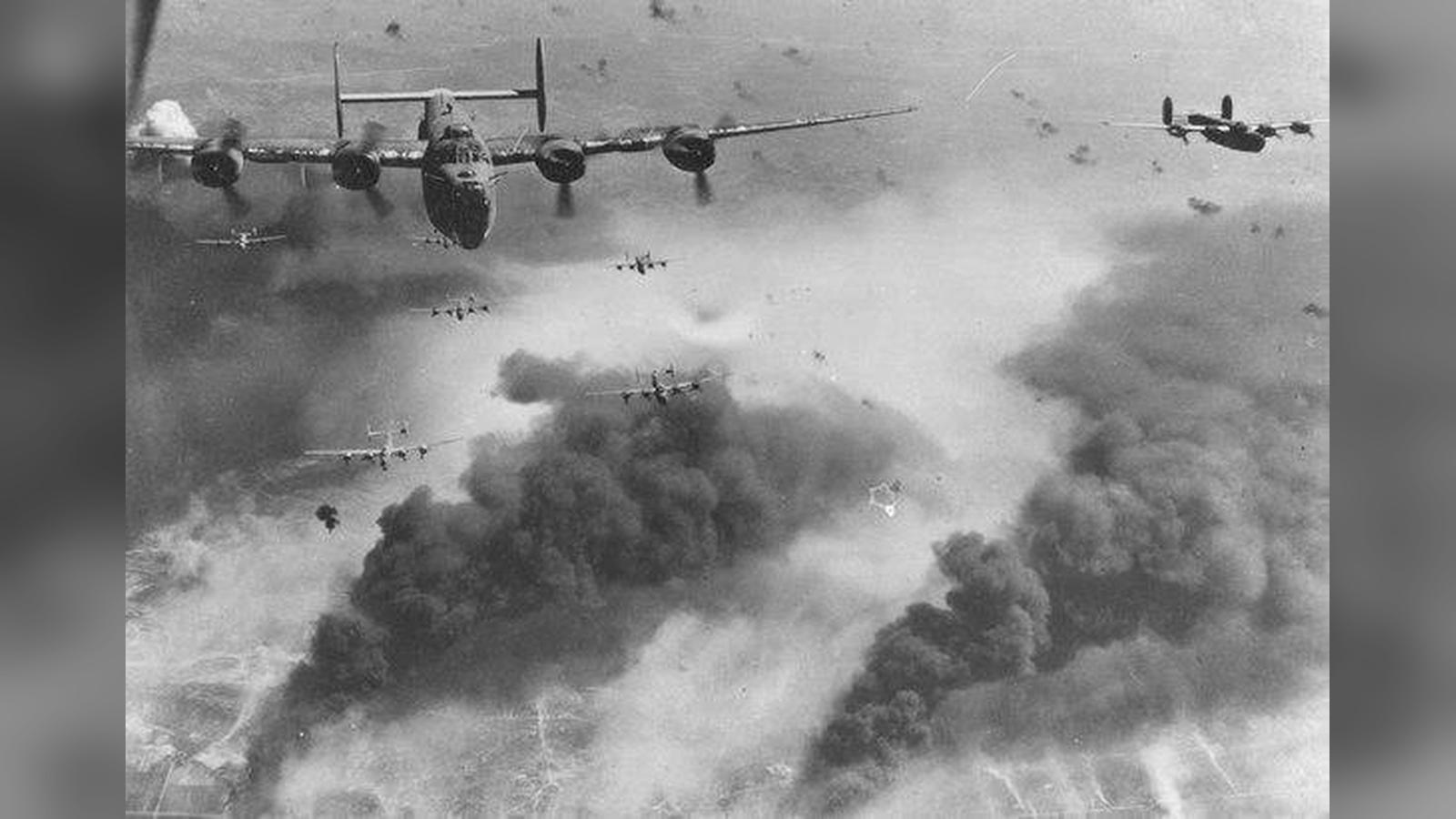
This evocative visual record preserves the tangible artifacts of a military legend that has captivated aviation historians for generations: the remnants of a purported comedic duel fought high above the battlefields of Europe. Although specific archival photographs capturing the exact seconds of the alleged Holland drop remain scarce in mainstream repositories, the enduring visual imagery associated with the tale—ranging from veteran portraits holding replica ordnance to museum exhibits of wooden mockups—serves as the definitive anchor for this remarkable World War II narrative. A close visual reading of the elements commonly tied to this story reveals extraordinary craftsmanship. The decoy structures, painstakingly built by German military carpenters, utilized ordinary lumber, canvas, and ropes to simulate hangars, fuel reservoirs, gun emplacements, and entire fleets of aircraft from the air. When viewed through the lens of wartime reconnaissance photography, these installations were designed to fool aerial observers into expending scarce high-explosive ordnance on empty fields.
Yet, the photograph and its associated artifacts do much more than document military engineering; they encapsulate a human dimension of conflict where technical deception met front-line irony. The visual contrast between lethal military machinery and crude, harmless timber creations highlights the surreal nature of aerial warfare. Whether looking at a period snapshot of a reconstructed decoy or a modern museum display of a purported wooden bomb, the viewer is invited to ponder the psychological interplay between opposing air forces whose members shared a distinct, hazardous trade high above the clouds.
The moment behind the image
The sequence of events leading up to the shutter moment of our understanding began deep in the occupied Netherlands, where German forces invested considerable time, labor, and materials into constructing a sprawling, flawless fake airfield. Every detail was accounted for: mock aircraft were lined up in neat rows, fake fuel tanks cast convincing shadows, and wooden hangars stood ready to welcome nonexistent squadrons. However, this meticulousness proved to be the project’s undoing. Because the construction process stretched across an extended period, Allied photo interpreters and reconnaissance pilots had ample opportunity to observe the daily progress without interference. Instead of instantly destroying the elaborate installation with a barrage of conventional high-explosive bombs, a lone Royal Air Force bomber allegedly crossed the English Channel, circled the silent wooden runways, and released a single, heavy wooden bomb inscribed with the phrase ‘Wood For Wood.’
The moments immediately preceding this drop were defined by cautious anticipation on both sides. On the ground, German personnel waiting in bunkers for the expected deluge of high explosives heard only a dull thud rather than a cataclysmic blast. When they cautiously emerged the following morning to inspect the damage, expecting time bombs or devastation, they discovered no craters, only solid wooden blocks resting quietly on the grass. The immediate aftermath was a mixture of silent realization and begrudging tactical amusement. Whether viewed as an act of psychological warfare designed to rattle enemy confidence or a lighthearted prank executed by exhausted twenty-year-old airmen, the stunt communicated a clear, unmistakable message: headquarters knew about the ruse, and the deception had failed.
Photographer and provenance
Tracing the provenance of this photographic and narrative legend requires navigating a complex web of wartime journalism, veteran memoirs, and meticulous historical investigation. The earliest known written trace of the wooden bomb anecdote appears in the published diary of prominent American journalist William L. Shirer. In his famous 1941 work, *Berlin Diary: The Journal of a Foreign Correspondent 1934-1941*, Shirer recorded an entry on November 27, 1940, detailing an informant’s account of British intelligence outwitting German decoy operations in Holland. Decades later, aviation author and historian Pierre-Antoine Courouble breathed new life into the narrative through extensive research, culminating in his documentary film *Wood For Wood* and his book *The Riddle Of The Wooden Bombs*.
Courouble’s investigation gathered approximately 303 testimonies from former soldiers, resistance fighters, and pilots. Among the most frequently cited accounts is that of retired Luftwaffe Lieutenant Colonel Werner Thiel, who recalled witnessing the aftermath of wooden bombs falling near Potsdam in October 1943. Thiel described finding solid wooden cylinders left behind on the airfield floor, noting the distinct inscription. Despite these compelling anecdotal threads, professional historians and archivists often point out the lack of hard documentary proof in official military logbooks or operational orders. Furthermore, skeptics note that some objects photographed and shared online as ‘wooden bombs’ may actually be misidentified equipment, such as Mark IV aircraft float lights manufactured by Triumph Explosives Inc. for marine rescue operations. This ongoing tension between rich oral history and strict archival verification defines the complex provenance of the image.
Historical context
To fully grasp the significance of the wooden bomb narrative, one must examine the broader historical landscape of military deception during the Second World War. Both the Axis and Allied powers relied heavily on tactical trickery to protect vital assets and preserve human life. The British famously deployed inflatable tanks along the English coast, established dummy army units, and utilized double agents to orchestrate elaborate deceptions that ultimately ensured the success of the D-Day landings. Concurrently, the Luftwaffe and German ground forces constructed numerous decoy airfields across occupied Europe to lure Allied bombers away from active fighter bases.
Within this climate of mutual camouflage, frontline pilots operated under relentless psychological strain. Young men barely out of their teens faced terrifying combat missions day after day, turning localized humor, pranks, and psychological games into vital coping mechanisms. Former fighter pilot and leader of the Patrouille de France, Colonel Pierre-Alain Antoine, observed that such actions were rarely ordered by high command; rather, they originated organically at the squadron or wing level. These unsanctioned acts of mockery served as a psychological release valves, bridging the vast chasm between the cold mechanics of total war and the enduring humanity of the combatants.
Why it still matters
The enduring fascination with the wooden bomb photograph and its associated legend lies in its profound reflection of human resilience amid mechanized destruction. Whether the event represents a verified morale-boosting stunt, an ingenious psychological operation, or an urban myth born from the misinterpretation of maritime rescue markers, it continues to capture the global imagination. It reminds contemporary audiences that history is shaped not only by grand strategic movements and casualty statistics, but also by the small, subversive moments of wit where individuals stared down the horrors of conflict and chose to laugh back.