


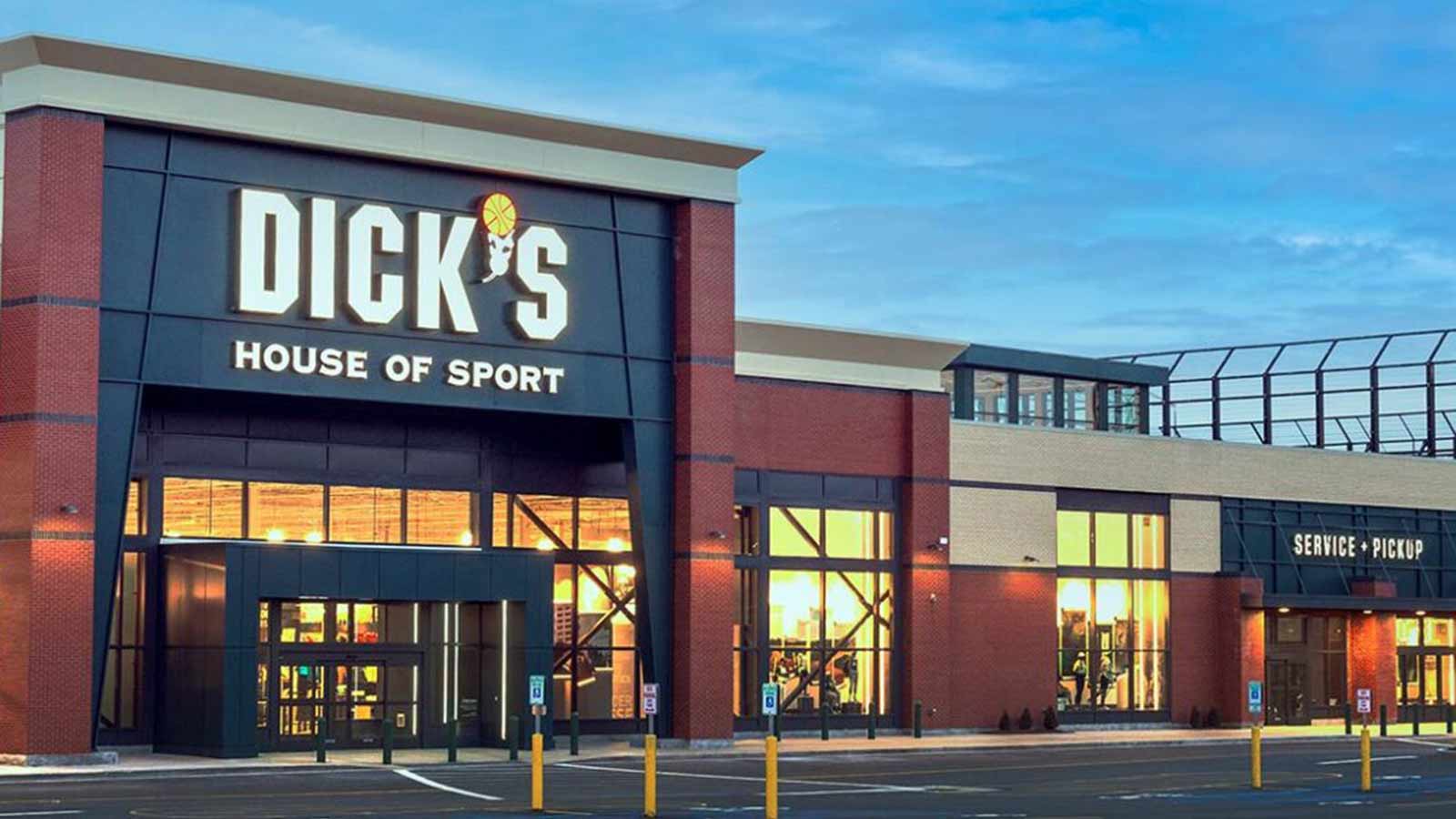
Dick’s Sporting Goods to Expand International Reach with $2.4 Billion Foot Locker Acquisition
In a significant move to strengthen its foothold in the sports retail market, Dick’s Sporting Goods announced plans to acquire Foot Locker for $2.4 billion. This acquisition marks a strategic step for Dick’s, the largest sports retail chain in the United States, as it seeks to expand its presence internationally and diversify its customer base.
Details of the Acquisition
The deal includes a $24-per-share offer, representing an 86% premium to Foot Locker’s last closing price. Foot Locker shareholders will have the option to receive either cash or shares of Dick’s stock. The acquisition is expected to close in the second half of 2025, pending regulatory and shareholder approval.
Foot Locker, which operates 2,400 stores across 20 countries, will provide Dick’s with its first international footprint. Despite its extensive global presence, Foot Locker has struggled in recent years due to declining mall traffic and increased competition from direct-to-consumer (DTC) strategies by major brands like Nike.
Strategic Rationale Behind the Deal
According to Dick’s Executive Chairman Ed Stack, the acquisition is an opportunity to combine the complementary strengths of both companies. “We believe there is meaningful opportunity for growth ahead,” said Stack. “Together, we will better serve the broad and evolving needs of global sports retail consumers.”
Foot Locker’s urban-focused customer base and its strong association with basketball and sneaker culture will complement Dick’s suburban, athlete-oriented clientele. This diversification is expected to enhance Dick’s ability to cater to a broader range of consumers.
Challenges and Skepticism
Despite the strategic potential, the acquisition has faced skepticism from investors and analysts. Dick’s stock fell by 14% following the announcement, reflecting concerns about Foot Locker’s declining sales and the challenges of integrating the two businesses.
Analysts have pointed out that Foot Locker’s reliance on mall-based locations and its strained relationship with Nike could pose significant hurdles. “The transaction is likely to produce low returns and presents clear risks to synergies and integration,” noted TD Cowen analyst John Kernan.
Future Plans for Foot Locker
Dick’s plans to operate Foot Locker as a standalone business unit within its portfolio, maintaining its existing brands such as Foot Locker Kids, WSS, Champs, and atmos. “The consumer may or may not know that Dick’s and Foot Locker are one,” said Dick’s CEO Lauren Hobart, emphasizing the importance of preserving the distinct identities of both brands.
Foot Locker CEO Mary Dillon expressed optimism about the merger, stating that it would position the company to expand sneaker culture, elevate the omnichannel experience, and enhance its industry standing. However, Dillon acknowledged that some underperforming stores might close as part of the integration process.
Implications for the Sports Retail Industry
The acquisition comes at a time when the sports retail industry is navigating challenges such as global trade uncertainties and changing consumer preferences. By combining their resources, Dick’s and Foot Locker aim to strengthen their competitive position, particularly in the wholesale sneaker market dominated by Nike.
“Dick’s Sporting Goods and Foot Locker are two of the most storied and respected brands in our industry,” said Nike CEO Elliott Hill. “Together, they will help elevate sport and accelerate the growth of our industry.”
While the acquisition of Foot Locker by Dick’s Sporting Goods represents a bold strategic move, it is not without risks. The success of the merger will depend on the companies’ ability to navigate integration challenges, address Foot Locker’s existing weaknesses, and capitalize on new growth opportunities. As the deal progresses, the sports retail industry will be watching closely to see how this partnership reshapes the competitive landscape.
Source: Reuters, NPR, Company Press Releases