


A Crisis of Trust and Capacity
In the eastern Democratic Republic of Congo, the ongoing Ebola outbreak has left families in a state of profound distress as medical infrastructure struggles to keep pace with the virus. As of mid-November 2026, the Africa Centers for Disease Control and Prevention reports that more than 11,000 individuals have been infected, with over 5,300 deaths recorded. The crisis is compounded by deep-seated skepticism within communities, where many residents remain wary of hospital care due to fears of poor outcomes or systemic failures.
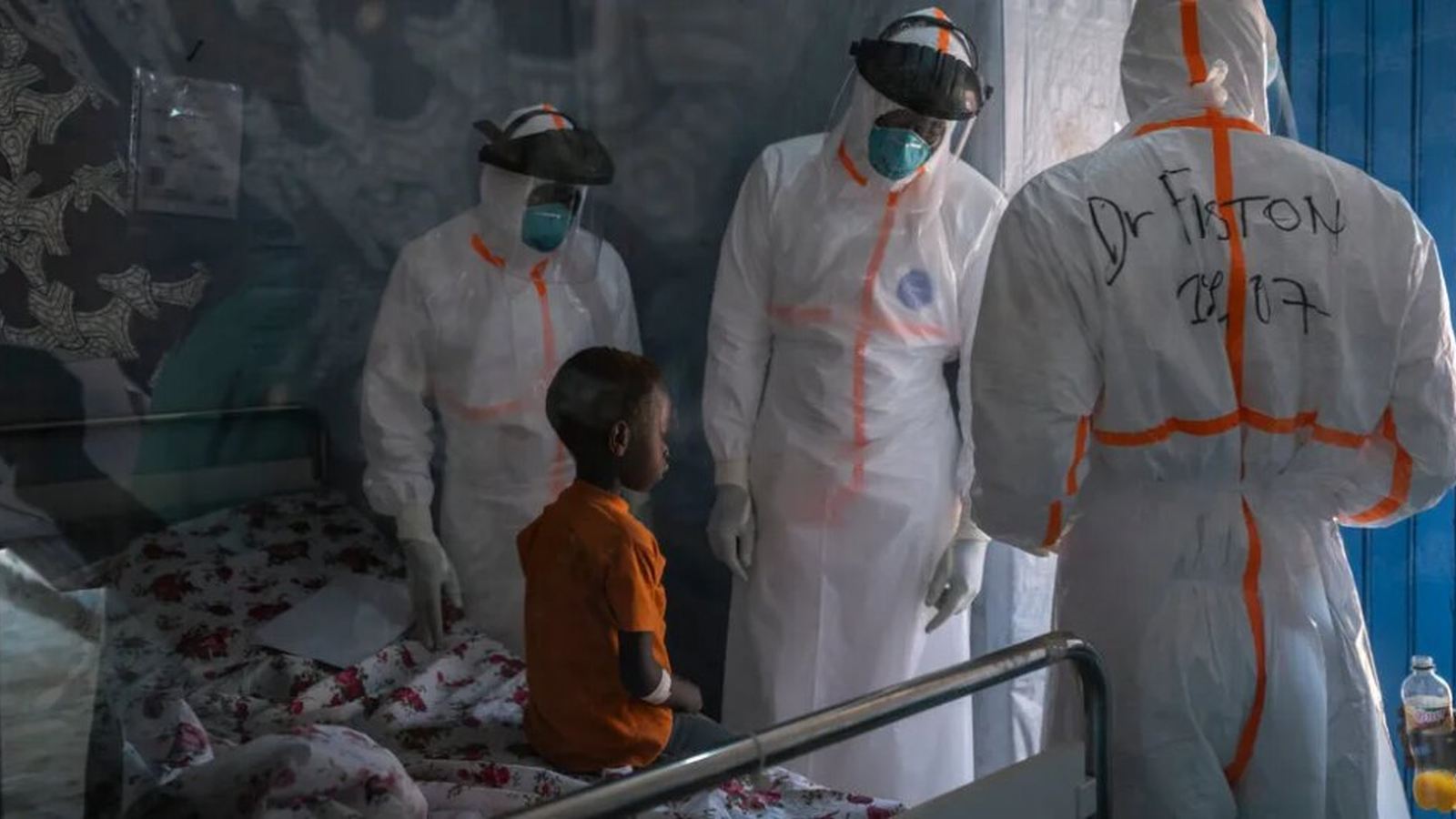
The case of Gorette Mbusi and her grandson, Dieumerci Koli, underscores the human cost of these systemic limitations. After losing her daughter to the virus, Ms. Mbusi initially refused to send her 17-year-old grandson to a specialized clinic in Nizi, fearing the same outcome. When he finally arrived at the facility, the unit lacked available beds, leaving the family to wait for an hour in the heat. Despite receiving medical attention, Koli died shortly after admission, joining a significant percentage of patients who succumb to the virus despite seeking late-stage hospital intervention.
Systemic Barriers to Containment
Public health experts emphasize that community transmission remains the primary obstacle to ending the outbreak. Many families continue to care for sick relatives at home, inadvertently spreading the infection. This behavior is often fueled by the lack of trust in government-run facilities and the reality that hospitals themselves face severe resource shortages. Reports indicate that at least 64 percent of Ebola-related deaths in late October occurred outside of medical settings.
The logistical challenges are equally daunting. Ambulances are often aging vehicles, and medical staff frequently operate with minimal protective equipment, heightening the risk of cross-contamination. Dr. Patient Wenga, lead doctor at the Nizi clinic, noted that staffing shortages during night shifts further limit the ability of hospitals to provide intensive care to critically ill patients.
Signs of Progress Amidst Heartbreak
Despite the high death toll, there are emerging signs of progress in local outreach efforts. In Nizi, community leaders and survivors are working to bridge the gap between medical professionals and residents. Public meetings, where survivors share their experiences, have begun to shift perceptions. Dr. Leon Malengala of the World Health Organization reported that, following initial resistance, more villagers are now proactively seeking medical help when symptoms appear. While the road to containment remains steep, these efforts to build trust are considered essential to reducing transmission and ultimately curbing the outbreak.