


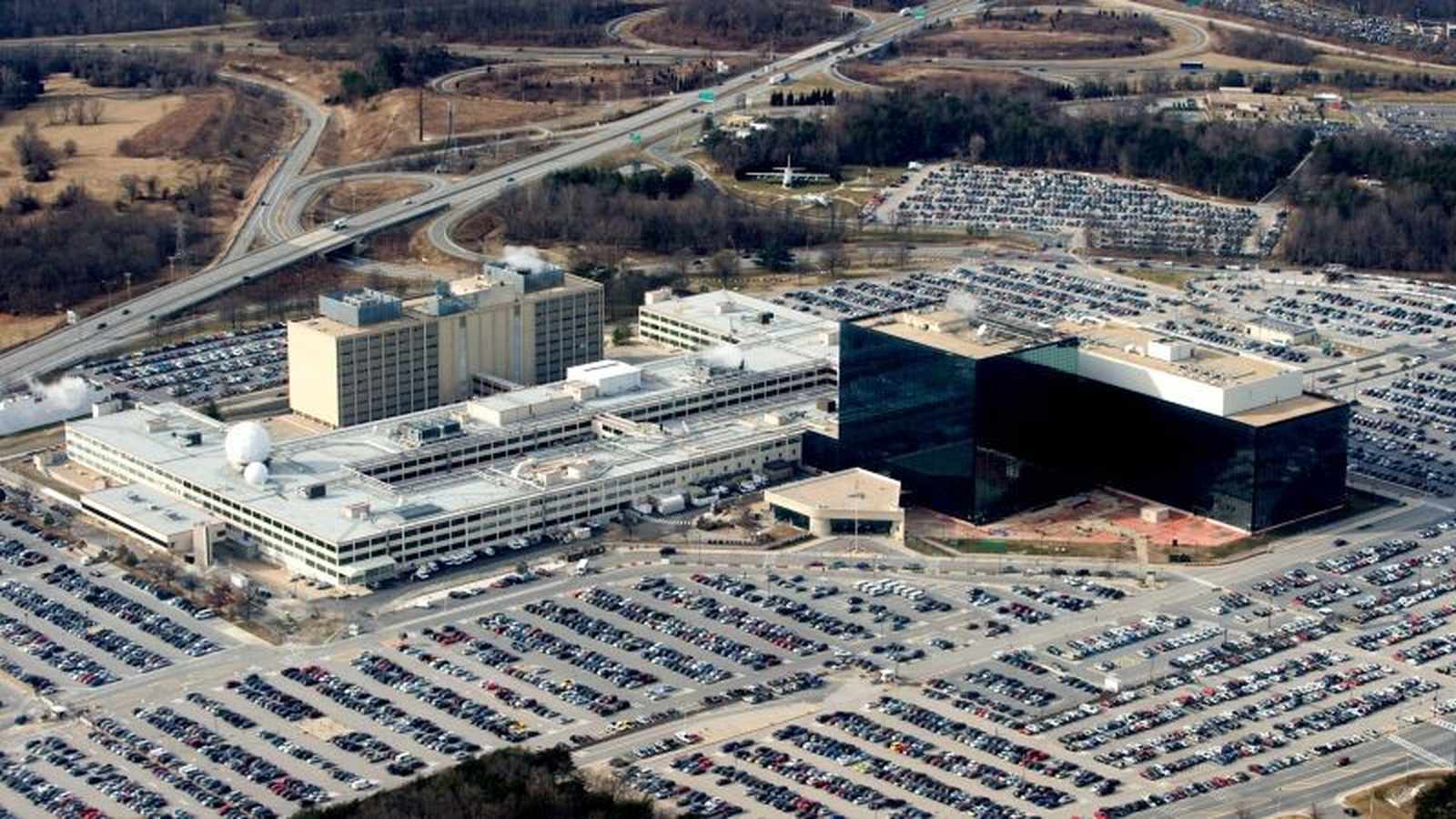
The National Security Agency (NSA) is currently grappling with a significant outage affecting its highly classified internal communications network, known as NSANet. The system, which is essential for employees to share sensitive intelligence data, went down on Tuesday, November 17, 2026, according to six individuals familiar with the situation as reported by CNN.
Technical failure identified over cyberattack
Officials have moved quickly to address concerns regarding the nature of the disruption. White House spokesperson Lauren Bis confirmed on Newsmax that there is no evidence suggesting the outage was the result of a cyberattack. The agency has implemented staggered arrival protocols for its personnel while technical teams work to diagnose the root cause of the failure.
Despite the critical nature of the network, the outage is not expected to compromise the security of the United States. Current and former officials indicated that the NSA maintains multiple redundant systems, ensuring that President Donald Trump remains in secure communication with intelligence leads while he travels in Asia for high-level meetings with international counterparts, including President Xi Jinping and President Vladimir Putin. Furthermore, the Five Eyes intelligence-sharing alliance, which includes the UK, New Zealand, Australia, and Canada, remains fully operational and unaffected by the internal network failure.
Broader context of infrastructure instability
This incident follows a string of recent high-profile technological disruptions across the United States, including major system failures at the Federal Aviation Administration that grounded flights and widespread outages affecting Microsoft services and banking platforms like Chase Bank. While these events are not linked, they highlight the increasing vulnerability of critical infrastructure to systemic technical glitches. The NSA previously experienced a similar three-day disruption in 2000, underscoring the complexities involved in maintaining such high-security digital environments.
The frequency of these major infrastructure failures, while currently attributed to technical glitches rather than malicious intervention, raises urgent questions about the resilience of core federal systems in an increasingly digitized geopolitical landscape.
Source: CNN