


Early Departure Triggering a Continental Race
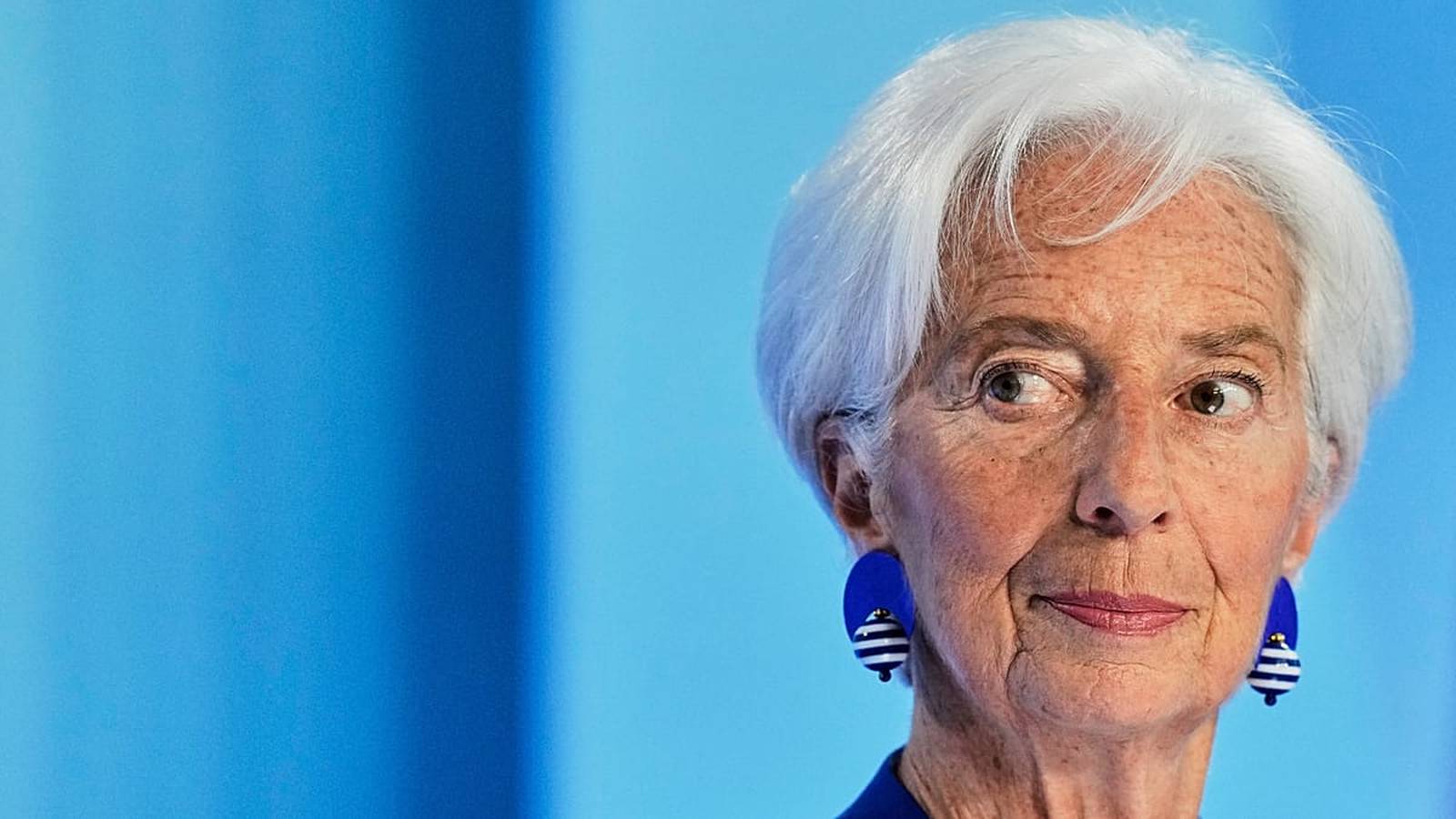
European Central Bank President Christine Lagarde will step down on February 7, 2027, roughly nine months before the scheduled conclusion of her eight-year term, Euronews reported on Thursday, October 29, 2026. The announcement was delivered to the ECB’s Governing Council and European Council President António Costa, arriving just hours before the central bank kept its key deposit rate unchanged at 2.5% amid ongoing bond market turmoil in France.
Lagarde informed internal colleagues that she is leaving ahead of schedule to secure greater freedom to express her views and engage in non-monetary matters. Sources familiar with the discussions told Euronews that the departing president emphasized her desire to speak out as a French national and global citizen without traditional institutional neutrality constraints. European leaders, including European Commission President Ursula von der Leyen and Eurogroup chief Kyriakos Pierrakakis, commended her tenure, which spanned the COVID-19 pandemic and the eurozone’s historic inflation shock following Russia’s invasion of Ukraine, as The Epoch Times reported.
Political Calculus and Election Timelines
Speculation regarding an early departure had circulated for months, driven largely by the European political calendar. Analysts and diplomatic sources noted that stepping down in early 2027 allows incumbent French President Emmanuel Macron and German Chancellor Friedrich Merz to oversee the selection process before France’s presidential election in April 2027. With the far-right National Rally polling strongly in France and Macron constitutionally barred from running for a third consecutive term, an earlier transition prevents a potential eurosceptic government in Paris from complicating the delicate succession negotiations among the 21 eurozone member states.
The appointment process will be conducted by the European Council through a qualified majority vote, acting on recommendations from EU finance ministers following consultations with the European Parliament and the ECB Governing Council. António Costa confirmed that the succession procedure would begin immediately to ensure a seamless leadership handover.
Contenders and Executive Board Realignment
The race to succeed Lagarde centers on prominent financial figures from across the bloc. Pablo Hernández de Cos, former Bank of Spain governor and current head of the Bank for International Settlements, was nominated by Madrid in July in Spain’s first-ever bid for the ECB presidency. His primary rival is Klaas Knot, who led the Dutch central bank until 2025 and is widely regarded as a consensus-builder with a strong inflation-hawk background. Bundesbank President Joachim Nagel has also been mentioned, though Germany has never held the central bank’s top post.
The presidential transition coincides with a broader overhaul of the ECB’s six-member Executive Board. Isabel Schnabel is stepping down on January 3, 2027, to join the International Monetary Fund, while Chief Economist Philip Lane’s term concludes on May 31, 2027. Consequently, half of the executive leadership will change hands within a five-month window, turning the appointments into a complex institutional package negotiated directly between national capitals.