


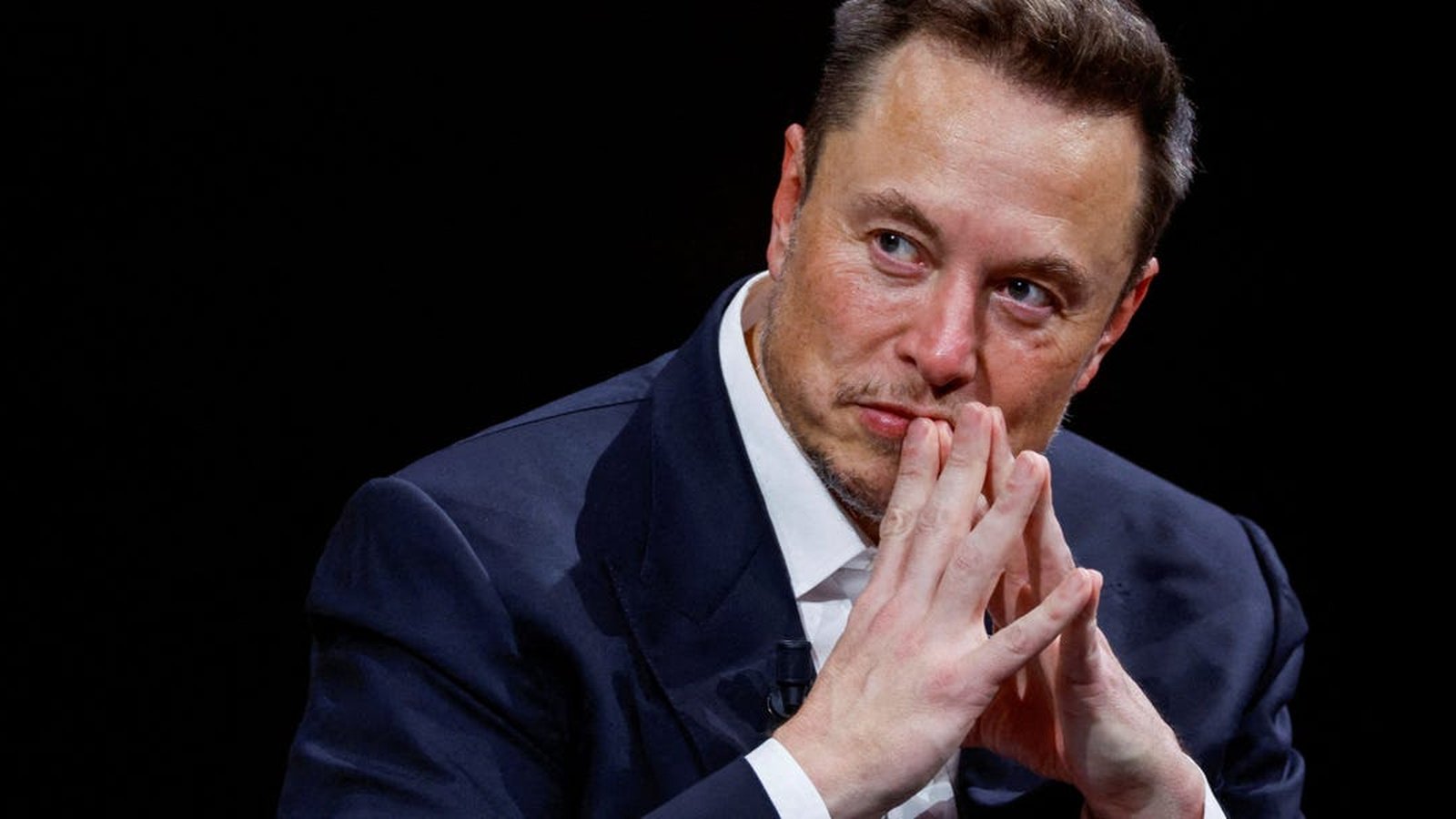
Elon Musk, the visionary CEO of Tesla, is once again capturing the world’s attention with bold claims about revolutionary transportation technology. During a conversation on the popular ‘Joe Rogan Experience’ podcast, Musk hinted at unveiling a flying car prototype that could potentially redefine the way we think about mobility. With promises of ‘crazy technology’ and an unforgettable product demonstration, Musk aims to deliver this groundbreaking innovation before the year’s end.
What Makes Musk’s Flying Car Concept Unique?
Flying cars have long been a symbol of futuristic dreams, often relegated to science fiction. Musk’s vision, however, seems rooted in tangible advancements. Unlike traditional vehicles, the Tesla flying car prototype may incorporate vertical take-off and landing (VTOL) capabilities, enabling it to bypass conventional road infrastructure altogether. Musk’s remarks suggest that this technology could be ‘crazier than anything James Bond,’ potentially blending elements of advanced aerodynamics and electric propulsion.
Challenges in Developing a Flying Car
While the idea of a flying car is exhilarating, the path to its realization is fraught with challenges. For one, air traffic control and regulatory compliance will play pivotal roles in determining the feasibility of widespread adoption. Flying vehicles require licensed pilots or autonomous capabilities, both of which pose logistical hurdles. Musk himself acknowledged the need to ‘make sure it works,’ emphasizing the rigorous testing needed to ensure safety and functionality.
How Tesla’s Flying Car Compares to Competitors
Musk’s ambitions are not without competition. Companies like Joby Aviation and Alef have already made strides in developing VTOL aircraft for urban mobility. Joby Aviation, for instance, is conducting test flights for air-taxi services, showcasing the viability of electric-powered flying vehicles. Musk’s edge, however, lies in Tesla’s reputation for pushing technological boundaries. If successful, Tesla’s flying car could set new standards for innovation in transportation.
Potential Impact on Transportation and Society
The implications of a functional flying car are profound. From reducing traffic congestion to enabling faster commutes, this technology could transform urban planning and mobility. Moreover, the environmental benefits of electric propulsion align with Tesla’s broader mission to promote sustainable energy solutions. However, societal acceptance and affordability will be critical factors in determining the success of this ambitious endeavor.
Looking Ahead: What to Expect
As Musk teases the unveiling of the flying car prototype, anticipation builds around what could be one of Tesla’s most memorable product launches. While skepticism remains regarding the timeline and practicality, Musk’s track record of delivering groundbreaking innovations offers hope. Whether the flying car becomes a reality or remains an aspirational concept, its development underscores Tesla’s commitment to pushing the boundaries of what’s possible.
Elon Musk’s flying car vision is more than just an ambitious project; it represents a bold step toward redefining transportation. As Tesla gears up for a potential unveiling, the world watches with anticipation, eager to witness whether this revolutionary idea will take flight.