


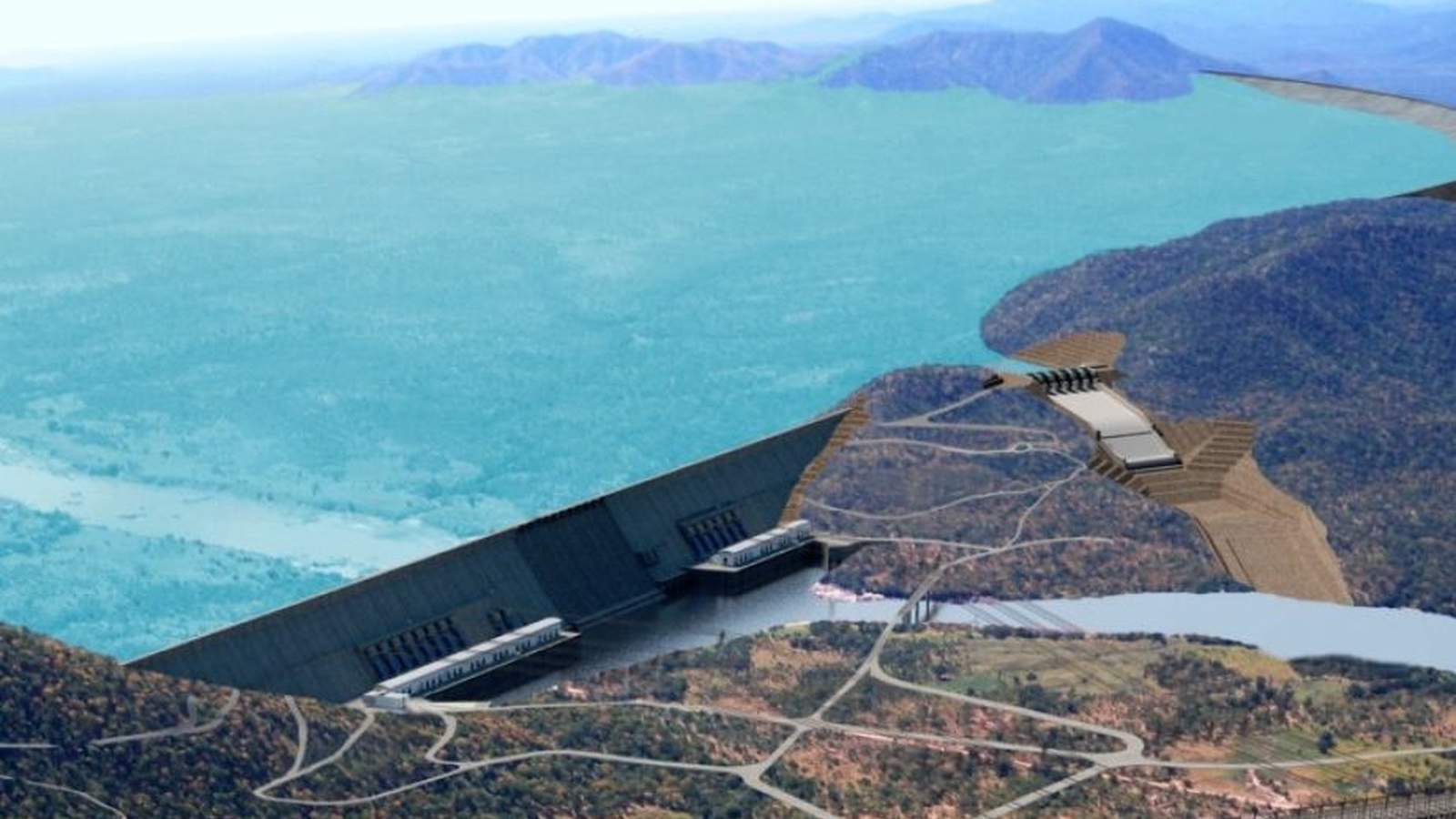
On September 9, 2025, Ethiopia officially inaugurated the Grand Ethiopian Renaissance Dam (GERD), Africa’s largest hydroelectric project, located on a tributary of the Nile River. The $5 billion megaproject, which began construction in 2011, represents a monumental achievement for Ethiopia’s economic development and energy ambitions. However, the dam has also become a source of deep contention with downstream countries, particularly Egypt, which relies heavily on the Nile for its water supply.
The Significance of GERD for Ethiopia
The GERD is a game-changer for Ethiopia, a nation where nearly half the population lacked access to electricity as recently as 2022. With a full capacity of 5,150 megawatts (MW), the dam aims to electrify millions of households and export surplus energy to neighboring countries, including Kenya and Djibouti. Prime Minister Abiy Ahmed, during the inauguration ceremony, hailed the project as a symbol of national pride and a unifying force for a country often divided by political and ethnic strife. “Ethiopia built the dam to prosper, to electrify the entire region, and to change the history of black people,” he declared, as reported by BBC News.
The reservoir created by the dam, Lake Nigat, spans an area larger than Greater London and is expected to provide reliable water for hydropower, irrigation, and flood control. The Ethiopian government has emphasized that the dam was financed almost entirely domestically, with 91% of the funding coming from the central bank and 9% through local bond sales and public contributions, according to Reuters.
Egypt’s Concerns Over Water Security
While Ethiopia celebrates the GERD as a landmark achievement, Egypt views it as a potential existential threat. Egypt relies on the Nile for approximately 90% of its fresh water, and officials in Cairo have expressed fears that the dam could restrict water flows during droughts. The Egyptian Foreign Ministry recently stated that the inauguration of the dam violates international law, citing colonial-era water treaties that grant Egypt significant rights over Nile waters. According to PropNewsTime, Egypt has consistently called for legally binding agreements on the dam’s operation to ensure its water security.
Sudan, another downstream neighbor, has taken a more nuanced stance. While it shares Egypt’s concerns about water management, it also sees potential benefits in the form of improved flood control and access to low-cost electricity.
Regional and International Implications
The GERD has significant geopolitical implications for the region. $1 Donald Trump attempted to mediate negotiations during his first term, warning that the situation could escalate dangerously. However, no agreement was reached, and tensions between Ethiopia and Egypt have worsened over the past year. Analysts warn that Ethiopia’s broader strategic ambitions, such as securing access to the sea through Eritrea or Somalia, could further exacerbate the already strained relations.
Despite these tensions, Ethiopia has maintained that the dam is not intended to harm downstream countries. The government began filling the reservoir in 2020 in phases, asserting that it would not significantly disrupt Nile flows. Studies conducted over the past five years have supported this claim, showing no major interruptions, aided by favorable rainfall and careful management, according to Azernews.
The Human Stories Behind the GERD
Beyond its geopolitical and economic dimensions, the GERD project has deeply impacted the lives of those who worked on it. Moges Yeshiwas, an Ethiopian mechanical engineer who joined the project in 2012, described the challenges of working in extreme conditions, including temperatures reaching 45°C and long shifts lasting from 7 a.m. to 7 p.m. “I came seeking employment, but somewhere along the way, it stopped feeling like just a job,” Moges told BBC News. “Watching the dam’s progress day by day was deeply satisfying.”
For millions of Ethiopians, the dam is more than just an infrastructure project; it is a symbol of hope and self-reliance. Citizens from all walks of life contributed to its construction through donations and the purchase of government-issued bonds, highlighting the collective effort behind this monumental achievement.
As Ethiopia celebrates the inauguration of GERD, the project stands as a testament to the country’s ambitions and resilience. However, the unresolved tensions with Egypt and Sudan underscore the complexities of regional water politics, ensuring that the Nile will remain a focal point of diplomacy for years to come.