


A controversial public appearance
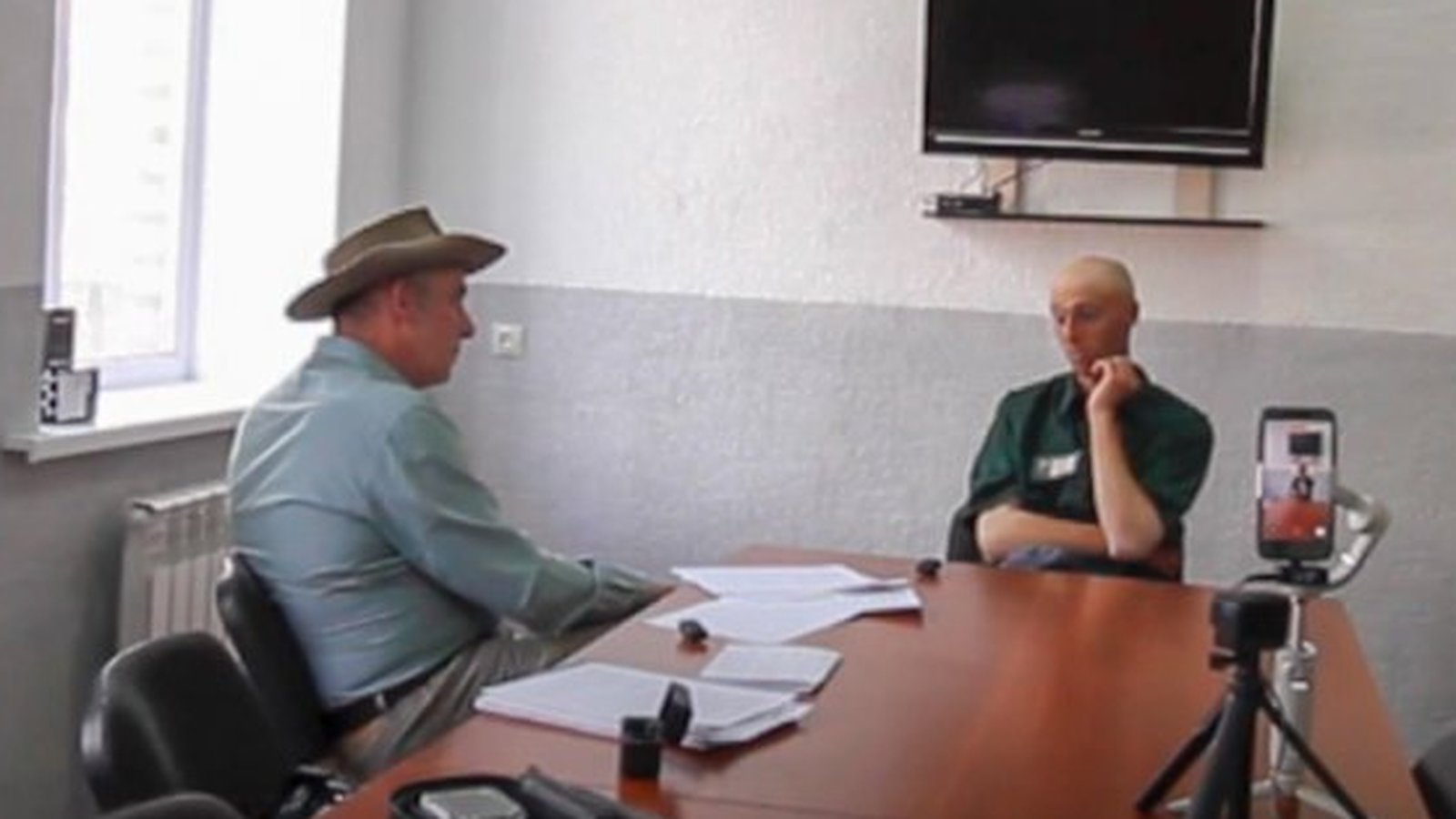
Oscar Jenkins, a former Australian teacher and cricket coach from Melbourne, has appeared in a rare interview from a Russian maximum-security prison, marking his first public comments since being sentenced to 13 years for acting as a mercenary in the ongoing conflict in Ukraine. The interview, conducted by Australian expatriate Mark Lowe—who manages a website known for its sympathetic coverage of the Putin regime—was released on August 30, 2026.
During the two-day recorded session, Jenkins, who was captured in December 2024, described his experiences on the front lines and made an unexpected overture to his captors: he stated he has formally requested to join the Russian military. Jenkins, who had no prior military training, claimed he joined the Ukrainian side following the 2022 invasion because he felt a moral obligation to resist territorial aggression.
The conditions of the interview
The circumstances surrounding the interview have drawn intense scrutiny. While Mark Lowe claims there was no coercion involved, the Australian Broadcasting Corporation (ABC), which initially reported on the footage, noted it could not independently verify the conditions of the filming. Critics and observers have pointed to the inherent power imbalance of a maximum-security prison environment, suggesting that statements made by inmates under such circumstances must be weighed against the possibility of duress.
Jenkins detailed his capture, recounting how he spent four days in a trench with injuries to his arm and leg, caused by a drone-dropped grenade, before being apprehended by Russian soldiers. His narrative of his time in Ukraine included descriptions of working with a multinational unit of volunteers under a British commander, a detail that aligns with his conviction for mercenary activities.
Diplomatic impasse
The Australian government has maintained a firm stance regarding Jenkins’s detention. Foreign Minister Penny Wong has labeled the trial a “sham” and repeatedly called for Jenkins to be afforded the protections due to a prisoner of war under international humanitarian law. Prime Minister Anthony Albanese has previously described the Russian administration as a “reprehensible regime” and pledged to continue diplomatic representations on Jenkins’s behalf.
Despite these efforts, the path to his release remains fraught with complexity. When questioned on the possibility of a prisoner swap, Assistant Minister for Foreign Affairs Matt Thistletwaite declined to provide specifics, emphasizing instead that the government is working through official channels to ensure the safety and eventual return of Australian citizens in distress. The interview suggests that Moscow may be utilizing the case for propaganda purposes, further complicating the delicate diplomatic negotiations required to secure Jenkins’s freedom.