


A New Diplomatic Offensive
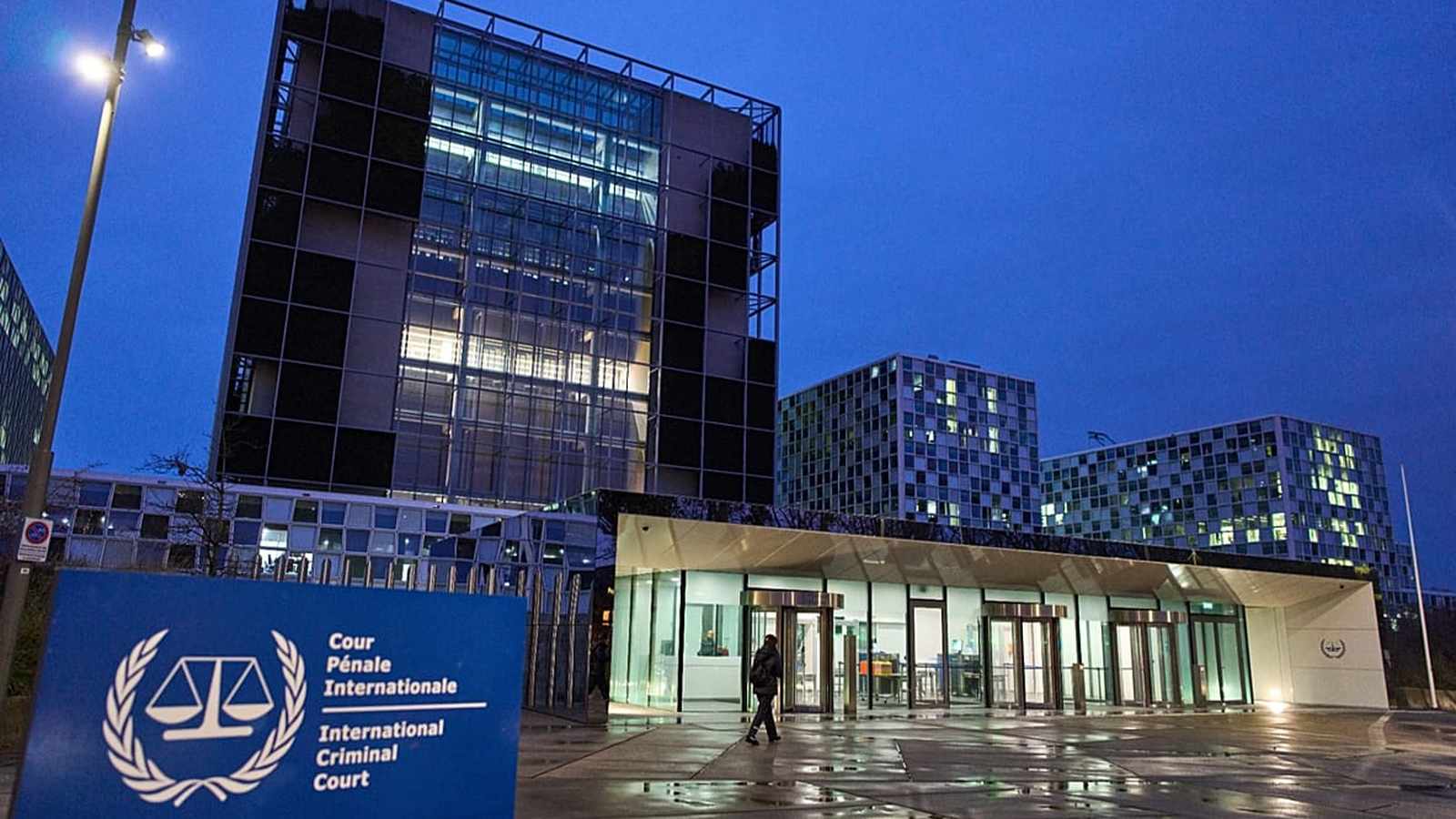
US Secretary of State Marco Rubio has launched a comprehensive campaign to “dismantle” the International Criminal Court (ICC), marking a significant escalation in the Trump administration’s efforts to isolate the Hague-based tribunal. In an op-ed for the Wall Street Journal and a video statement released on X, Rubio characterized the court as an “intolerable threat to US sovereignty.”
The State Department confirmed that the campaign would employ a “whole of government” approach, pressuring nations to withdraw from the court and cease financial support. According to a State Department official, Washington will subject countries that refuse to reject the ICC’s authority—while continuing to rely on US assistance—to increased scrutiny, which may include sanctions, travel bans, and visa revocations.
Stakes and Legal Friction
The US government argues that the ICC claims the authority to prosecute American officials and servicemen, a jurisdiction the US has never recognized. “Americans never signed up for this,” the State Department stated. However, legal experts have challenged this framing. Kenneth Roth, former executive director of Human Rights Watch, noted that the ICC only possesses jurisdiction over crimes committed on the territory of states party to the Rome Statute, and has never targeted US soil.
The EU has responded with firm opposition. “Attacks or threats against the court-elected officials, personnel or those cooperating with the court, are simply not acceptable,” stated EU spokesperson Anouar El Anouni, reaffirming the bloc’s commitment to international criminal justice.
Potential Global Impact
The campaign follows a period of heightened tensions, including the ICC’s recent investigations into Israel’s conduct in Palestine. Observers suggest the move may be a pre-emptive effort to shield US interests from future ICC inquiries in regions like Venezuela. Should the administration impose broad sanctions on the tribunal, it would effectively criminalize cooperation with the court, potentially exposing American companies and banks to severe financial penalties.