


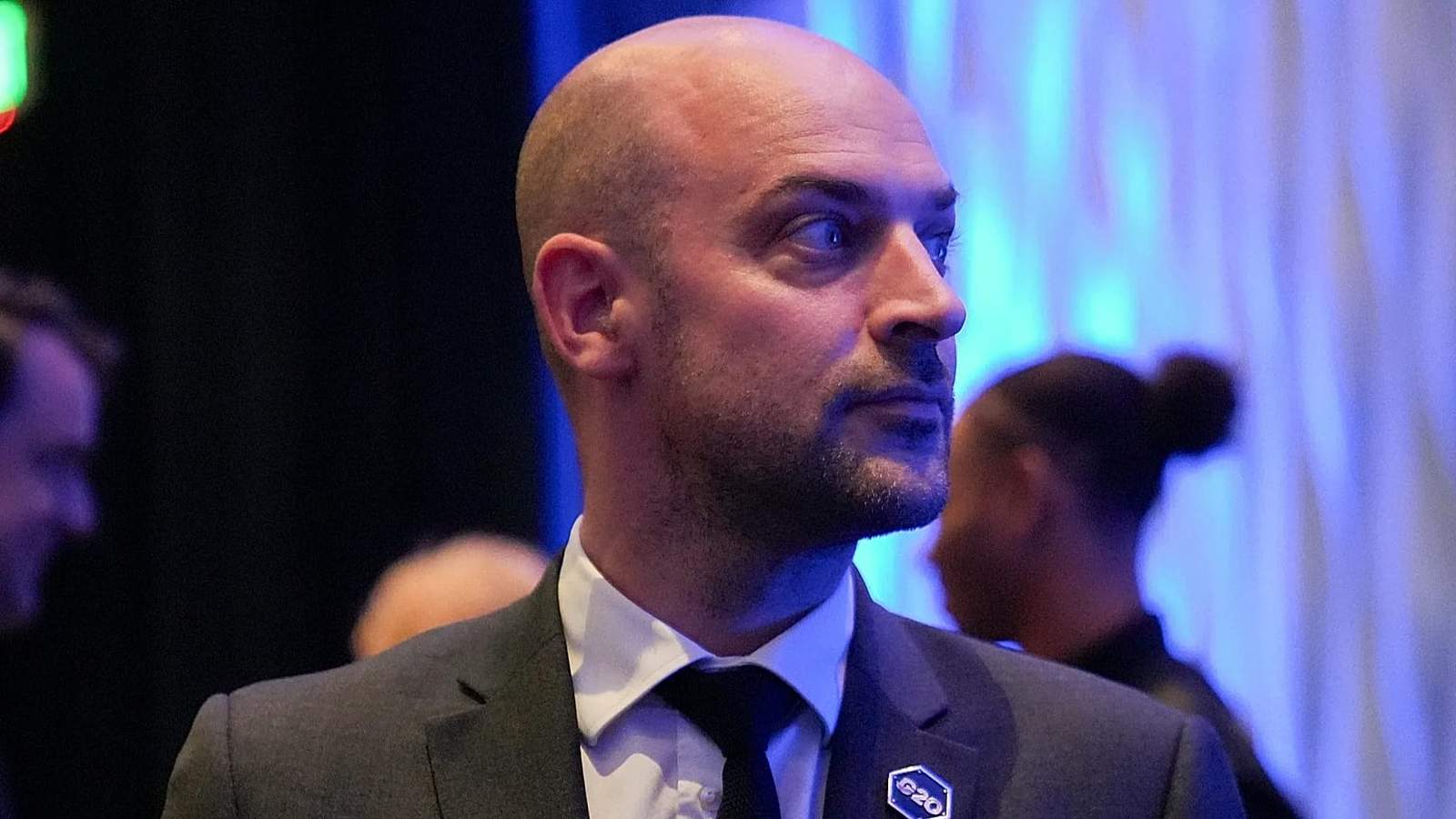
PARIS (Azat TV) – European representatives, including France, will participate in upcoming Russia-Ukraine negotiations scheduled to open on Tuesday in Abu Dhabi, French Foreign Minister Jean-Noël Barrot announced on Sunday.
The announcement shifts the diplomatic framework of the discussions, which had previously been organized as trilateral talks between the United States, Ukraine, and Russia under US mediation. US envoy Steve Witkoff previously stated that Washington would bring Ukrainian and Russian delegations together on November 10–11 to discuss ending Moscow’s war against Ukraine, post-war security arrangements, and de-escalation.
Shifting Diplomatic Format and European Stakes
Speaking in an interview with French radio station RTL and Public Sénat, reported by Euronews, Barrot emphasized that European powers intend to protect continental security interests during the diplomatic process.
“No one will speak in our name,” Barrot said, adding that European countries had made themselves heard by American mediators in recent weeks. He stressed that no agreement with consequences for European security architecture could be designed or discussed without direct European participation. While confirming that France will be represented at the negotiating table, Barrot noted that he would not personally attend and that specific French delegates have not yet been named.
US-Led Framework and Continental Concerns
The inclusion of European diplomats addresses prior concerns raised by Ukrainian President Volodymyr Zelenskyy regarding the exclusion of Kyiv’s European allies from the planned trilateral format. The diplomatic pivot follows remarks by US President Donald Trump, who predicted the imminent conclusion of a major agreement with Russia following a meeting with Russian envoy Kirill Dmitriev. Trump stated that the arrangement could cover all of Europe, prompting sharp assertions from Paris that European security demands cannot be bypassed.
Domestic Political Repercussions in France
In the same interview, Barrot addressed domestic political reactions surrounding the 2027 French presidential campaign, launching sharp criticism at hard-left candidate Jean-Luc Mélenchon. Barrot labeled Mélenchon a “mouthpiece of the Kremlin” following remarks at a rally in Le Bourget where Mélenchon advocated for a referendum on the status of the Donbass region.
Barrot argued that proposals involving territorial concessions without direct popular consent from the communities concerned undermine international law and European security standards. The war in Ukraine has emerged as a central point of contention in France’s political landscape, contrasting Marine Le Pen’s far-right proposals to end French financial aid with the broader government stance supporting military cooperation with Kyiv.