


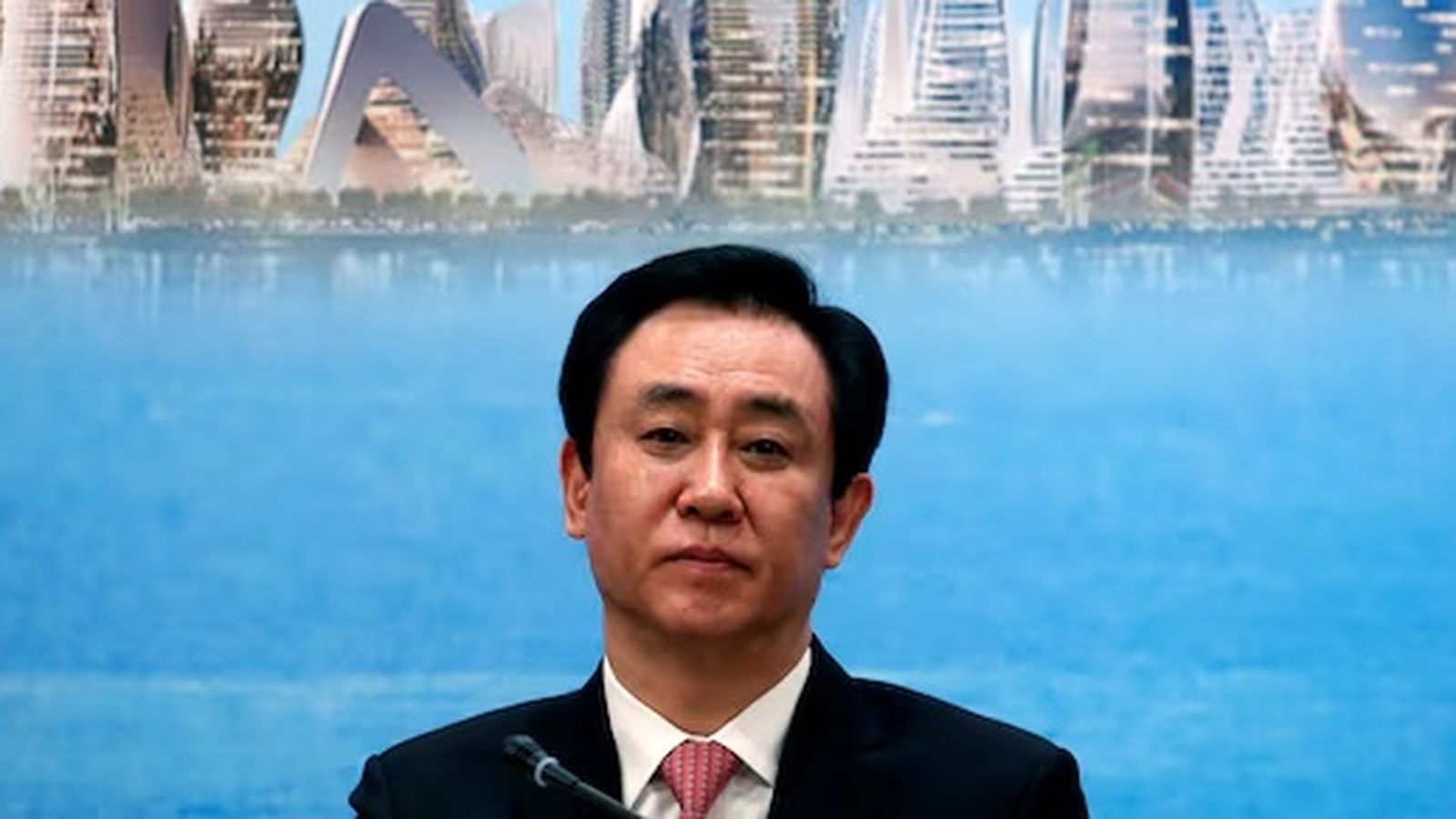
A Chinese court in Shenzhen has sentenced Hui Ka Yan, the founder and former chairman of collapsed real estate giant Evergrande Group, to life imprisonment following his conviction on widespread financial fraud, embezzlement, and corporate bribery charges. The Shenzhen Intermediate People’s Court also ordered the complete confiscation of Hui’s personal assets and levied 15.82 billion yuan ($2.35 billion) in collective fines against his former corporate entities.
According to court findings published on August 20, 2026, Hui—who pleaded guilty during trial proceedings in April—orchestrated systemic financial manipulation that obscured the company’s true debt obligations and destabilized China’s broader property sector. The ruling resolves the primary criminal liabilities surrounding the central figure in China’s prolonged real estate crisis, which began unfolding when Evergrande defaulted on its global obligations in 2021 with more than $300 billion in total liabilities.
Landmark Legal Ruling in Shenzhen
The Shenzhen Intermediate People’s Court confirmed that China Evergrande Group was fined 8.82 billion yuan ($1.31 billion), while its main domestic operating arm, Evergrande Real Estate Group, received a separate fine of 7 billion yuan ($1.04 billion). The tribunal found the entities guilty of falsifying corporate records, concealing liabilities, illegally absorbing public funds, and fraudulently issuing financial instruments to sustain operations.
The court stated that Hui and his leadership team “seriously disrupted” the national real estate market, inflicting massive financial losses on individual homebuyers, retail investors, state-owned institutions, and private lenders. Hui, once Asia’s wealthiest individual with a personal fortune tied to Evergrande’s peak market valuation of more than $50 billion, has seen all remaining personal assets seized under the verdict.
Systematic Financial Fraud and Misallocated Funds
Investigation records presented in court detailed how Evergrande aggressively falsified financial performance data prior to its default. Authorities in Hong Kong and mainland China established that the company prematurely recognized revenue from unfinished real estate projects, inflating reported sales figures by roughly $80 billion across 2019 and 2020.
Court documents also highlighted the direct harm inflicted on individual homebuyers. The developer systematically collected millions of dollars in pre-sale deposits intended for residential construction projects but illegally channeled those funds into acquiring new land parcels and servicing existing debt obligations. This practice left hundreds of residential developments across Chinese cities unfinished, triggering widespread homebuyer boycotts and domestic instability.
Sentences Handed to Executive Leadership
In addition to Hui’s life sentence, the Shenzhen court handed down prison sentences ranging from 22 months to 18 years to several senior Evergrande executives. Among those sentenced were Hui’s sons, Xu Zhijian and Xu Tenghe, who held executive positions within the corporate group and were convicted of participating in asset diversion, illegal deposit-taking, and fraud.
The criminal penalties follow a series of regulatory sanctions imposed earlier. In March 2024, Chinese securities regulators fined Hui $6.5 million and imposed a lifetime ban from the nation’s capital markets. Evergrande’s equity value plummeted by 99% during its liquidity collapse, culminating in its official delisting from the Hong Kong Stock Exchange in August 2025 after more than 15 years of public trading.
Debt Crisis That Reshaped China’s Economy
Evergrande’s rapid rise began after its founding in 1996, propelled by aggressive leverage and rapid land accumulation during China’s urbanization boom. At its peak, the firm was the cornerstone of a real estate sector that generated nearly one-third of China’s gross domestic product and provided a vital source of revenue for municipal governments through land sales.
The group’s business model collapsed after Beijing implemented its strict “three red lines” regulatory framework in 2020 to curb excessive corporate borrowing across the real estate sector. Deprived of easy credit, Evergrande engaged in aggressive discount sales before defaulting in 2021, triggering a sector-wide liquidity freeze that engulfed rival developers and continues to restrain economic growth in the world’s second-largest economy.