


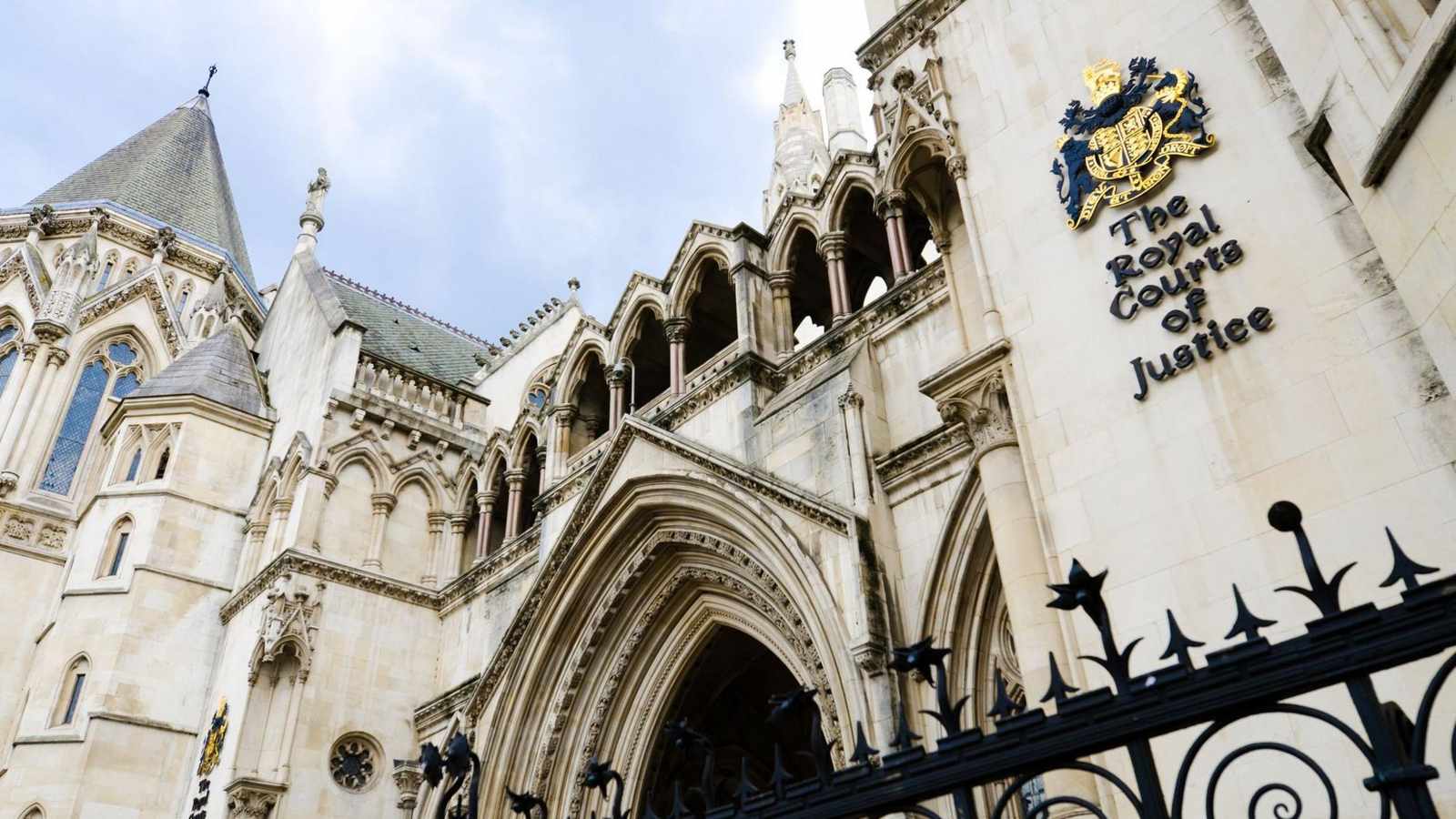
Five former Barclays traders sentenced during the fallout of the 2008 financial crisis have had their convictions overturned by the Court of Appeal, concluding a long-running legal battle over benchmark interest rate manipulation. According to BBC, the ruling affects Jay Merchant, Jonathan Mathew, Philippe Moryoussef, Alex Pabon, and Colin Bermingham, who were originally convicted of conspiracy to defraud for attempting to influence Libor and Euribor rates.
The successful appeals follow a precedent set last year when two other former City traders successfully cleared their names. Lord Justice Edis stated that the full reasons for Wednesday’s overturned convictions would be released later in the day. The Serious Fraud Office (SFO), which brought the original prosecutions, did not oppose the appeals.
The 2008 Financial Crisis and Libor Scandal Background
The prosecutions formed part of a major international crackdown following the 2008 financial crisis, which triggered worldwide recessions and massive taxpayer-funded bailouts of the banking sector. The Libor scandal itself erupted in 2012 after investigations revealed that banks had misrepresented their borrowing positions during the crisis to boost profits and mask underlying financial difficulties.
Between 2015 and 2019, 19 City traders were convicted across nine criminal trials held in London and New York. Prosecutors at the time cast the defendants as symbols of unchecked banker greed amid intense public backlash. Out of the five appellants on Wednesday, Merchant, Mathew, Pabon, and Bermingham served various jail terms, while Moryoussef was sentenced in his absence in 2018 after France refused his extradition.
Legal Precedents and Remaining Appeals
The legal turning point for the group came last year when former UBS trader Tom Hayes won a Supreme Court battle to overturn his conviction, alongside fellow trader Carlo Palombo. Hayes and Palombo successfully argued that their prosecutions targeted practices treated as normal commercial operations at the time, prosecuted largely to appease public anger.
Following Wednesday’s ruling, only two individuals retain convictions tied to the interest rate rigging investigations: former Deutsche Bank trader Christian Bittar, who pleaded guilty in 2018, and former Barclays whistleblower Peter Johnson. Bittar is scheduled to challenge his conviction on 9 October, while Johnson is also pursuing avenues to appeal.
Personal Toll and Accountability Claims
Following the court’s decision, Jonathan Mathew, 45, spoke of the decade-long personal burden carried by the defendants. He described the ruling as validation that an injustice had occurred, noting the importance of correcting the record for his children. Alex Pabon praised Tom Hayes for refusing to drop his legal fight, which ultimately paved the way for others.
Meanwhile, 55-year-old Jay Merchant stated he looked forward to moving on while emphasizing the need for accountability regarding those responsible for the original prosecutions. Barclays has been contacted for comment regarding the latest developments in the long-running legal saga.