


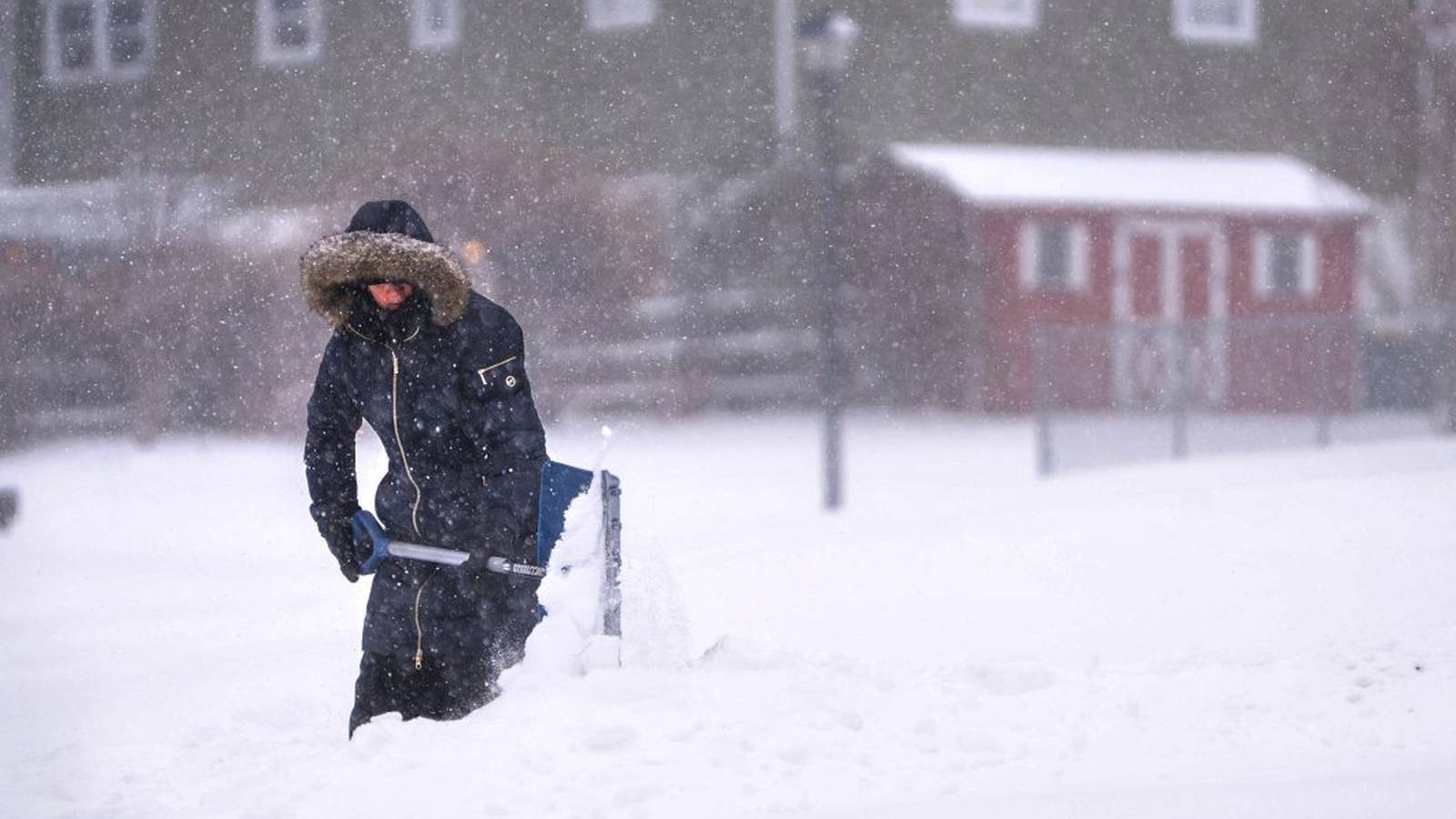
A Season of ‘Snow, Sleet and Surprises’
As the autumnal equinox approaches, the Farmers’ Almanac has released its 2026–2027 winter weather outlook, forecasting a season characterized by “snow, sleet and surprises” across the United States. The publication, which relies on proprietary formulas involving solar science, climatology, and lunar patterns, anticipates a particularly stormy pattern for the southern U.S., including the Gulf Coast and the Southeast.
According to the outlook, residents in these regions should prepare for a wetter-than-average winter. While the prospect of snow often captures public attention, local experts emphasize that the primary concern for the Deep South—including cities like Birmingham, Tuscaloosa, and Montgomery—remains the potential for freezing rain and ice storms, which can cause significant disruptions to infrastructure and power grids even when snowfall totals remain low.
This report draws on information published by krqe.com and tuscaloosanews.com.
The Accuracy Gap: Science vs. Tradition
The annual release of long-range almanac forecasts consistently triggers debate regarding their scientific validity. While the Farmers’ Almanac and the Old Farmer’s Almanac both claim approximately 80% accuracy, professional meteorologists remain skeptical. Research into the historical performance of these forecasts suggests a significantly lower success rate, often closer to 50%.
Jon Gottschalck, Operational Prediction Branch Chief at NOAA’s Climate Prediction Center, notes that reliable long-range forecasting is inherently limited by the nature of atmospheric chaos. The National Weather Service (NWS) does not release its official winter outlook until mid-October, as earlier projections are considered highly unreliable. Furthermore, official government models focus on probability-based trends rather than specific weather events, as predicting individual storms weeks or months in advance is currently impossible.
The Role of El Niño
Both the almanacs and official meteorological agencies are currently monitoring the development of a potential “super” El Niño pattern. With odds of this pattern reaching peak intensity now estimated at over 90% between October and December, the phenomenon is expected to be a primary driver of the upcoming winter’s climate. In a typical El Niño year, the northern U.S. often experiences warmer, drier conditions, while the southern tier frequently faces increased precipitation. However, the exact geographic boundaries of these impacts are highly variable and remain a key point of uncertainty for forecasters.