


Record Tropical Pacific Warming Shapes Winter Outlook
Tropical Pacific sea surface temperatures have surged past the record-warm peak of the 2015-2016 El Niño, establishing what meteorologists describe as a historic Super El Niño event. According to reporting by Gizmodo, temperatures are continuing to climb toward a projected December peak, with readings expected to reach roughly 7.2 degrees Fahrenheit (4 degrees Celsius) above average. The National Oceanic and Atmospheric Administration’s (NOAA) Climate Prediction Center reported that during the October-December period, there was a 75 percent chance of a historic event exceeding the magnitude of previous cycles dating back to 1950, alongside a greater than 90 percent chance of a very strong event overall.
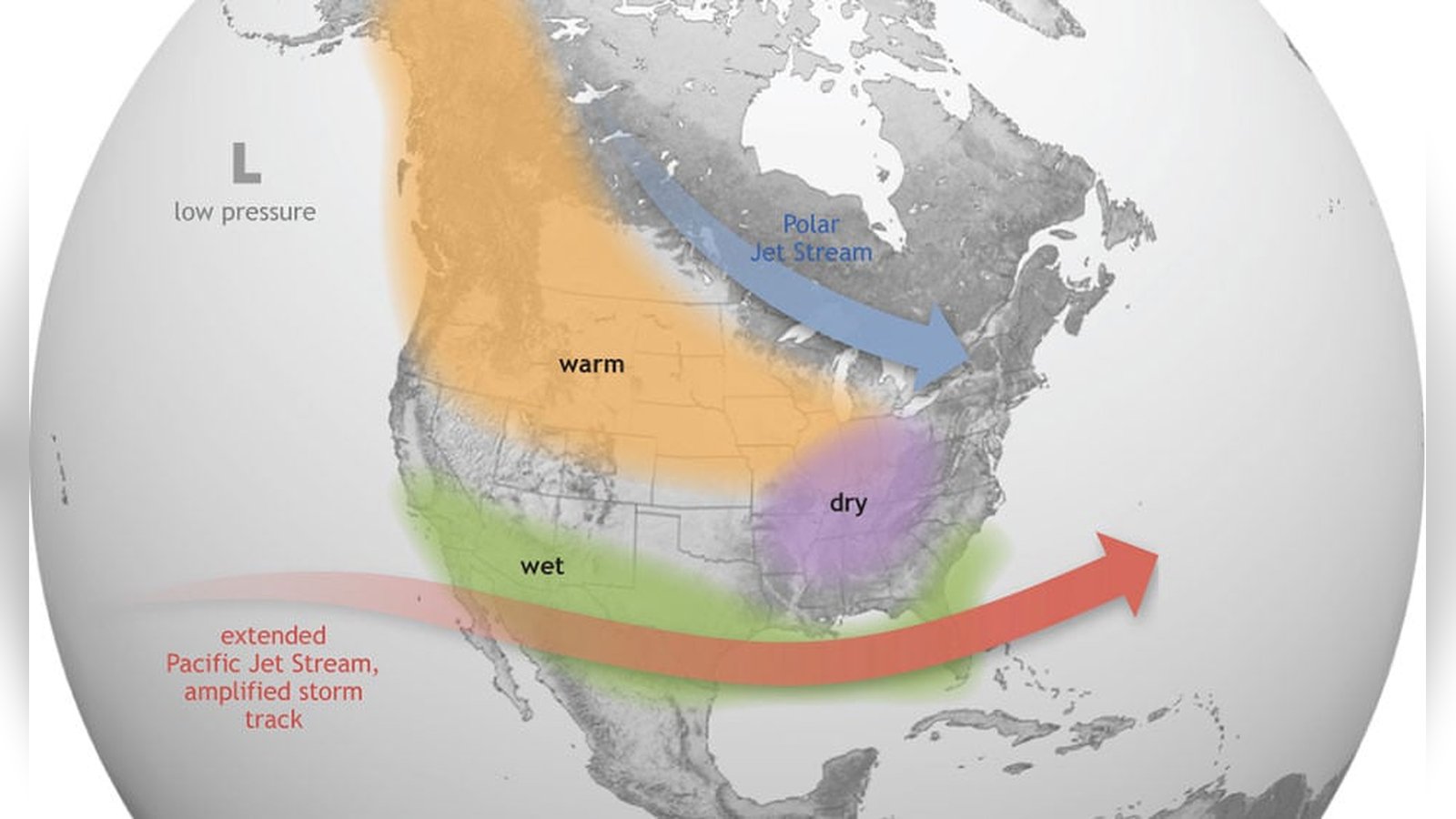
El Niño represents the warm phase of the El Niño-Southern Oscillation (ENSO), shifting trade winds and pumping immense heat and moisture into the atmosphere. While historical analogs like the 1997-1998 winter point to warmer and drier conditions across the northern U.S. and cooler, wetter weather in the South, experts emphasize that specific outcomes are never guaranteed. Erik Smith, a technical lead for climate data analytics at the Electric Power Research Institute (EPRI), noted that strong events increase the likelihood of certain weather patterns rather than magnifying individual storms.
Infrastructure Vulnerabilities and Energy Demand Impacts
The convergence of extreme weather and regional energy use creates complex challenges for the U.S. power grid. Because El Niño tends to foster milder conditions across the northern tier, heating fuel demand there may decline. Conversely, cooler and wetter forecasts in the southern tier could drive up electricity consumption as residents rely more heavily on electric heating systems. Michael Craig, an associate professor of energy systems at the University of Michigan, told Gizmodo that lower overall heating demand in northern regions could alleviate winter stress on the system and offer relief to energy-burdened households.
However, physical power infrastructure faces direct threats in regions exposed to shifted storm tracks. High winds can uproot utility poles and snap transmission cables, heavy rains can cause flooding that corrodes substations, and ice storms in the South can trigger widespread line failures. In California and the West Coast, rain-triggered mudslides present distinct hazards capable of destroying transmission towers and severing underground lines. Utilities are utilizing historical analogs and seasonal forecasts to anticipate demand fluctuations, ensuring adequate natural gas and heating fuel storage for generators ahead of peak winter months.
Polar Vortex Interactions and Forecasting Caveats
Adding another layer to the seasonal outlook, this Super El Niño could interact with the stratospheric polar vortex during the second half of winter. AccuWeather meteorologist Chad Merrill told Newsweek that while the polar vortex typically serves as a minor piece of the forecasting puzzle compared to Pacific climate patterns, a mid-winter weakening between January and February could briefly swing the pendulum toward colder-than-average temperatures in the northern U.S. Nevertheless, experts caution that the polar vortex rarely dictates the dominant long-term weather pattern during strong El Niño cycles, leaving the overall intensity of winter impacts dependent on both localized grid readiness and atmospheric variability.