


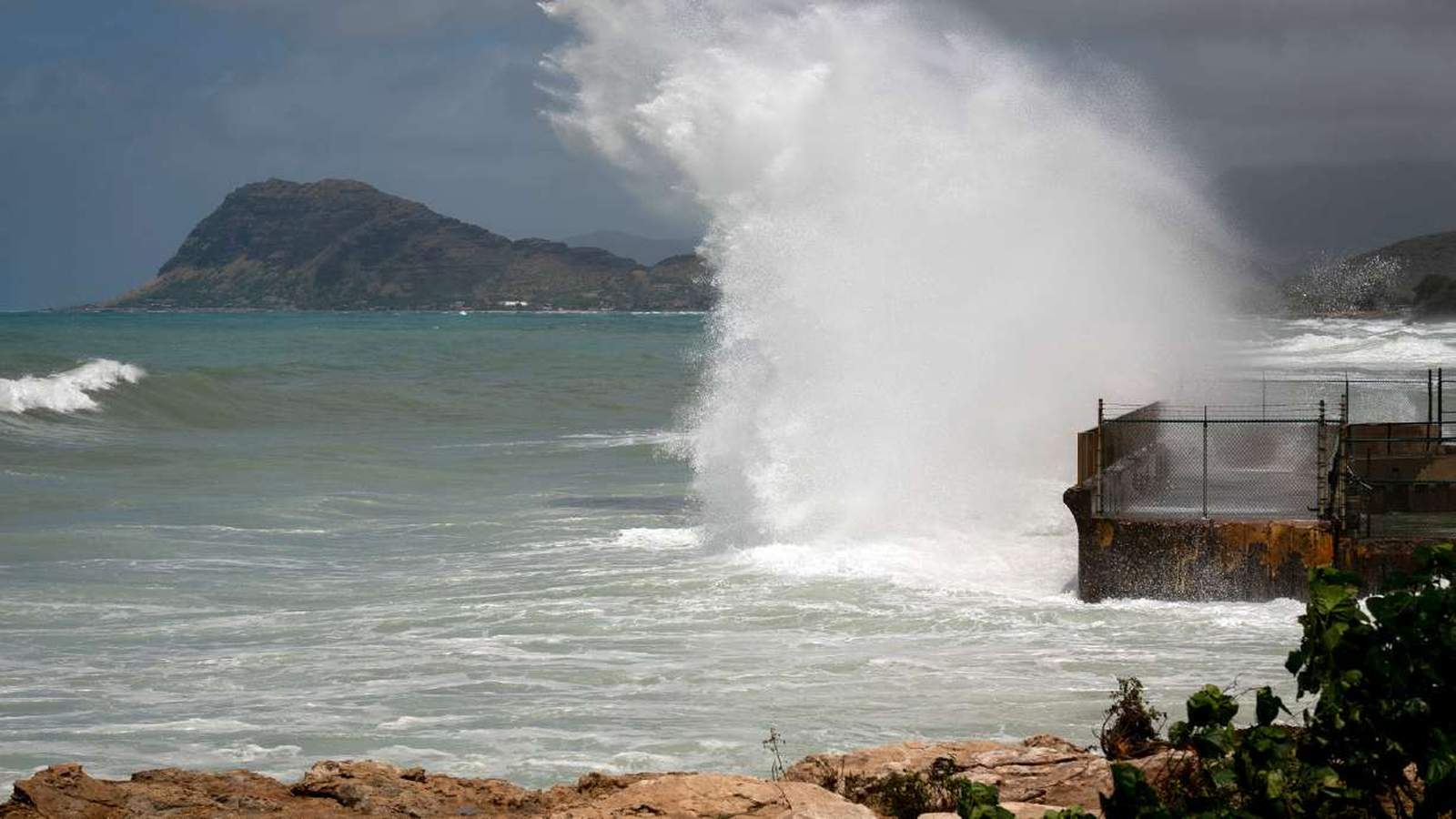
A Period of Uncharted Climatic Intensity
The National Weather Service has issued a stark warning that the current El Niño phenomenon is continuing to strengthen, with a greater than 90% probability of reaching “very strong” status this winter. According to federal projections, there is a 75% chance that this event will exceed the intensity of any recorded El Niño since 1950, placing the planet in what United Nations Secretary-General António Guterres described as “uncharted waters.” The World Meteorological Organization expects the atmospheric and oceanic impacts of this historic event to persist well into 2027.
While the term “super” El Niño often signals volatility, meteorologists at the Columbia Climate School suggest that the very strength of the current event offers a rare advantage: predictability. Because the signal is so pronounced, regional authorities and resource managers have a clearer window to implement mitigation strategies for flood, drought, and wildfire risks before the peak of the winter season.
Regional Impacts Across the United States
The U.S. Geological Survey (USGS) has outlined distinct regional risks based on historical data and current model ensembles. In the North Central U.S.—including Montana, Wyoming, and the Dakotas—NOAA analysis indicates a high probability of record-warm winter temperatures. Historical data suggests that during strong El Niño events, temperatures in North Dakota have trended 3–5°F above average. For resource managers, this presents a dual challenge: potential reduction in snowpack and the risk of earlier-than-normal snowmelt, which can disrupt spring runoff and soil moisture levels.
Conversely, the Southern Rockies and parts of the Great Plains, including Colorado, Nebraska, and Kansas, face a different set of variables. Models indicate an increased likelihood of wetter-than-normal conditions as the jet stream shifts southward. While increased precipitation can replenish water supplies, it also elevates the risk of flooding, erosion, and “rain-on-snow” events that can overwhelm local drainage infrastructure.
In the Southwest, the relationship between El Niño and precipitation remains complex. While the shift in the jet stream often directs mid-latitude storms toward the region, atmospheric rivers—the narrow bands of intense moisture responsible for much of the region’s winter rainfall—do not always correlate directly with El Niño intensity. Furthermore, hurricane activity in the Eastern Pacific is expected to remain elevated, potentially increasing the risk of autumn storm surges and heavy precipitation in coastal southern California.
Lessons from History and Future Preparedness
The last time the world experienced a “super” event of this magnitude, in 1982–1983, it caused global disruptions including severe droughts, floods, and wildfires, leading to an estimated 2,000 deaths and over $13 billion in damages. In Salt Lake City, the 1983 event resulted in the transformation of State Street into a river, causing roughly $300 million in damages. Current leadership is urging municipalities to avoid complacency, noting that while no two El Niño events are identical, the infrastructure vulnerabilities revealed in previous decades remain relevant.
Beyond the immediate weather impacts, the World Resources Institute warns that the current event is being amplified by a warmer global baseline, with the last 11 years marking the hottest on record. As the system continues to evolve, managers are advised to monitor soil moisture and reservoir levels closely, rather than relying on deterministic seasonal forecasts, as the interplay between global climate trends and localized storm tracks remains the primary source of uncertainty.