


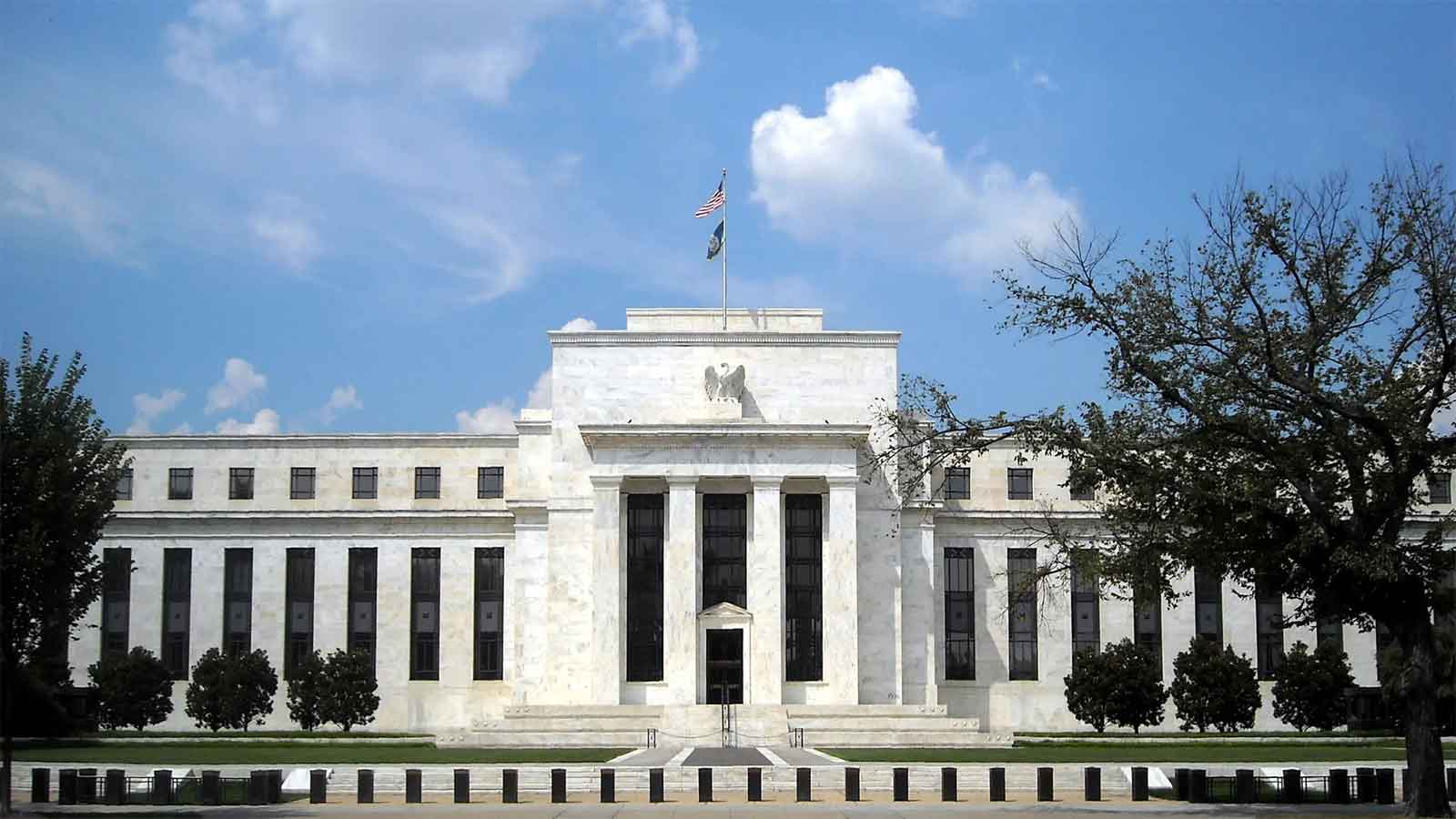
U.S. stocks experienced significant volatility on Wednesday following a Federal Reserve decision to maintain interest rates, complicated by an unexpected trio of dissenting votes and mounting geopolitical instability. The Dow Jones Industrial Average dropped 875 points, or 1.7%, while the S&P 500 and Nasdaq Composite declined by 0.8% and 0.6%, respectively.
While the Federal Reserve opted to keep rates unchanged, the decision was not unanimous. Three regional Fed presidents—Cleveland’s Beth Hammack, Minneapolis’s Neel Kashkari, and Dallas’s Lorie Logan—voted in favor of a rate hike. This “hawkish” dissent, combined with Fed Chair Kevin Warsh’s warning that the committee would “not hesitate to act” if necessary, has shifted market expectations. According to the CME FedWatch Tool, futures markets now price in a 63% probability of a quarter-point rate increase at the September meeting.
The market downturn was compounded by a sharp escalation in Middle East tensions. West Texas Intermediate (WTI) crude oil futures surged over 7%, trading above $90 per barrel, after U.S. Central Command confirmed an attempted ballistic missile attack by Islamic Revolutionary Guard Corps forces on U.S. bases in the region. President Donald Trump indicated a robust response, further fueling investor uncertainty.
Sector-specific performance remained mixed. Semiconductor stocks, represented by the iShares Semiconductor ETF (SOXX), fell nearly 3% amid ongoing concerns regarding AI-related capital expenditure and competitive pressures from China. Individual decliners included Micron Technology, which dropped 6%, and KLA, which fell 8%. Conversely, Ford Motor shares rose 4% following a positive earnings report and updated 2026 guidance, while major tech names like Apple and Microsoft saw modest gains ahead of their scheduled earnings releases.