


A Constitutional Standoff
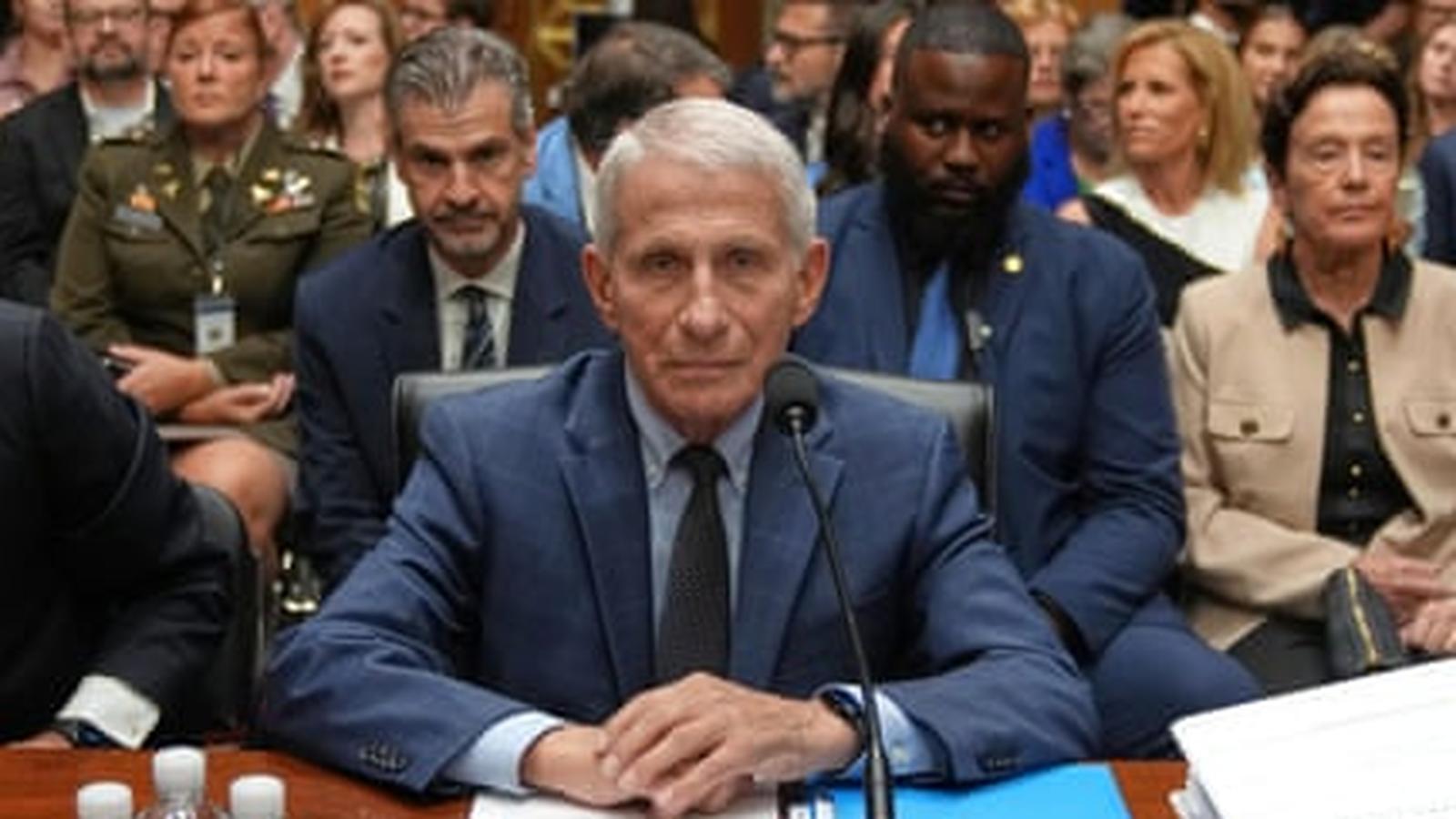
Former National Institute of Allergy and Infectious Diseases (NIAID) director Anthony Fauci appeared before the Senate Homeland Security and Governmental Affairs Committee on Wednesday in a high-stakes hearing that concluded with a clear path toward a contempt of Congress vote. Over the course of a three-hour session, Dr. Fauci invoked his Fifth Amendment right against self-incrimination more than 100 times, refusing to answer questions regarding the origins of the COVID-19 pandemic and his previous tenure.
The hearing, chaired by Senator Rand Paul, reached a chaotic crescendo when one of Fauci’s attorneys, David Schertler, was forcibly removed from the proceedings. Senator Paul had insisted on the removal after Schertler repeatedly attempted to interject while his client remained silent. The session was marked by sharp partisan divides, with Republican committee members aggressively questioning Fauci on his past actions and private diary entries, while Democratic senators defended his record as a public health official.
The Contempt Vote
Following the conclusion of the testimony, Senator Paul announced that the committee would hold a formal vote next week to determine whether to hold Dr. Fauci in contempt of Congress. The maneuver follows a failed attempt by Republican Senator James Comer to argue that Fauci was ineligible to invoke the Fifth Amendment due to a preemptive pardon granted by former President Joe Biden. The committee rejected Comer’s legal interpretation, leaving the Fifth Amendment invocation as the central pillar of Fauci’s defense throughout the afternoon.
The hearing also saw the introduction of private diary entries belonging to Fauci, which were released by the committee in an effort to challenge his public narrative regarding the pandemic’s early stages. These documents, combined with the repeated refusal to testify, have intensified the legislative push to penalize the former official for what Republican leaders characterize as a lack of accountability.
Legislative Implications
The move toward a contempt vote signifies a deepening friction between the legislative branch and former executive-level officials. While the hearing was ostensibly focused on the origins of the virus, the procedural focus on constitutional protections suggests a wider political battle over the scope of congressional oversight. Senator Paul’s closing remarks emphasized this sentiment, as he questioned whether the millions of deaths during the pandemic were the result of experiments Fauci oversaw or approved during his time at NIAID.
As the Senate prepares for next week’s vote, the legal teams involved are bracing for a prolonged battle over the limits of executive privilege and the protections afforded to public servants under the Constitution. The outcome of the upcoming vote will likely set a significant precedent for how future committees handle witnesses who utilize constitutional protections to avoid answering questions during oversight investigations.