


A New Landscape for Federal Borrowers
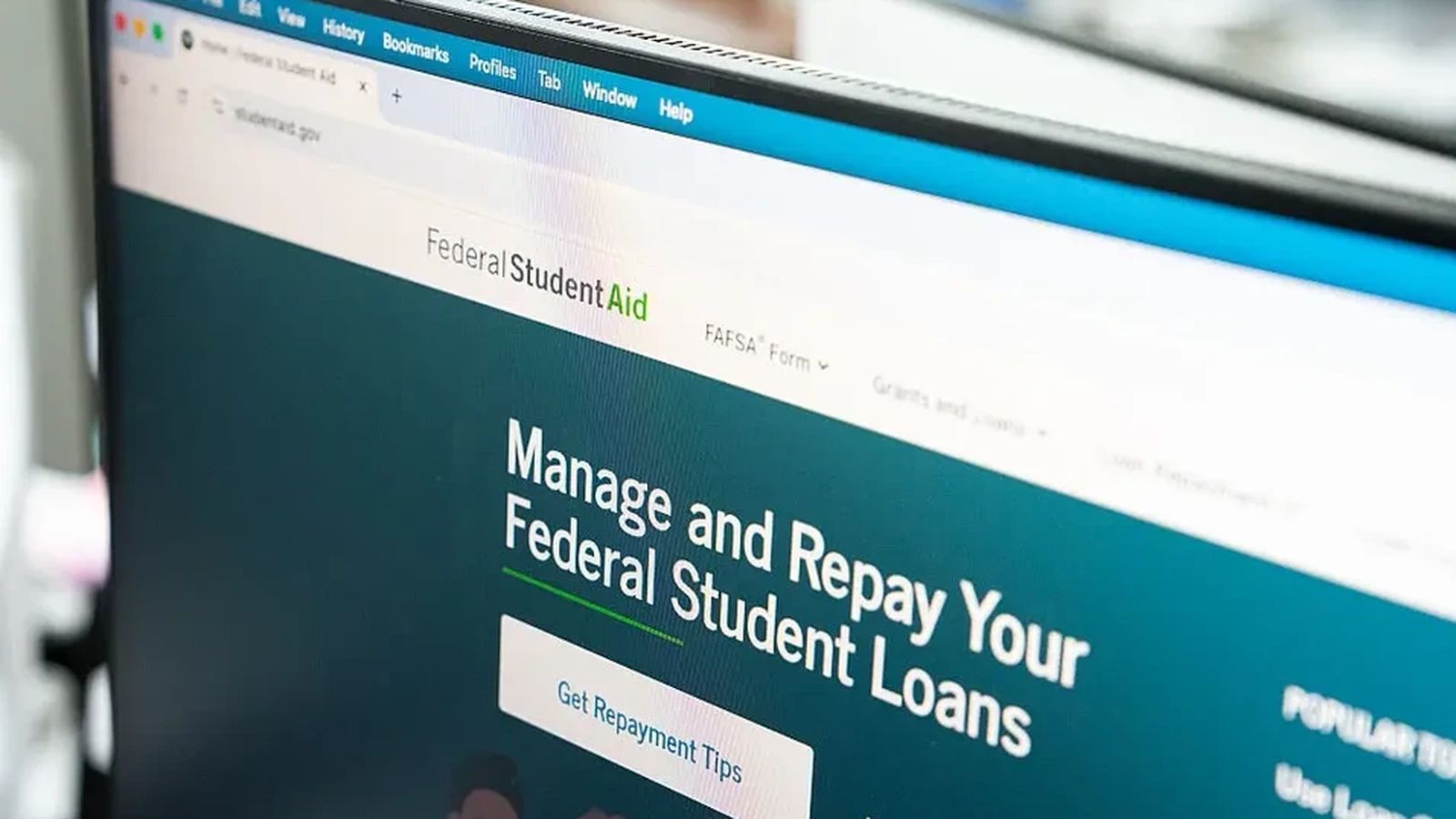
Beginning July 1, 2026, the U.S. Department of Education will implement a comprehensive overhaul of federal student loan repayment systems. The most significant shift is the formal conclusion of the SAVE repayment plan, requiring millions of borrowers to transition to new frameworks. Loan servicers are scheduled to begin notifying more than 7.5 million affected borrowers, who will have a minimum of 90 days to select a new repayment strategy.
New Repayment Options
The Department of Education is introducing two primary alternatives: the Repayment Assistance Plan (RAP) and the Tiered Standard repayment plan. RAP is an income-driven option where monthly payments are scaled between 1% and 10% of discretionary income, featuring a $50 monthly reduction for each dependent. It also includes an unpaid interest waiver and a principal matching benefit. Conversely, the Tiered Standard plan offers fixed terms ranging from 10 to 25 years based on loan balances, moving away from income-based calculations.
Impact on Graduate Borrowers and PSLF
New federal borrowing limits mandated by recent legislation are also taking effect. Graduate professional degree programs are now capped at $50,000 annually, with a $200,000 aggregate limit, while other graduate programs face caps of $20,500 and $100,000 respectively. Public Service Loan Forgiveness (PSLF) remains available, though new regulations allow the Education Secretary to disqualify employers deemed to have a “substantial illegal purpose,” a move that has drawn concern from higher education advocacy groups regarding potential uncertainty.
Analysis: The Shift Toward Institutional Stability
The transition away from the expansive SAVE plan marks a pivot toward more rigid, predictable fiscal management of federal debt. By narrowing repayment options, the Department of Education aims to simplify a historically complex landscape; however, the move forces millions into potentially higher monthly payments. For borrowers, the imperative is clear: proactive engagement with loan servicers is no longer optional. Those who fail to act will be automatically enrolled in standard plans, which may not align with their financial capacity. The introduction of these caps and restructured plans reflects a broader policy shift intended to curb the unchecked growth of graduate student debt, though critics warn this could limit accessibility to advanced education for students from lower-income backgrounds.