


Safety Over Speed: The Monaco Exclusion
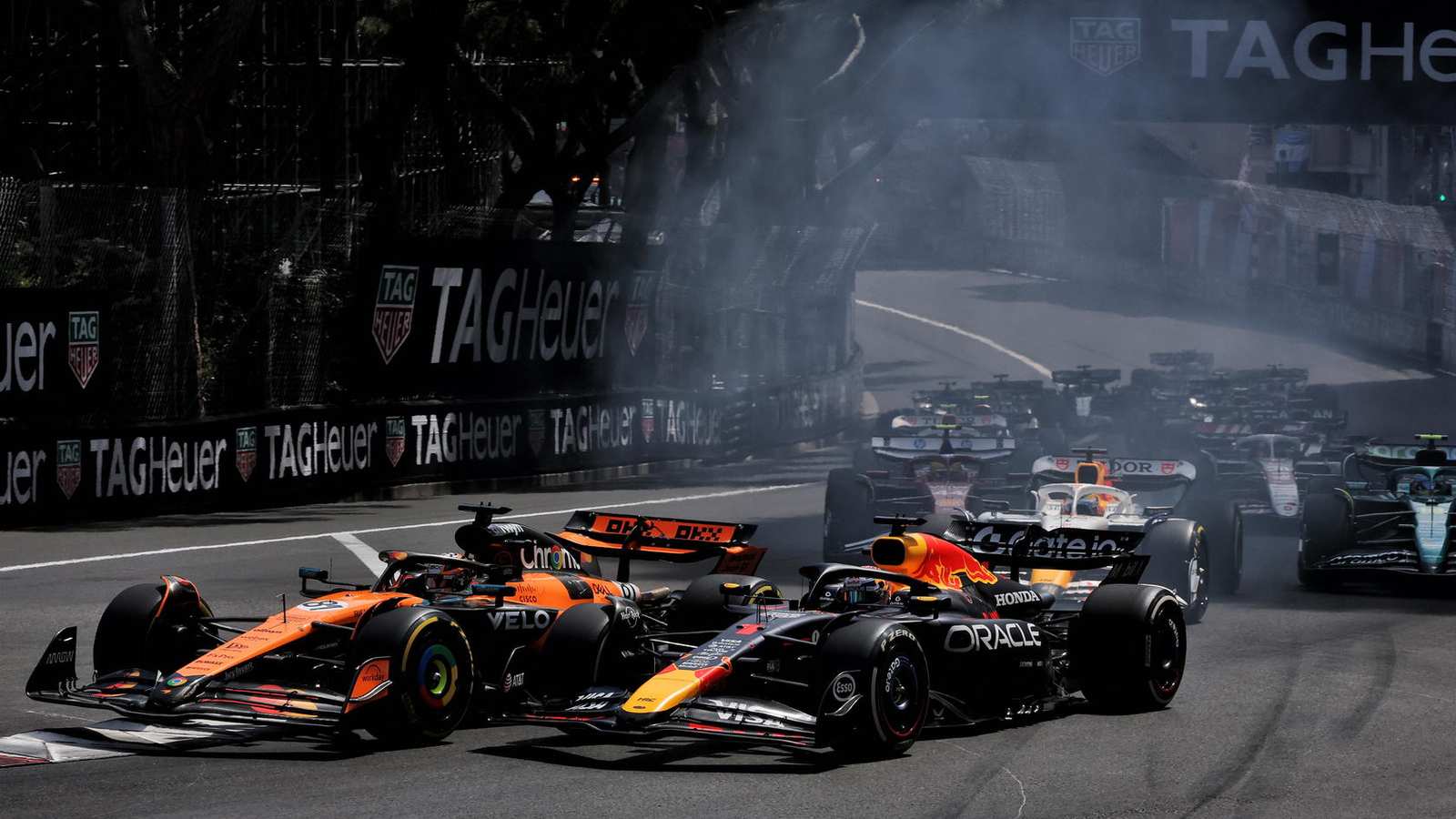
As the Formula 1 circus arrives at the iconic Circuit de Monaco for the 2026 season, a significant regulatory departure has emerged. The FIA has confirmed that ‘Straight Mode’—the active aerodynamics system replacing the traditional Drag Reduction System (DRS)—will be entirely absent from the Monaco layout. This decision marks a departure from previous years where DRS was permitted on the start-finish straight, highlighting the governing body’s prioritized focus on safety over raw overtaking capability on the narrow, winding streets of Monte Carlo.
Technical Constraints and the Three-Second Rule
The 2026 technical regulations introduced active aero as a core pillar of car performance, allowing drivers to switch between ‘Straight Mode’ and ‘Corner Mode’ to optimize drag reduction. However, the implementation of these zones requires a minimum duration of three seconds to be viable. Given the unique geometry of the Monaco circuit, the FIA determined that no section of the track meets the necessary safety and operational criteria for the system to be deployed. Concerns regarding vehicle stability during high-speed transitions on a track where braking zones are notoriously sensitive have effectively sidelined the technology for this specific event.
The Overtaking Dilemma
Drivers have expressed mixed reactions to the news. With the removal of Straight Mode, the already difficult task of overtaking at Monaco remains a primary concern for the grid. While ‘Overtaking Mode’—a separate energy management tool—will remain active, specifically with a detection point entering La Rascasse and approaching Anthony Noghes, experts and drivers alike remain skeptical about its impact. As noted by field participants, the track’s tendency to allow for high energy regeneration means that the defensive advantage for the lead car remains high, potentially nullifying the benefits of the available power-unit tools.
Regulatory Shift
This decision also follows the abandonment of the experimental two-stop mandatory pit stop rule tested in previous iterations of the race. By reverting to a more traditional tactical landscape while simultaneously restricting active aero, the FIA is attempting to balance the preservation of Monaco’s historic status with the realities of modern, wider Formula 1 machinery. The absence of active aero serves as a reminder that even as F1 pushes into a new era of aerodynamic complexity, the specific demands of street racing continue to dictate the boundaries of technological integration.
The exclusion of Straight Mode at Monaco reflects a broader tension in modern F1: the struggle to marry high-tech aerodynamic performance with tracks that were never designed for such velocity. While the decision prioritizes driver safety and car stability, it reinforces the narrative that Monaco remains a unique outlier in the championship. Whether the race provides a tactical masterclass or a procession remains to be seen, but the restriction underscores that on the calendar’s most prestigious street circuit, engineering constraints will always be subservient to the unforgiving nature of the barriers.