


Legislative Impasse: The Skill Games Debate
Pennsylvania lawmakers remain in a state of legislative limbo as they await a definitive ruling from the state Supreme Court regarding the legality of “skill games.” These machines, which occupy a legal gray area, have proliferated across taverns and convenience stores statewide. The legislature views the potential taxation of these devices as a vital revenue stream for education and transit, yet previous attempts to codify them have failed due to conflicting interests among GOP senators.
The stakes are high. While industry-backed political spending influenced recent primary outcomes, proponents and opponents of an aggressive tax remain locked in debate. State Senator Camera Bartolotta noted that the court’s forthcoming decision will likely dictate the language of any future regulatory framework. Until the judiciary clarifies whether these machines constitute gambling or skill-based entertainment, the path toward a budgetary consensus remains obstructed.
Agricultural Preservation vs. Tech Infrastructure
As Pennsylvania navigates its economic future, a new legislative front has emerged: the protection of farmland from the rapid expansion of data centers. Republican state Representative Marla Brown has proposed legislation to restrict the conversion of agricultural land into “supercomputer warehouses.” Despite Pennsylvania’s status as a leader in farm preservation, the state lost approximately 220,000 acres of farmland between 2017 and 2022.
The tension lies between the state’s $132 billion agricultural sector and the massive energy and land requirements of the AI-driven data industry. While some argue that precision agriculture technologies require the same infrastructural advantages as data centers, the Pennsylvania Farm Bureau has expressed support for limiting development on prime soil, citing a responsibility to protect food sources for future generations.
Emergency Preparedness and Public Safety
Beyond the Capitol, local agencies continue to stress-test disaster response capabilities. York County recently conducted a full-scale exercise simulating a radiation leak at the Peach Bottom nuclear power plant. The drill involved 17 agencies and focused on evacuation protocols, decontamination, and the integration of pet-sheltering services, highlighting the logistical complexities of protecting residents in the event of a large-scale emergency.
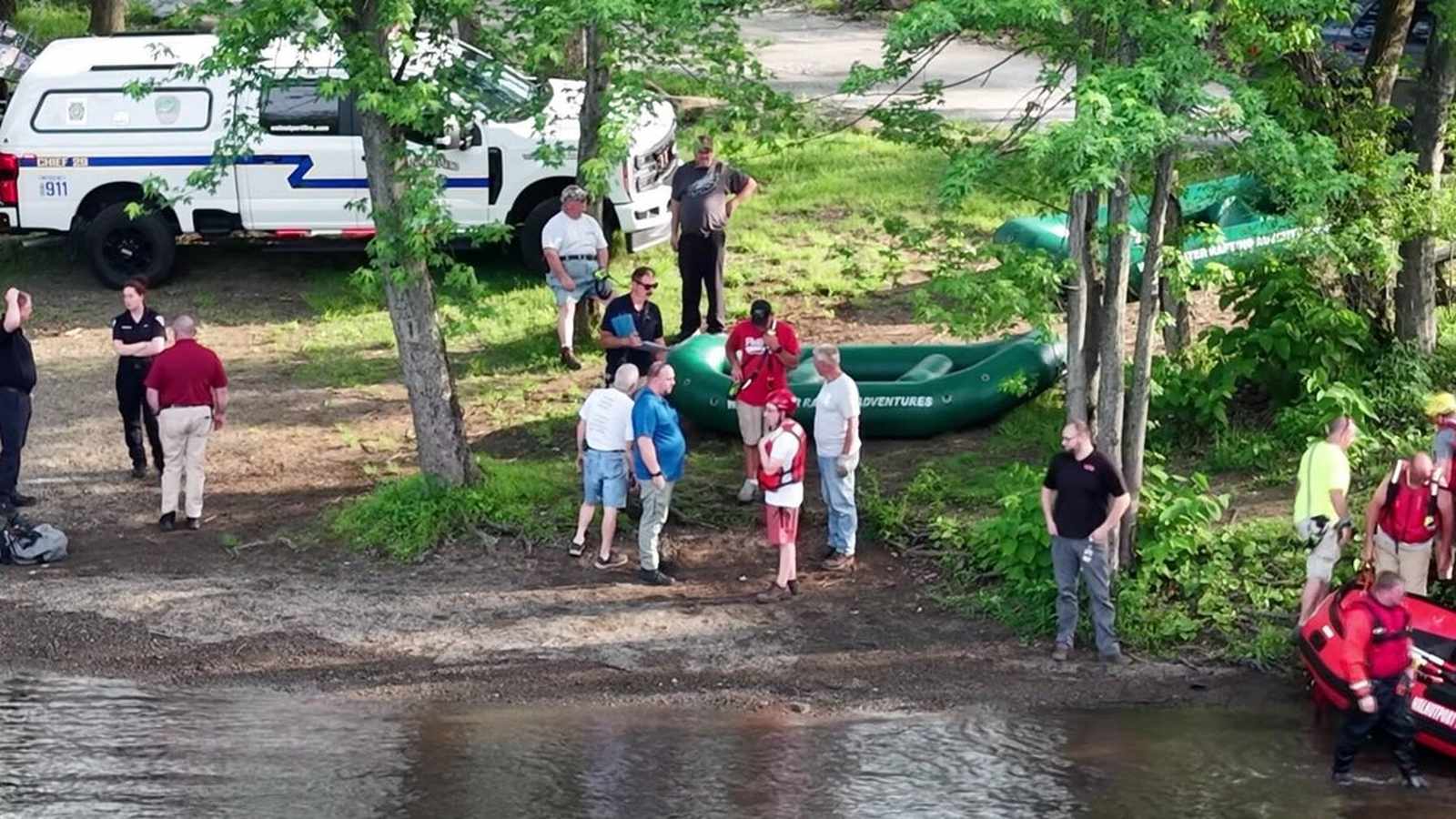
Simultaneously, the state is mourning two recent tragedies. In the Poconos, a 12-year-old student from Long Island died in a rafting accident, prompting investigations by the Pennsylvania Fish and Boat Commission. In Perry County, a 6-year-old girl was killed in an ATV crash. These incidents have reignited local conversations regarding safety regulations for recreational activities and youth supervision.
The convergence of these issues—legislative gridlock, land-use policy, and the sobering reality of public safety—underscores the complex challenges facing Pennsylvania officials. As the June 30 budget deadline approaches, the legislature must reconcile the immediate need for fiscal revenue with long-term interests in agricultural stability and rigorous oversight of public safety protocols. The Supreme Court’s impending decision on gaming will serve as a bellwether for the state’s legislative capacity to resolve high-stakes economic disputes in an increasingly polarized political environment.