


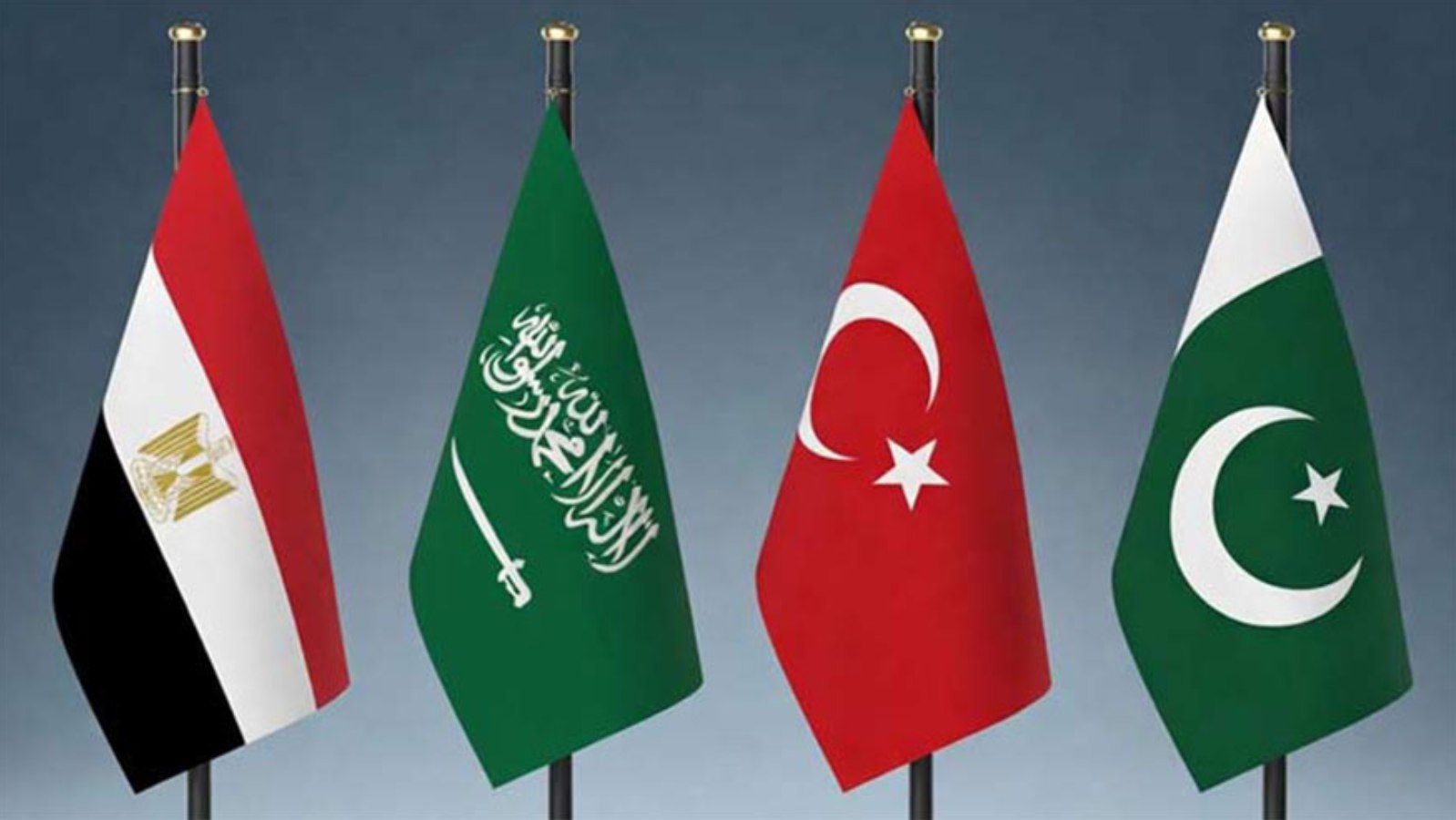
Joint Condemnation by the R4 Group
Turkey, Pakistan, Egypt, and Saudi Arabia—collectively known as the R4 Group—issued a joint statement on Sunday strongly condemning ongoing Houthi missile attacks targeting King Khalid International Airport in Riyadh, according to The Business Standard. The regional powers denounced the strikes as a dangerous and unjustifiable escalation that threatens international peace, civilian lives, and regional stability.
The joint declaration follows a weekend of deadly violence. According to See.News, an initial strike on Saturday, October 10, 2026, killed 13 people and injured over 300 others, with casualties including both Saudi citizens and foreign nationals, among them an Egyptian national. A subsequent attack on Sunday struck Terminal 4 of the airport, causing a fire and injuring nearly a dozen more people after Saudi air defenses intercepted a cruise missile nearby.
Regional Security Stakes and Mutual Defense Commitments
In their joint statement, the R4 member states held the Houthi militia fully accountable for the repercussions of the attacks and demanded an immediate, unconditional halt to all hostile operations against Saudi territory. The governments affirmed their solidarity with Riyadh, declaring full support for all legitimate measures taken by Saudi authorities to protect national sovereignty, secure infrastructure, and deter future threats in accordance with international law.
The escalation has focused renewed attention on broader security architecture in the region. NATO member Turkey and nuclear-armed Pakistan signed a joint defense pact with Saudi Arabia in August, stipulating that an armed attack on one party constitutes an attack on all. Reporting by The Economic Times indicates that the countries agreed last week to implement collective defense commitments, ensuring the rapid deployment of forces and capabilities to assist Saudi Arabia.
Diplomatic Responses and Military Limits
While the pact signals closer strategic alignment, Turkish Foreign Minister Hakan Fidan clarified on Thursday that Ankara is currently assessing how best to support Riyadh while explicitly ruling out direct troop deployments or Turkish participation in offensive military operations. Official sources noted that Turkey’s ongoing support focuses primarily on defensive equipment and technical assistance. Furthermore, the August defense agreement awaits formal ratification by the Turkish parliament, where it is expected to be submitted in the coming days.
The continuous missile and drone threats have caused immediate operational disruptions, forcing civil aviation authorities to suspend regular flights and close Riyadh’s international airport temporarily. As diplomatic pressure mounts following the UN General Assembly sidelines meeting in New York on September 21, the R4 Group’s coordinated stance underscores a unified regional resolve to counter militant cross-border strikes while navigating the delicate legal and political boundaries of mutual defense pacts.
The unfolding security crisis underscores the fragile nature of stability across the Arabian Peninsula. Beyond the immediate bilateral and multilateral declarations, regional capitals face mounting pressure to reinforce air defense networks and protect vital logistical hubs. International stakeholders, including the United States, have closely monitored the developments, with Washington noting that potential responses remain under review following the casualties sustained during the weekend barrages. Meanwhile, diplomatic channels continue to grapple with the broader geopolitical ramifications of the cross-border escalation.