


Dangerous Heat Conditions Across Florida
The Florida Division of Emergency Management and the National Weather Service (NWS) have issued extreme heat warnings for 33 of Florida’s 67 counties, with an additional 19 counties under heat advisories. Forecasters are warning residents and visitors to prepare for “dangerous heat and humidity” as the state deals with a persistent weather pattern that has pushed heat indices into the triple digits.
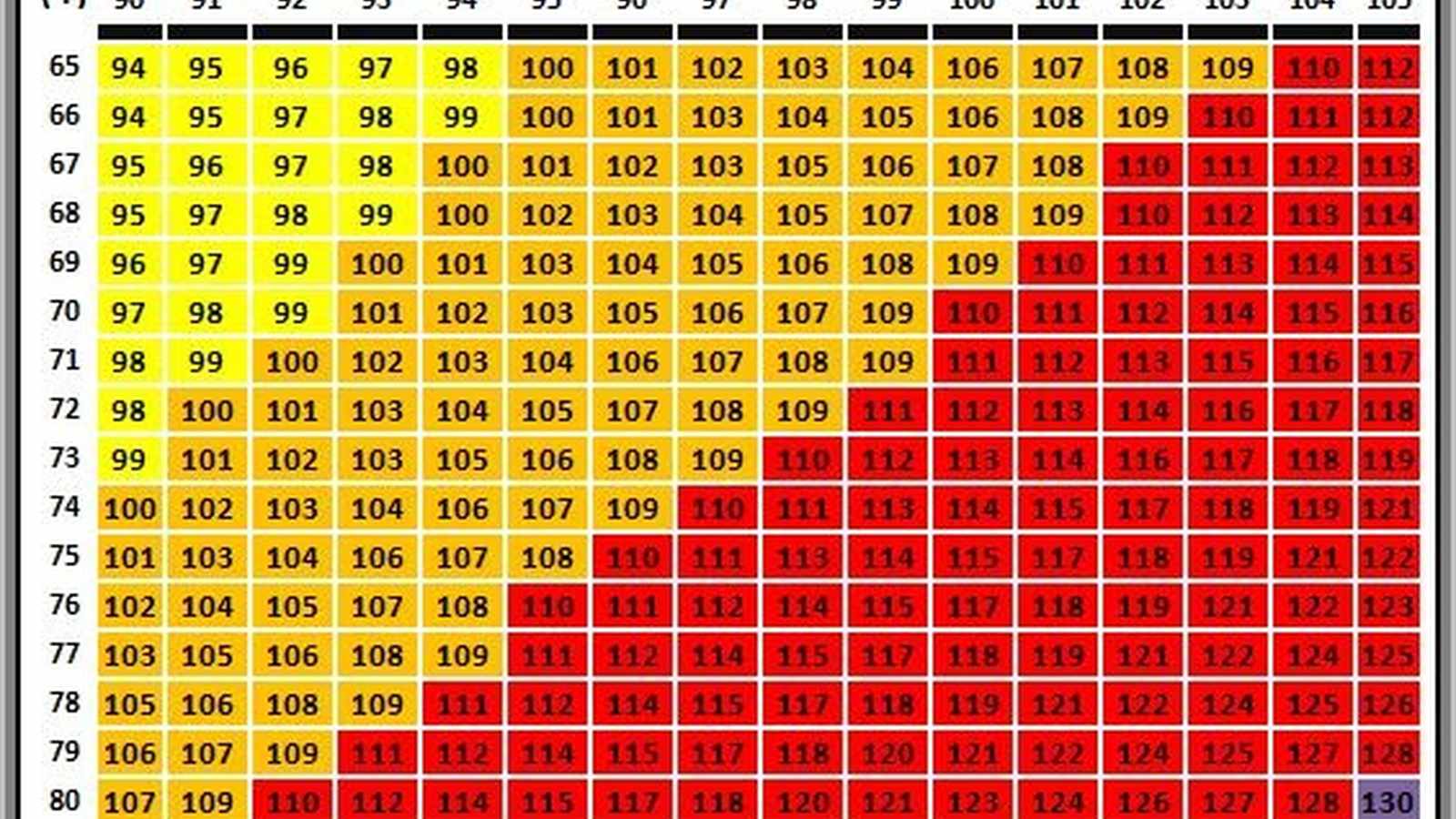
Meteorologist Will Corless of the NWS Jacksonville office confirmed that while actual temperatures are forecast to reach between 95 and 100 degrees, the combination of high air temperature and oppressive humidity will make it feel significantly hotter. In some coastal areas, the heat index—a measurement of how hot it feels to the human body—is projected to briefly touch 117 degrees.
Understanding the Heat Index
The NWS defines the heat index as the summer equivalent of the wind chill factor. It is calculated using two primary variables: air temperature and relative humidity. Because high humidity prevents sweat from evaporating efficiently, the body struggles to cool itself, leading to a much higher perception of heat than the air temperature alone suggests.
It is critical for the public to note that NWS heat index values are calculated for shady, light-wind conditions. Exposure to direct, full sunshine can increase these values by up to 15 degrees, significantly elevating the risk of heat-related illness even in areas where the reported index appears manageable.
Public Safety and Vulnerable Populations
Extreme heat is a leading cause of weather-related fatalities in the United States, with the Centers for Disease Control and Prevention (CDC) reporting more than 700 heat-related deaths annually. Officials are urging residents to take immediate precautions to avoid heat exhaustion and heat stroke.
Vulnerable groups, including children, the elderly, pregnant women, and individuals with chronic conditions like heart disease or asthma, are at the highest risk. Symptoms of overheating include muscle cramping, nausea, dizziness, excessive sweating, and shortness of breath.
The Florida Division of Emergency Management recommends the following safety measures:
- Stay Indoors: Utilize air-conditioned spaces. If your home is not air-conditioned, contact local health departments or dial 211 to find cooling centers.
- Limit Outdoor Exposure: Avoid strenuous activities during the peak heat of the day. If working outside is necessary, take frequent breaks in the shade.
- Hydration and Monitoring: Drink plenty of water and check on neighbors, particularly those living alone, as well as pets.
- Fan Usage: Use fans only when indoor temperatures are below 90 degrees; in extreme heat, fans can circulate hot air and increase body temperature rather than cooling it.
Forecast and Mitigation
While a cold front is expected to stall over North Florida, meteorologists warn that it will act as a “transition day” rather than a source of immediate relief. The front is likely to trigger strong to severe thunderstorms, which may bring lightning, gusty winds of 40 to 55 mph, and torrential downpours. However, in South Florida, the influx of Saharan dust is expected to suppress some thunderstorm activity, potentially keeping temperatures high for longer.