

Quick Read
- The 2026 Roland Garros tournament opened with a notable first-round match between Coco Gauff and Taylor Townsend.
- The French Tennis Federation is emphasizing digital audience measurement and enhanced viewer experience for the 2026 edition.
- The match highlights the tactical evolution of clay-court tennis, favoring aggressive, high-intensity play.
The Opening Dynamics of Roland Garros 2026
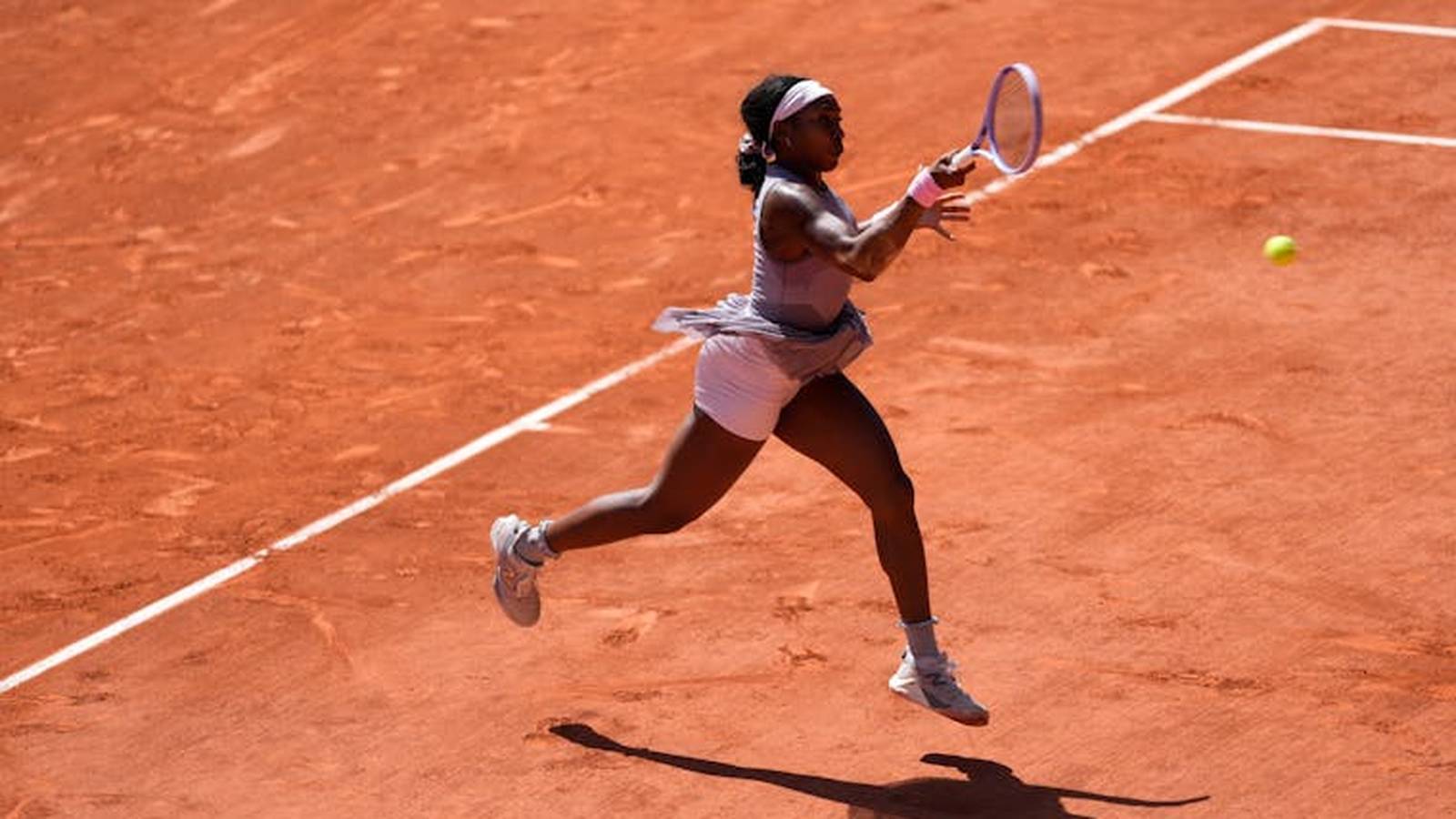
The 2026 edition of Roland Garros officially ignited on Tuesday, May 26, as the prestigious clay-court tournament saw an immediate high-profile clash between American stars Coco Gauff and Taylor Townsend. This opening-round fixture served as a critical barometer for the form of top contenders navigating the notoriously grueling conditions of the Parisian red clay. As the premier event in the tennis calendar, the French Open remains the ultimate test of physical endurance and tactical versatility, and the Gauff-Townsend encounter provided an early showcase of the athleticism required to survive the tournament’s initial stages.
Tactical Analysis and Court Conditions
The interaction between Gauff and Townsend highlighted the evolving nature of contemporary clay-court play. Gauff, known for her baseline consistency and defensive prowess, faced the aggressive, net-rushing style of Townsend. According to official match data released by the French Tennis Federation (FFT), the match served as a technical demonstration of how modern players adapt to the court’s unique surface friction and bounce. The strategic implications of this match extend beyond the scoreboard; it indicates a trend toward high-intensity, short-rally tennis even on surfaces historically reserved for long-form grinding.
Institutional Stakes and Tournament Governance
The 2026 Roland Garros is operating under a refined regulatory framework, with the FFT prioritizing digital integration and audience analytics to enhance the spectator experience. The match highlights, disseminated globally, reflect the organization’s focus on digital-first content delivery. Beyond the court, the tournament serves as a massive economic driver for the Paris region, with broadcasting rights and commercial partnerships reaching record valuations. The institutional pressure on athletes to perform under these heightened conditions is significant, as the global tennis infrastructure relies heavily on the success of these early-round marquee matchups to maintain viewership engagement.
Broadening the Scope of Competitive Tennis
The inclusion of high-stakes domestic rivalries in the first round of a Grand Slam tournament demonstrates the depth of talent currently influencing the WTA tour. For Gauff, the pressure to secure a deep run in Paris is a defining narrative of her 2026 season, while Townsend continues to prove her efficacy against top-ten seeds. The tactical adjustments observed in this match—ranging from serve placement to court coverage—will likely be analyzed by tournament analysts as standard benchmarks for the remainder of the fortnight. As the tournament progresses, the efficacy of the FFT’s operational strategies, including surface maintenance and player recovery protocols, will be tested against the backdrop of an increasingly demanding professional schedule.
The opening encounter between Gauff and Townsend underscores the intensified competitive landscape of the 2026 Roland Garros. By prioritizing high-velocity engagement in the first round, the tournament organizers have successfully captured immediate global attention. The technical proficiency displayed on the court, coupled with the rigorous operational standards maintained by the FFT, suggests that the 2026 edition will be defined by a synthesis of traditional clay-court mastery and modern, aggressive tactical execution. As the draw unfolds, the ability of top-seeded players to maintain this level of intensity while navigating the physical demands of the surface will remain the decisive factor in determining the eventual champion.