


Strategic Partnership Talks in Seoul
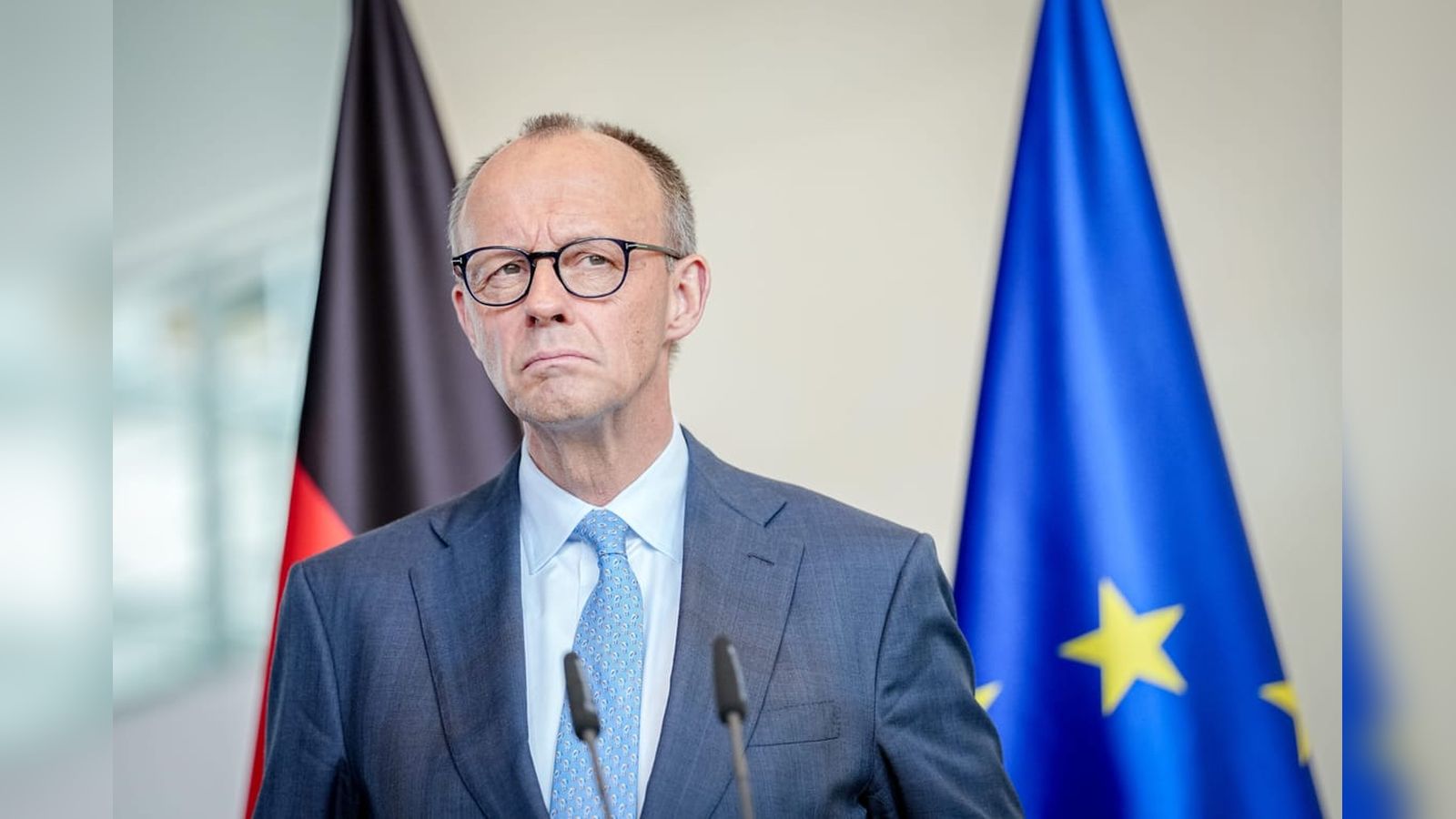
German Chancellor Friedrich Merz traveled to South Korea on October 29, 2026, marking the conclusion of his high-level diplomatic tour across Asia. During his meetings in Seoul with South Korean President Lee Jae Myung, the German leader focused heavily on expanding bilateral cooperation, addressing pressing international security challenges, and deepening strategic military ties between Berlin and Seoul, as reported by Deutsche Welle.
The diplomatic engagement underscores Berlin’s broader effort to align more closely with Indo-Pacific partners on security matters. Chancellor Merz emphasized that regional developments in East Asia carry direct implications for international stability and European security, pointing directly to shared concerns regarding North Korean policies and military postures.
Diplomatic Stakes and Security Alignment
The discussions in Seoul reflect an ongoing shift in German foreign policy toward strengthening alliances beyond Europe. By forging closer defense and strategic coordination with South Korea, Berlin aims to address mutual security vulnerabilities in an increasingly interconnected global environment. Officials from both nations reviewed existing bilateral agreements and outlined potential areas for joint technological and defense initiatives.
While Chancellor Merz concluded his itinerary in South Korea, other senior German officials maintained active diplomatic schedules elsewhere in the region. German President Frank-Walter Steinmeier engaged in state visits in China, focusing on trade relations and economic balancing, illustrating a multifaceted German diplomatic approach across major Asian economies.
Broader Diplomatic Context and Next Steps
The outcomes of Chancellor Merz’s visit are expected to shape future bilateral defense dialogues and institutional exchanges between Germany and South Korea. Analysts note that formalizing closer strategic ties allows both governments to coordinate responses to shared geopolitical challenges more effectively.
As the Asian tour concludes, Berlin will review the operational proposals generated during the meetings in Seoul to determine specific implementation timelines for enhanced military and industrial cooperation.
Presidential Engagements and Economic Realities in Parallel News
While the Chancellor focused on security alignment in Seoul, President Frank-Walter Steinmeier pursued a distinct agenda in China. Speaking at Peking University on October 29, 2026, Steinmeier called on Beijing to reduce economic imbalances between China, Germany, and the broader European continent. He urged Chinese leadership to work alongside European partners to reinforce the international, rules-based order and advocate for peace and free global trade.
Breaking briefly from formal diplomatic protocols during his university address, Steinmeier engaged in a lighthearted ping-pong match against Germany’s most famous table tennis player, Tino Boll, who accompanied the presidential delegation as a special guest. The match took place in the university sports hall, featuring the university president and an official referee, though Steinmeier ultimately fell 1-7 against Boll, the legendary athlete who won silver at the 2008 Beijing Olympics.
Concurrently, domestic economic pressures continued to demand attention in Germany. Volkswagen reported substantial third-quarter losses amounting to €5.8 billion, equivalent to roughly $6.46 billion. The automotive giant has faced mounting difficulties maintaining its competitive edge against rising manufacturing powerhouses in China while simultaneously managing the complex, capital-intensive transition to electric vehicles.
In domestic developments unrelated to the Chancellor’s tour, an 8-year-old girl sustained serious injuries following an unexpected wolf attack at a wildlife park located in Brandenburg. These concurrent domestic and economic developments frame the wider backdrop against which Chancellor Merz and President Steinmeier conducted their high-stakes diplomatic missions across the Asian continent.