


A Shift in Strategy
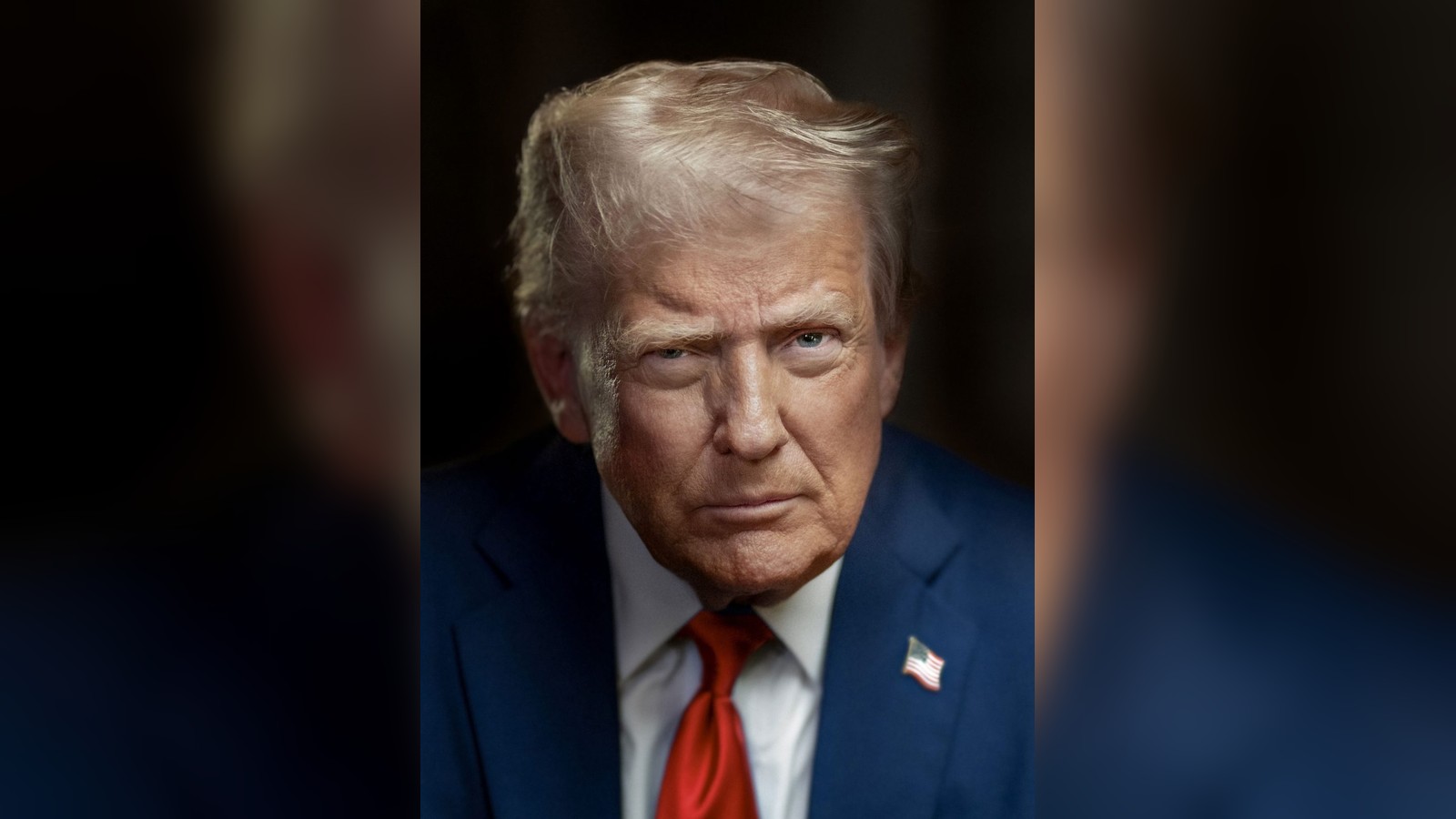
President Donald Trump stated on November 9, 2026, that the military conflict with Iran is “effectively over,” marking a significant pivot in his administration’s approach to the long-standing standoff. Speaking to reporters at a press briefing in Washington, the president clarified that while kinetic military operations have ceased, the United States will maintain what he described as the “status quo” of rigorous economic isolation. This strategy includes a sustained naval blockade and the newly launched “Operation Iron Gate,” an initiative designed to sever Iran’s overland trade routes with neighboring countries, as reported by the New York Post.
The announcement followed a high-level meeting between President Trump and Qatari Prime Minister Sheikh Mohammed bin Abdulrahman bin Jassim Al Thani. According to official remarks provided at the briefing, regional partners including Qatar, Saudi Arabia, the UAE, Bahrain, and Kuwait have advocated for the current policy of containment. Trump emphasized that this collective regional pressure supports the continuation of a “total lockdown” of Iran’s borders, which he characterized as the most extensive blockade in history.
The Strategic Contradiction
The administration’s decision to declare the military phase over while intensifying economic measures creates a complex strategic landscape. While Secretary of State Marco Rubio argued in a recent address that the “economic pain” inflicted on the regime renders further military action unnecessary, analysts from Foreign Policy suggest a different trajectory. They warn of a “Swiss-cheese scenario” where sanctions enforcement gradually erodes as Asian and Middle Eastern nations prioritize trade and investment with Tehran, potentially undermining the efficacy of the U.S.-led isolation. This internal tension between an official declaration of peace and the reality of a persistent, grinding economic war characterizes the current administration’s approach to the Middle East.
Despite the declaration that the war is over, the administration has not withdrawn its military posture. Trump confirmed that U.S. forces remain “fully locked and loaded” to respond to any sudden developments. This stance is bolstered by ongoing intelligence reports, cited by CNN, regarding potential Iranian threats against U.S. officials. While the Iranian Foreign Ministry has dismissed these allegations as “baseless,” with spokesman Esmaeil Baghaei labeling the claims as “sinister designs” manufactured to support media narratives, the persistence of these security concerns ensures that the standoff remains volatile. Furthermore, reports indicate that the U.S. is monitoring concerns over potential dirty bomb development, though officials clarify these remain preliminary and not immediate indicators of an imminent strike.
Regional Stability and Future Outlook
The sustainability of this “status quo” remains a central point of debate. With Iran currently grappling with 301% inflation and significant domestic economic instability, the administration is betting that the combination of naval blockades and Operation Iron Gate will force compliance regarding nuclear non-proliferation. Trump stated that ensuring Iran never acquires a nuclear weapon is a “non-negotiable point” that Tehran has accepted, even if they do not publicly acknowledge it. This creates a psychological gap between Washington’s stated goals and Tehran’s public denials, further complicating the prospects for a formal diplomatic resolution.
As the administration pivots away from active combat, the focus has shifted to the upcoming Asia-Pacific Economic Cooperation summit. Trump is expected to discuss the Iran dossier, along with nuclear disarmament and the ongoing conflict in Ukraine, with leaders including Xi Jinping and Vladimir Putin. The transition to a long-term containment strategy suggests that the U.S. is moving toward a policy of attrition rather than resolution. Whether this approach can effectively manage the competing interests of regional allies while preventing further escalation remains the primary challenge for the administration as it navigates the final months of the current political cycle. The shift also occurs against the backdrop of potential personnel changes within the Israeli government, with the potential transition from Benjamin Netanyahu to a government led by Gadi Eisenkot, which could alter the regional dynamics of the conflict.
While the administration attempts to frame the end of military operations as a victory for regional stability, the reality on the ground suggests a more nuanced, and perhaps more dangerous, stalemate. By maintaining the blockade without a clear diplomatic off-ramp, the U.S. risks a long-term erosion of its influence as regional actors seek to bypass sanctions to address their own economic needs. The “Swiss-cheese” effect, where the blockade becomes increasingly porous, may force the White House to choose between accepting a weakened containment policy or escalating once again to tighten the noose. Ultimately, the administration’s current path is one of managed instability, where the absence of large-scale military conflict is balanced against the persistent, low-intensity pressure of an economic war that shows few signs of concluding in the near term.
The skepticism from Tehran, combined with the shifting priorities of regional partners, suggests that the “status quo” is a fragile arrangement. Iranian officials, including Supreme National Security Council Secretary Mohsen Rezaei, have publicly urged the U.S. to “fold its hand” and cease the manufacturing of what they term “fake news” regarding potential talks. This public defiance, coupled with the administration’s own warnings that it “won’t hesitate” to act if things do not work out, ensures that the threat of renewed violence remains a constant, if dormant, feature of the regional security landscape. As the U.S. enters this phase of attrition, the ability to maintain a unified front with regional allies will be the true test of this containment strategy, particularly as the domestic political landscape in Washington undergoes its own transition.