


German Authorities Respond to Intelligence Warnings
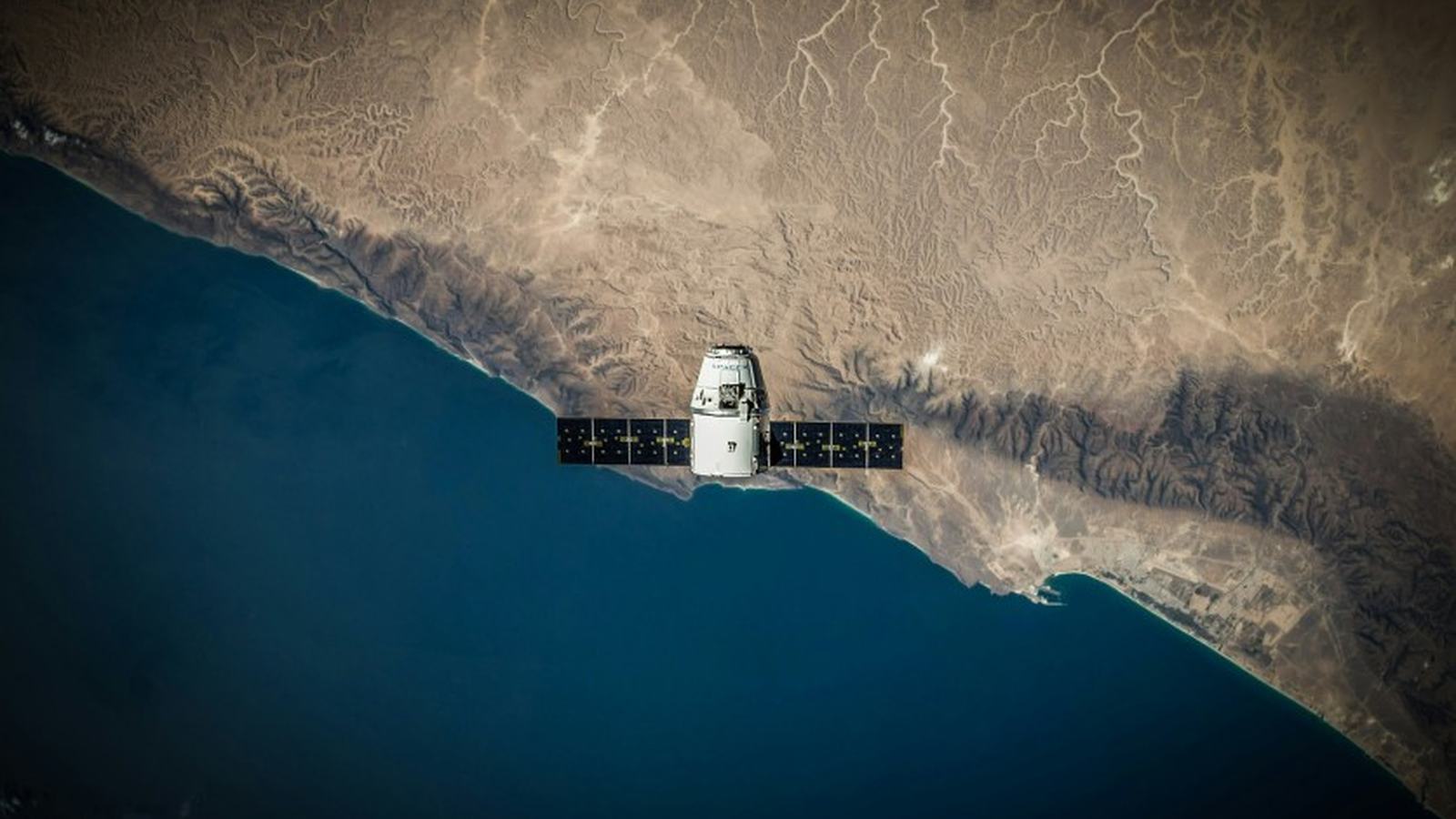
German officials are treating western intelligence assessments with high concern following reports that Russia could launch a nuclear-armed satellite named Sputnik-S as early as December 2026. According to reporting published by Tech Times, German broadcasters WDR and NDR alongside the newspaper Süddeutsche Zeitung reported that Western intelligence exchanges in early November produced expectations of an orbital deployment before the end of the year. The Bundeswehr Space Command considers a December launch a distinct possibility, though official government representatives emphasize that an immediate acute threat does not currently exist.
Government spokesman Stefan Kornelius stated that Berlin takes the intelligence reports very seriously while urging calm and noting that excessive nervousness is unwarranted. Meanwhile, the German Foreign Office warned that stationing nuclear weapons in space would represent a blatant violation of the 1967 Outer Space Treaty. The Kremlin rejected the claims, with spokesman Dmitry Peskov stating he had not seen the reports and that the assertions were unworthy of serious consideration, while the Russian embassy in Berlin characterized the allegations as unfounded insinuations and insisted that Moscow pursues exclusively peaceful objectives in space.
Technical Mechanism and Persistent Radiation Threats
Security analysts note that the primary danger of an orbital nuclear detonation stems less from the initial explosion than from the enduring environmental consequences in low Earth orbit. A nuclear blast in space generates a prompt burst of X-rays and an electromagnetic pulse, followed by fission-product electrons that become trapped in Earth’s magnetic field. This process creates artificial radiation belts that repeatedly expose passing spacecraft to damaging doses of radiation. Historical precedent remains limited to the July 1962 Starfish Prime test, where a 1.4-megaton US detonation at a 400-kilometer altitude damaged at least eight satellites and caused operational failures lasting weeks or months.
Recent scientific modeling underscores the long-term hazard to modern infrastructure. A November preprint study cited by Tech Times projects that a 1-megaton detonation at 500 kilometers over the South Atlantic would disable roughly 98 percent of modeled satellites within a week. Furthermore, disabled spacecraft would remain trapped in an environment of radiation and debris, triggering an estimated 20 collisions within two years as objects lose maneuverability. Major General Armin Fleischmann of the Bundeswehr Cyber and Information Domain Command warned that widespread satellite outages would precipitate severe disruptions to global navigation, communications, and power grids.
Varying Impact Estimates and Strategic Context
Estimates regarding the proportion of disabled low Earth orbit satellites vary widely depending on weapon yield, altitude, and orbital location. Gen. Stephen Whiting, head of US Space Command, told German outlets that a detonation could disable approximately one-third of LEO satellites within hours or days, with subsequent failures accumulating over following months. A similar projection was offered in June by Traut of the Bundeswehr Space Command, who noted that a Starfish-like event could impair up to a third of LEO spacecraft. Conversely, conservative models from the German Institute for International and Security Affairs estimate an immediate impact on 5 to 10 percent of satellites from a 10- to 20-kiloton burst.
The Defense Intelligence Agency’s 2026 space-threat assessment indicates that Moscow is actively developing a space-based nuclear weapon capable of threatening thousands of spacecraft. However, policy experts remain divided on the immediate strategic utility of such a system. While Atlantic Council commentators suggest a nuclear anti-satellite device could jeopardize most commercial and military assets in orbit, other analysts argue that Russia already possesses terrestrial capabilities to launch nuclear weapons into space, raising questions about the specific military advantage conferred by an orbital deployment.