


The Inescapable Costs of Daily Life
The global cost-of-living crisis has reached a point of saturation where even the most fundamental human experiences—the interment of the deceased—are now subject to the volatile pressures of runaway inflation. In Tehran, the state-affiliated outlet Donya-e-Eghtesad reported in June 2026 that fees for municipal funeral services at the Behesht-e Zahra cemetery have surged by an average of 40 percent. This is not merely a bureaucratic adjustment; it is a stark indicator of how deeply economic instability has permeated the social fabric of Iran.
For Iranian families, the death of a relative now necessitates a financial calculation that many cannot sustain. Unlike discretionary spending on luxury goods or travel, funeral arrangements are non-negotiable. The increased costs for ritual washing, transportation, and burial represent a final, cruel tax on the grieving, illustrating that no sector of Iranian society remains insulated from the ongoing currency depreciation and systemic economic mismanagement.
Political Consequences in the West
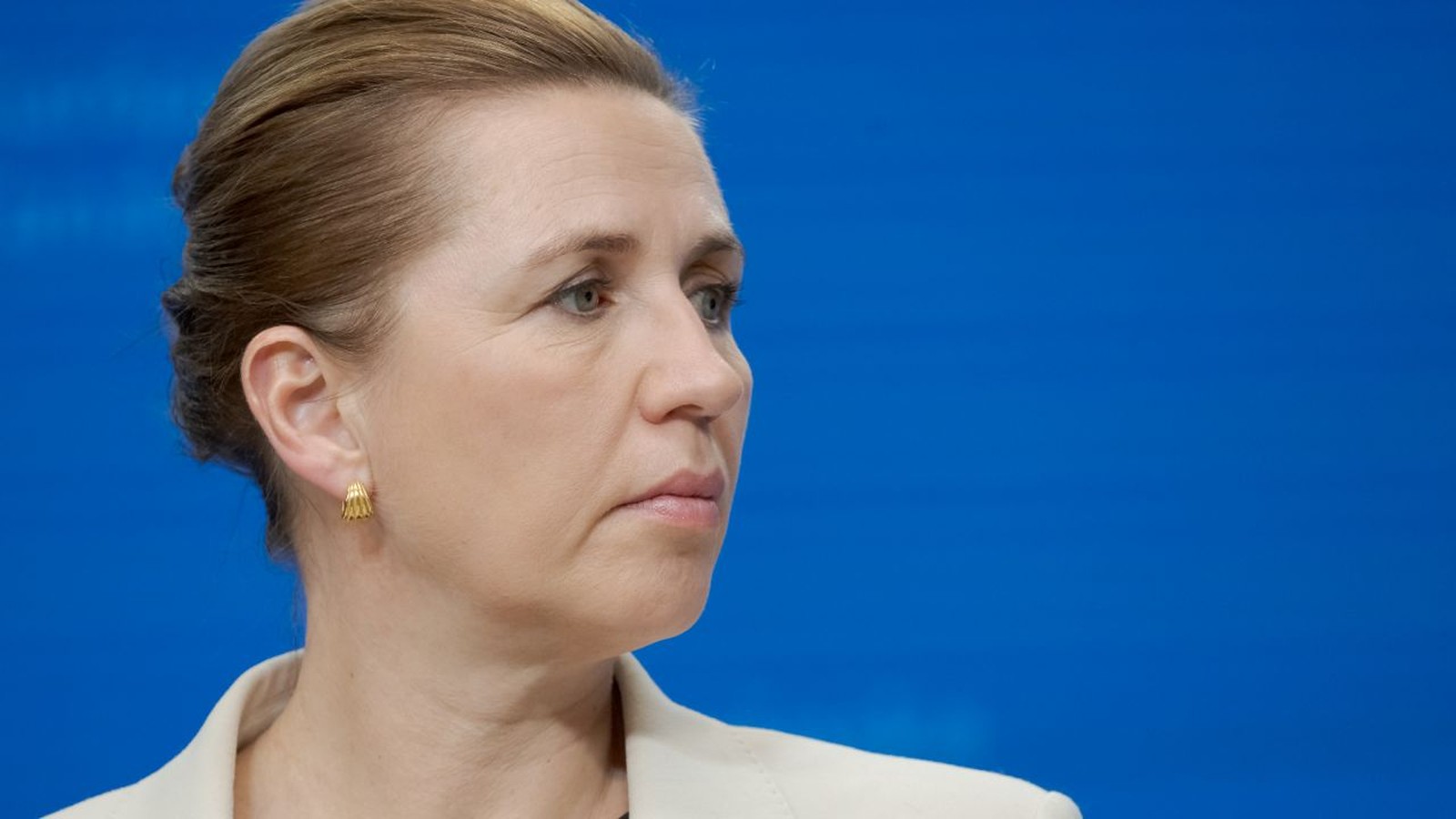
While Iran grapples with the micro-economic impacts on burial, Western democracies are experiencing the macro-economic fallout of the cost-of-living crisis through electoral volatility. In Denmark, Prime Minister Mette Frederiksen has secured a third term, but only after months of political deadlock following a March election where her coalition lost its majority. The electorate’s revolt was driven primarily by frustration over rising costs, forcing a shift in the nation’s governing platform.
Similarly, in California, the gubernatorial race has been defined by the struggle to offer relief to a populace squeezed by housing costs and inflation. Candidates are proposing divergent paths: from Republican Steve Hilton’s emphasis on tax relief for the working class to Democrat Tom Steyer’s focus on expanding renters’ tax credits and former HHS Secretary Xavier Becerra’s proposals for homeownership assistance. The contrast is clear: the crisis has moved from the periphery to the center of the political debate, as voters demand concrete solutions to the erosion of their purchasing power.
Analytical Perspectives on Economic Policy
The convergence of these events suggests that the global economy is entering a phase where the political legitimacy of governments is increasingly tethered to their ability to mitigate the cost-of-living crisis. In authoritarian regimes like Iran, the inability to provide affordable essential services risks further eroding the social contract, as even the most sacred traditions become symbols of economic failure. Conversely, in democratic states, the crisis acts as a potent catalyst for political innovation and electoral turnover.
The common denominator across these disparate geographies is the systemic failure of real income growth to keep pace with the cost of existence. Whether it is a family in Tehran seeking a burial plot or a family in California seeking a home, the erosion of stability is driving a populist demand for intervention. As governments continue to navigate these pressures, the focus will likely shift from broad market-based policies to targeted, direct interventions aimed at reducing the immediate financial burden on households. If the current trajectory of inflation persists, the political cost for those in power will likely continue to rise, making affordability the defining challenge of the mid-2020s.