


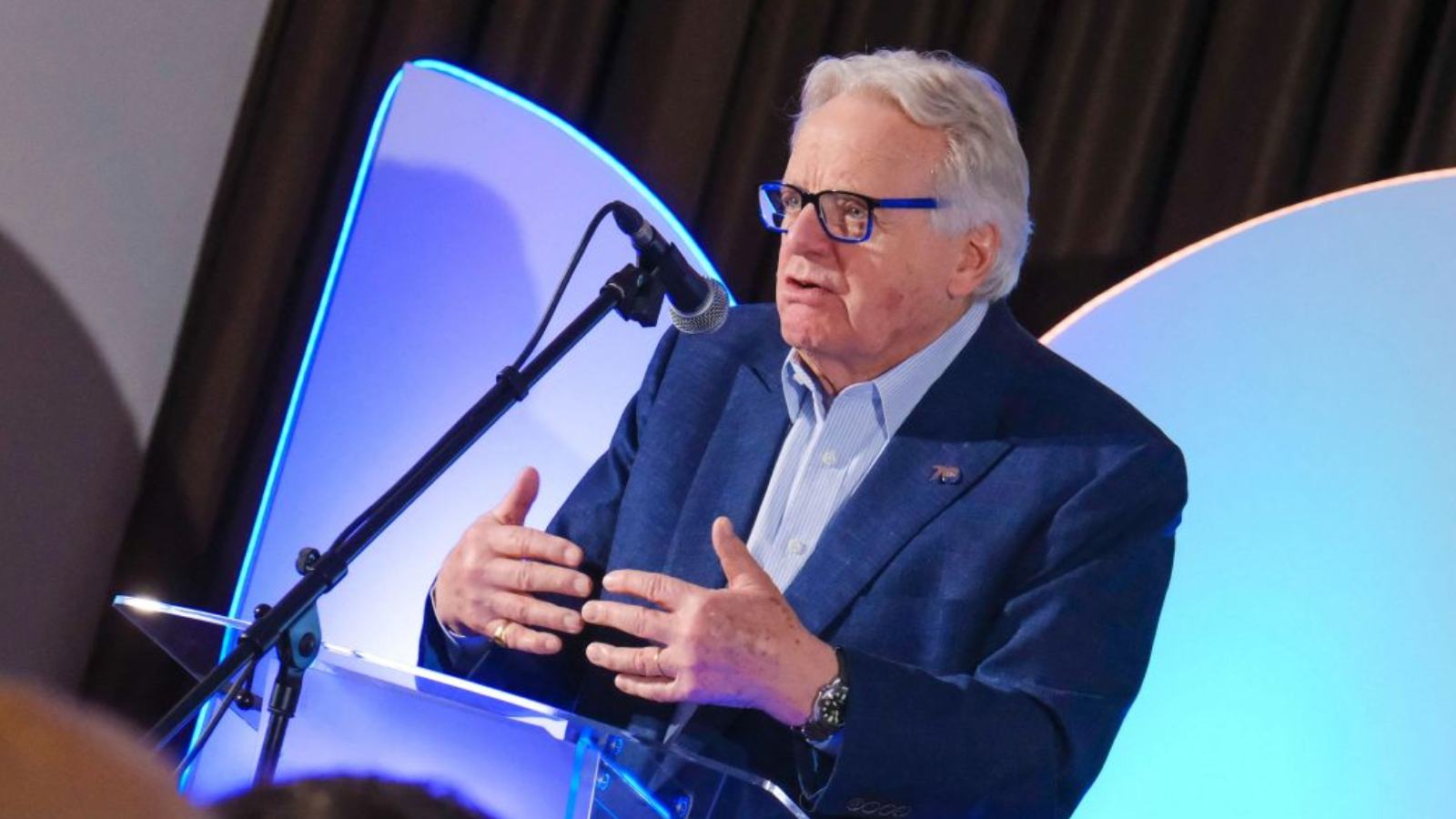
The Post-Ofcom Shift
The departure of Michael Grade from the chairmanship of Ofcom has triggered a period of institutional introspection regarding the future of British media. Having served as a central figure in the UK broadcasting landscape for decades, Grade’s recent transition into a more vocal critic of the current regulatory environment suggests a significant misalignment between the regulator’s legislative intent and its practical application. His comments, made shortly after stepping down, have highlighted the tensions inherent in managing a media ecosystem increasingly fractured by ideological polarization.
The GB News Controversy
At the center of the current debate is the regulatory treatment of GB News. Ofcom’s impartiality code requires that news be reported with due accuracy and presented with due impartiality. However, critics, including former Ofcom standards director Chris Banatvala, argue that the regulator has failed to apply consistent standards to the channel. The primary contention lies in Ofcom’s distinction between ‘news’ and ‘current affairs,’ a nuance that critics argue creates an opening for political figures to host programs that blur the lines of objective journalism.
Grade’s own perspective on this has been criticized as contradictory. While he has expressed concerns about the channel’s impact on the broader broadcasting landscape, he has simultaneously defended the editorial autonomy of news organizations to make their own choices. This ‘hands-off’ approach to the content itself, contrasted with his ‘hands-on’ critique of the channel’s presence in the market, has left industry observers questioning the effectiveness of the current regulatory framework.
Institutional Stakes
The stakes for the UK’s broadcasting sector are substantial. The rapid rise of digital platforms and the erosion of traditional viewership models have placed immense pressure on established public service broadcasters like the BBC. Grade’s warnings suggest that without a more robust approach to regulation—one that addresses both the rise of partisan news outlets and the unchecked influence of global tech giants—the integrity of the national media landscape could be severely compromised.
Professor Steven Barnett of the University of Westminster has noted that Grade’s recent public commentary effectively attempts to redefine the legal understanding of impartiality. If the regulator’s interpretation of its own code is seen as fluid or inconsistently applied, the credibility of the entire system is at risk. The challenge for the new Ofcom leadership will be to navigate these competing interests while maintaining a standard that is robust enough to protect democratic discourse without stifling editorial diversity.
The regulatory impasse surrounding Michael Grade’s tenure and his subsequent critique highlights a deeper systemic vulnerability. As the UK broadcasting sector grapples with the dual pressures of partisan fragmentation and the dominance of global tech platforms, the reliance on outdated definitions of ‘news’ versus ‘current affairs’ appears increasingly insufficient. The necessity for a modernized regulatory framework—one that prioritizes structural integrity and clear, actionable impartiality standards—is no longer merely a matter of administrative preference, but a fundamental requirement for the preservation of a healthy, democratic public sphere.