


The Shifting Landscape of Electric Mobility
The global electric vehicle (EV) market is currently defined by a sharp dichotomy. While Chinese manufacturers are aggressively expanding the boundaries of luxury and technological integration, Western automakers and consumers are grappling with pricing, design identity, and infrastructure anxiety. The recent debut of the NIO ES9 in China and the controversial unveiling of Ferrari’s first electric vehicle, the Luce, serve as bookends to this complex narrative.
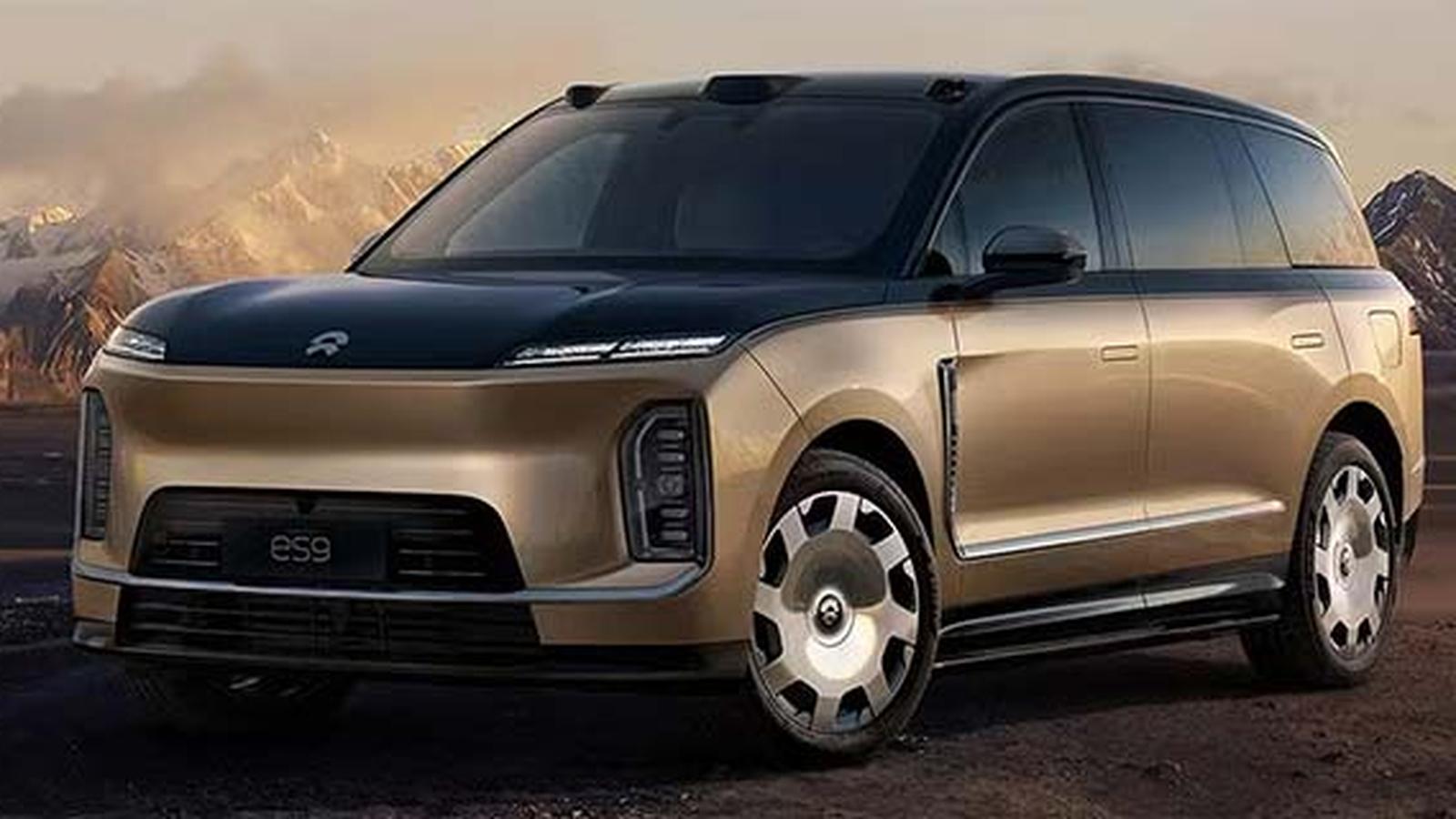
NIO ES9: Redefining the Executive Flagship
NIO’s release of the ES9, priced between RMB 390,000 and RMB 628,000 (roughly €49,400 to €79,600 with Battery-as-a-Service), signals a concerted effort to dominate the premium executive SUV segment. Built on a 900V architecture, the vehicle promises 5C ultra-fast charging and a 620 km range, supported by an expansive battery-swapping network. NIO’s approach is rooted in a decade of R&D, positioning the ES9 as a “technological showcase” featuring 40 industry-first technologies, including AI-driven autonomous driving via the NIO WorldModel.
Ferrari and the Identity Crisis of Luxury EVs
In stark contrast, Ferrari’s entry into the all-electric space with the $640,000 Luce has sparked significant public and expert backlash. Despite CEO Benedetto Vigna’s insistence that orders are “rolling in,” the design has been widely panned by critics as a “monstrosity.” Former Ferrari chairman Luca Cordero di Montezemolo publicly distanced himself from the project, warning of the “destruction of a legend.” This friction highlights a broader challenge for legacy luxury brands: how to pivot to electrification without diluting the brand equity built on internal combustion performance.
Market Data and Consumer Behavior
Data from the Pew Research Center confirms that the disparity in EV adoption is not just anecdotal. In 2025, EVs and hybrids accounted for 53% of new car sales in China, whereas in the United States, the figure remained stagnant at 10%. While rising fuel costs in places like Guernsey have driven a surge in local demand for electric alternatives, global trends suggest that infrastructure confidence remains low. In the U.S., only 17% of adults expressed high confidence in the domestic charging infrastructure, a sentiment that contrasts sharply with the aggressive expansion seen in China, which now boasts over 4.7 million public charging points.
The bifurcation of the EV market suggests that the transition to electric mobility is no longer a uniform global trend but a fragmented evolution. While China leverages massive state support and rapid technological iteration to standardize the EV experience, Western markets remain caught between the necessity of energy transition and the emotional attachment to traditional automotive legacies. For manufacturers, the path forward requires more than just battery performance; it demands a reconciliation of heritage with the pragmatic demands of a changing global energy landscape.