


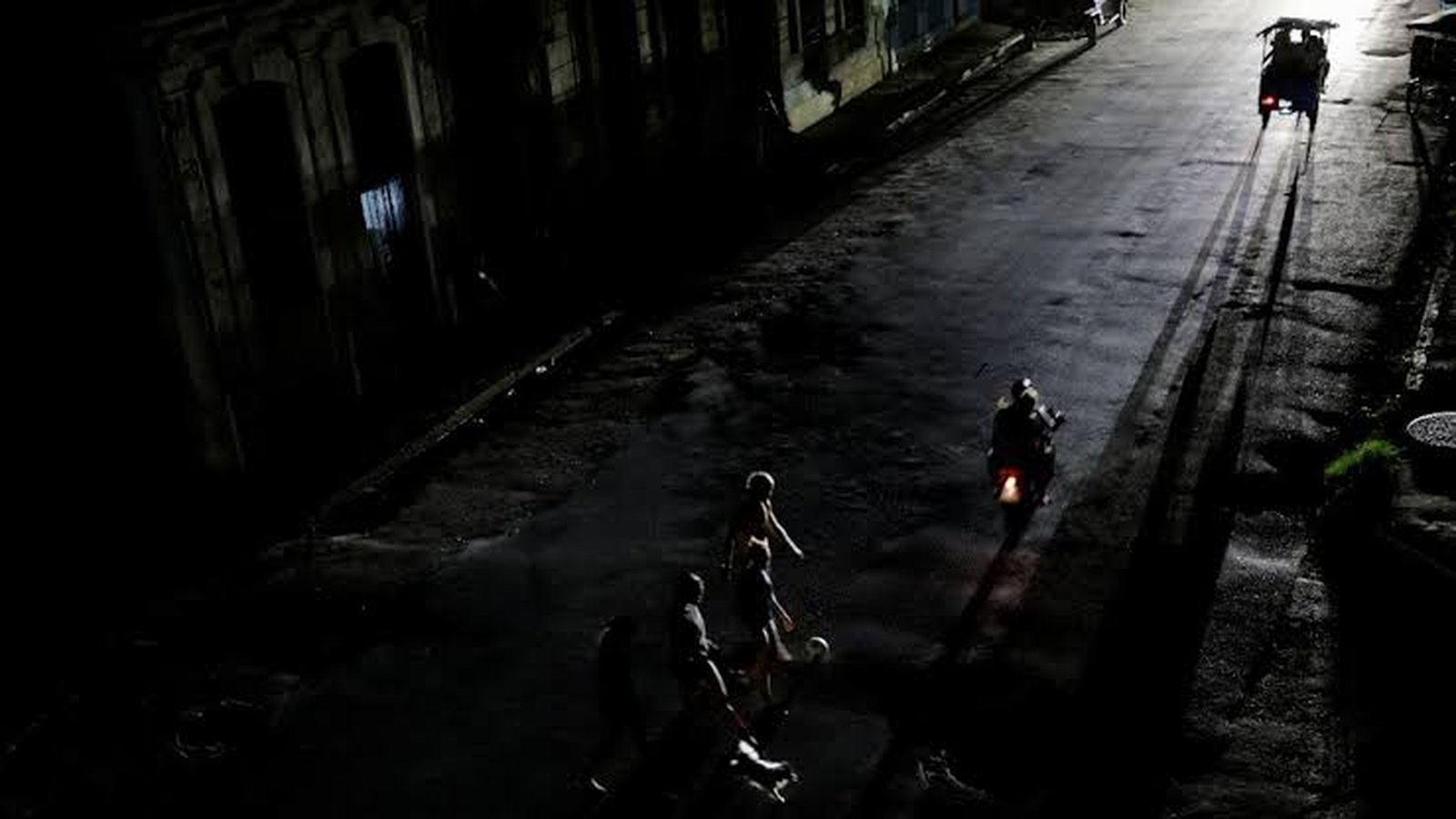
A System Under Pressure
From Ontario to Tripoli, the infrastructure that powers the modern world is showing systemic signs of failure. Recent data suggests that electricity grids globally are buckling under the twin pressures of aging assets and surging demand. In Canada, a nation historically defined by energy surpluses, policy shifts and regulatory hurdles have transformed the country into a net importer of electricity from the United States. This trend mirrors a broader, unsettling pattern of grid instability appearing across four continents.
The issue is not limited to developing economies. In the United States, former Federal Energy Regulatory Commission (FERC) chair Jon Wellinghoff has warned that the American grid remains vulnerable to coordinated attacks on just nine key substations, potentially causing nationwide blackouts lasting up to 18 months. Compounding this risk is the physical degradation of the grid: over 75% of distribution transformers are now past their intended 50-year lifespan. Supply chain constraints have further complicated the situation, with replacement times for large-scale grid components stretching to 128 weeks.
Regional Fragility and Industrial Impact
The human and economic costs of this instability are becoming increasingly visible. In Indiana, a recent storm left 75,000 residents without power for over a week, highlighting the fragility of localized distribution networks. Meanwhile, in Syria, industrial facilities along the Aleppo Highway are struggling to maintain operations as they share a single, overloaded power line. Factory owners face the prospect of being disconnected entirely as authorities prioritize essential services over industrial output.
In Libya, the crisis has taken a more volatile turn. The General Electricity Company (GECOL) has reported that protests and unauthorized tampering with substations are threatening to trigger a total national grid collapse. Venezuela faces a similar predicament; acting President Delcy Rodríguez has ordered rationing as daily outages in manufacturing hubs like Valencia reach up to seven hours. These cases illustrate that when infrastructure fails to meet basic demand, it quickly evolves from a technical maintenance issue into a significant political and social security challenge.
The Hidden Cost of Stability
Even regions that pride themselves on reliability are not immune. In Britain, a leaked internal report revealed that National Grid engineers had raised concerns about systemic instability for two years before the information became public. The report indicates that inaccurate energy forecasting and reduced system visibility have led to inflated balancing costs, which are ultimately passed on to consumers. As the world navigates this transition, the consensus among experts is that electricity is no longer a guaranteed background utility, but a contested resource that requires urgent policy discipline and capital investment.