


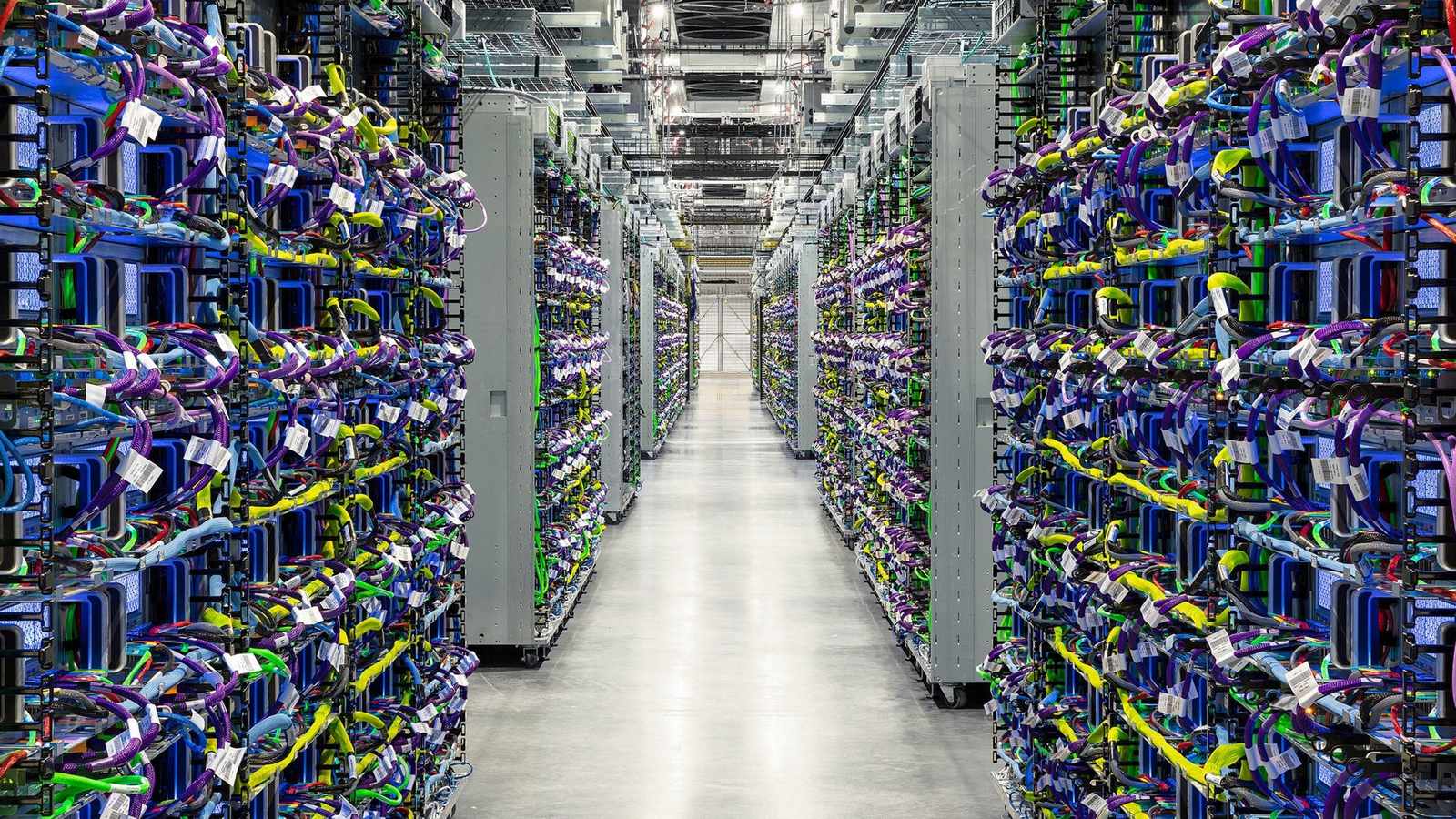
Google, in partnership with the University of California San Diego (UCSD), is initiating a pilot project to repurpose retired smartphone motherboards into a functional, low-carbon data center. Scheduled for launch in the fall of 2026, the facility will utilize 2,000 Pixel smartphone boards to provide cloud computing resources for university research and classroom workloads.
According to project details, the process involves stripping retired phones down to their core motherboards, which house the processor, memory, and storage, while removing batteries, screens, and cameras to address safety and space concerns. These boards are then integrated into clusters managed via Kubernetes, allowing them to function as small-scale Linux servers.
Google reports that in performance benchmarks, the single-threaded performance of modern smartphone cores can compete with traditional data center server cores for specific workloads. The initiative aims to address the growing environmental impact of electronic waste—projected to reach 82 million tonnes by 2030—by extending the lifecycle of high-value hardware components. By reusing existing motherboards, researchers hope to mitigate the “embodied carbon” associated with manufacturing new server hardware.
While the project offers potential cost savings for educational institutions, the long-term viability remains subject to verification. Challenges such as hardware durability, cooling requirements for dense clusters, and the labor intensity of the teardown process will be evaluated during the 2,000-unit deployment. Should the pilot prove successful, it may establish a new model for managing secondary hardware cycles in high-performance computing environments.