


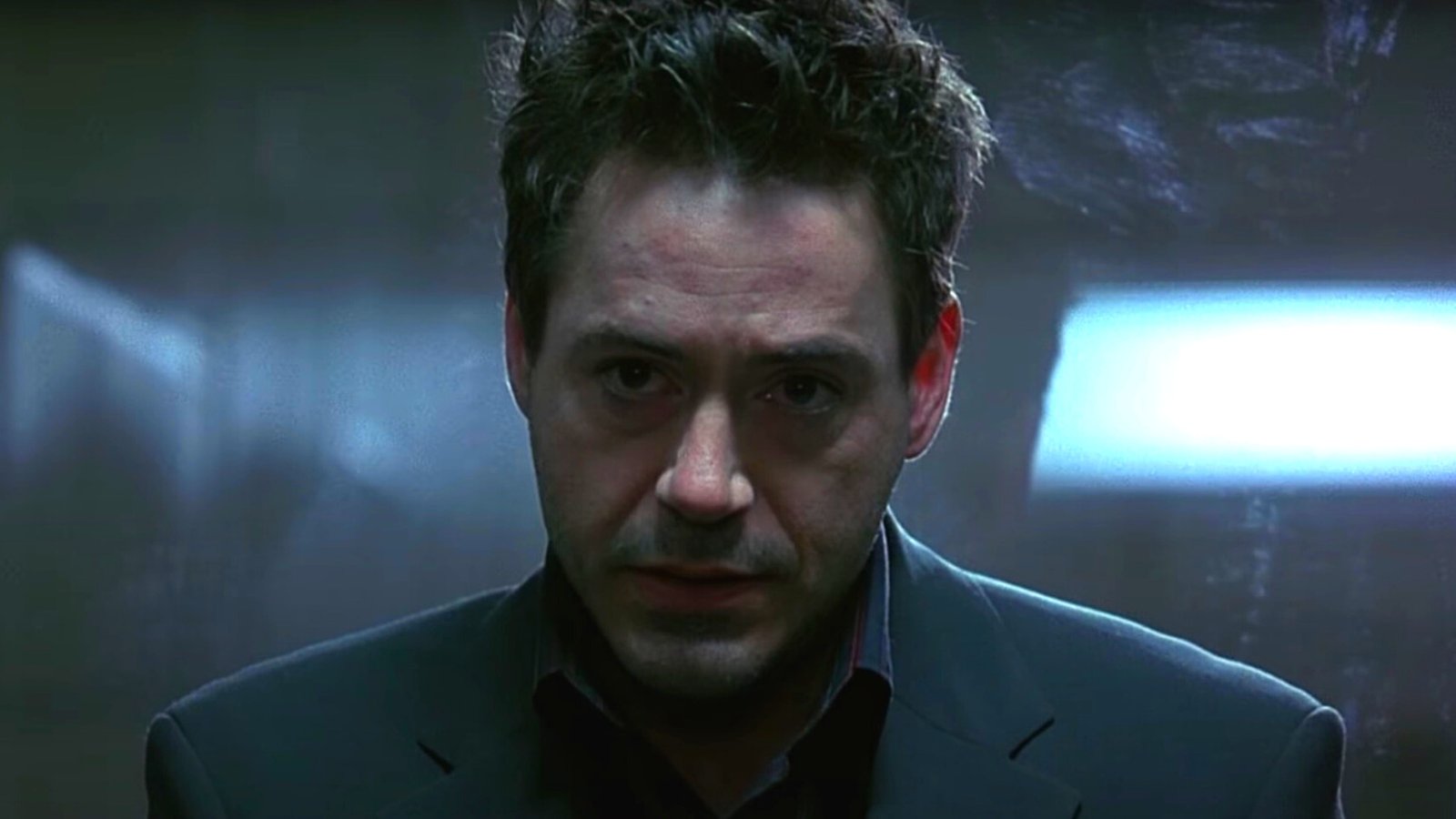
On September 1, 2026, Netflix expanded its streaming library with the addition of the 2003 psychological horror-thriller Gothika, as reported by Yahoo Entertainment via ComingSoon.net. Directed by Mathieu Kassovitz, the film features an ensemble cast led by Halle Berry, Robert Downey Jr., Penélope Cruz, and Charles S. Dutton. While the film originally received mixed critical reviews upon its theatrical release more than two decades ago, its arrival on the world’s leading streaming platform has sparked renewed interest—particularly regarding the pivotal role it played in the career trajectory of Robert Downey Jr.
A Dark Psychological Crucible: The Plot and Legacy of Gothika
Gothika follows the harrowing story of Dr. Miranda Grey (Halle Berry), a brilliant criminal psychiatrist working at the Woodward Penitentiary for Women. After a mysterious car crash on a stormy night, Miranda awakens to find herself incarcerated in the very institution where she worked, accused of committing a gruesome murder she has absolutely no memory of. As she struggles to maintain her sanity, she is treated by her former colleague, Dr. Pete Graham, played with a distinct, understated intensity by Robert Downey Jr.
The film’s dark, atmospheric visual style—penned by screenwriter Sebastian Gutierrez and captured by director Mathieu Kassovitz—was designed to evoke a sense of gothic isolation. At the time of its release, the film was a modest commercial success, grossing over $141 million worldwide against a $40 million budget, though critics often dismissed it as a formulaic thriller. However, the passage of time and the shifting dynamics of streaming media have allowed audiences to look past the initial critical consensus, finding value in the film’s tense atmosphere and the strong performances of its lead actors.
The Pivotal Pre-MCU Era of Robert Downey Jr.
To understand the significance of Gothika’s streaming resurgence, one must look back at the state of Robert Downey Jr.’s career in 2003. Years before he would become the cornerstone of the Marvel Cinematic Universe (MCU) as Tony Stark in 2008’s Iron Man, Downey was in the midst of a delicate career reconstruction. Following highly publicized personal struggles and legal challenges in the late 1990s and early 2000s, major Hollywood studios viewed him as a brilliant but financially risky talent.
Producer Joel Silver famously backed Downey for his role in Gothika, withholding a portion of his salary until filming was completed as an insurance measure. Downey’s performance as Dr. Pete Graham—a character who oscillates between supportive colleague and skeptical authority figure—proved to the industry that he was still capable of delivering disciplined, high-caliber performances in mainstream studio films. The role demonstrated his ability to command the screen in darker, morally ambiguous genres, laying the groundwork for his subsequent mid-2000s comeback.
From Dr. Pete Graham to Doctor Doom: Connecting the Dots
The timing of Gothika’s Netflix release is highly strategic, coinciding with a wave of global anticipation surrounding Downey’s dramatic return to the Marvel Cinematic Universe. Following his departure from the franchise in 2019, Marvel Studios shocked the entertainment industry by announcing that Downey would return not as Iron Man, but as the iconic villain Victor von Doom (Doctor Doom) in the upcoming film Avengers: Doomsday.
For modern audiences, revisiting Downey’s work in Gothika provides a rare look at his capacity for playing characters wrapped in psychological tension and skepticism. Unlike the charismatic, quick-witted heroism of Tony Stark, Dr. Pete Graham represents a more grounded, analytical, and occasionally cold persona. Analysts and fans alike are utilizing this streaming window to study Downey’s older, darker roles to project how he will handle the complex, villainous psychology of Doctor Doom. The stakes are immense; Downey must prove that his drawing power extends beyond the beloved superhero archetype into the realm of classic, multi-dimensional antagonists.
A High-Stakes Streaming Window for Netflix
Netflix’s late-summer programming block is highly competitive, with Gothika arriving alongside several other high-profile releases. The platform’s schedule for the week of August 31 to September 6, 2026, also highlights the premiere of Guy Ritchie’s highly anticipated series The Gentlemen Season 2 on September 3, alongside classic blockbusters like Alien (1979) and Scarface (1983). By placing a vintage psychological thriller featuring one of Hollywood’s most talked-about stars in this lineup, Netflix continues to leverage the star power of legacy actors to drive engagement for older catalog titles, demonstrating that a star’s current news cycle can breathe new life into their past work.