


MANAMA, Bahrain (Azat TV) – Gulf Arab states are urgently seeking a diplomatic off-ramp amid mounting fears that a renewed round of U.S. and Israeli military strikes against Iran could trigger a far more destructive regional war, according to a report published by The Guam Daily Post on November 2, 2026. Months of missile and drone barrages have already inflicted severe economic contractions and strained air-defense interceptor stocks across the region, leaving regional governments to shoulder the collateral costs of a conflict they did not initiate.
Speaking at the International Institute for Strategic Studies’ Manama Dialogue in Bahrain on Sunday, Anwar Gargash, diplomatic adviser to the United Arab Emirates’ president, voiced the deepening alarm of Gulf capitals. “We find ourselves drawn within a crisis that we worked diplomatically very hard to try to avert,” Gargash told the forum. “We are clearly seeking a political off-ramp.” His comments reflected a broader regional consensus opposing new military escalations, even as U.S. President Donald Trump has maintained that Washington and Israel would “finish the job” in Iran if peace talks remain deadlocked.
Economic Toll and Diminishing Interceptor Stocks
The first phase of the conflict, which began on February 28, 2026, has exacted a heavy toll on regional stability. Iran has fired thousands of missiles and drones at Gulf states, striking critical infrastructure including oil facilities, airports, and power plants. These barrages have killed and injured dozens of civilians while heavily damaging regional economies. According to International Monetary Fund projections cited in The Guam Daily Post report, Saudi Arabia’s economy is expected to shrink by 3.3% this year, with steeper contractions anticipated in Kuwait and Qatar.
Simultaneously, the sustained aerial bombardment has severely depleted air-defense interceptor stocks across the region. A report published by IISS on Friday highlighted that Gulf forces are confronting global shortages of advanced interceptor technology while the U.S. and Israel prioritize their own military supplies. The exorbitant financial cost of using sophisticated missiles to intercept low-cost drones has forced Gulf armed forces to increasingly rely on attack helicopters, fighter jets, anti-aircraft guns, and electronic jammers.
Tehran’s Enhanced Military Posture and Regional Warnings
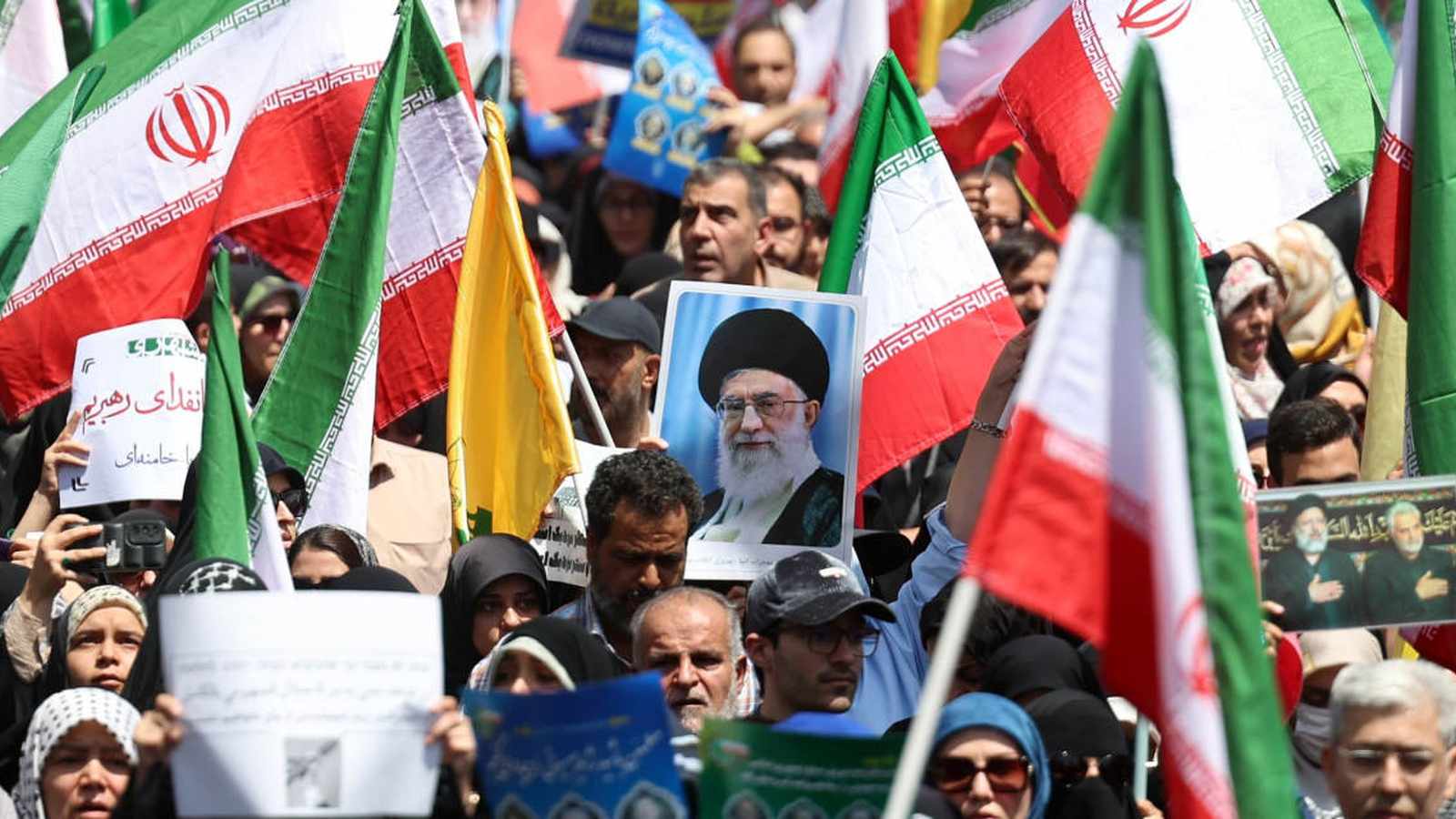
Adding to regional anxiety, Iranian leadership has issued stern warnings regarding its readiness for a renewed confrontation. On Saturday, Supreme Leader Mojtaba Khamenei ordered military commanders to prepare for immediate retaliation without geographical limits and to expand their list of potential U.S. and Israeli targets. Iranian state media reinforced these directives, noting that the armed forces would determine the timing and conditions for ending any renewed hostilities.
Western intelligence and security analysts indicate that Tehran is significantly better prepared for a second round of fighting. Emile Hokayem, senior fellow for Middle East security at IISS, noted that Iran’s military institutions have demonstrated an institutional capacity to learn and adapt from the initial February strikes. Furthermore, Western officials reported in October that Tehran has preserved sufficient missile and drone production capacity, retaining substantial ballistic missile stockpiles alongside supplies reportedly facilitated by Russia.
Diplomatic Scramble and Strategic Re-evaluations
In a race to avert a broader conflagration, senior officials from Saudi Arabia, Turkey, and Pakistan traveled to Tehran last week, while Qatari mediators conducted intensive talks in both Tehran and Doha. However, profound structural gaps remain between the warring sides. Iran demands the lifting of the U.S. naval blockade, the easing of sanctions, and the release of frozen assets before reopening the Strait of Hormuz, whereas Washington insists on strict nuclear concessions.
The diplomatic friction has exacerbated underlying political tensions between Gulf states and their security patrons. Hasan Alhasan, a senior fellow for Middle East policy at IISS, observed that the conflict has exposed deep regional disappointment with Washington’s erratic conduct and its decision to prioritize Israeli defense over the security of its Gulf partners. As regional stakeholders navigate these high-stakes diplomatic channels, the overriding fear in Manama and other Gulf capitals is that a renewed military campaign will plunge the wider Middle East into an irreversible cycle of destruction.