


A Stalled Diplomatic Push
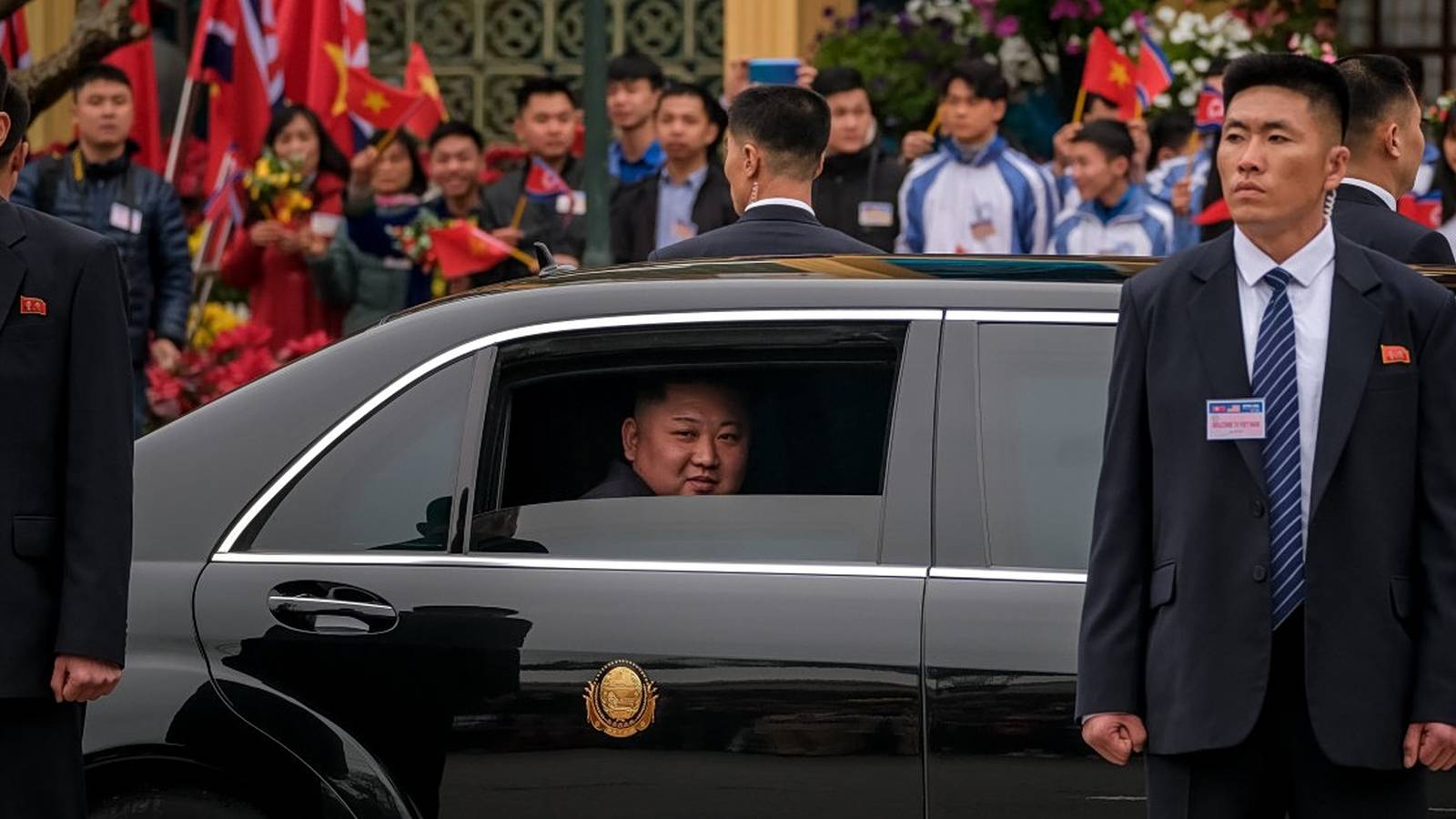
As of late November 2026, fresh attempts by the U.S. administration to establish direct communication with North Korean leader Kim Jong Un have stalled, with Pyongyang consistently ignoring outreach efforts. According to reporting in The Wall Street Journal, U.S. officials attempted to deliver a letter to North Korean representatives in New York, only for the missive to be returned unopened. During a recent trip to Asia, attempts to arrange a last-minute summit between President Trump and Kim Jong Un failed after the North Korean side proposed conditions that Washington deemed unacceptable. The diplomatic freeze occurs against a backdrop of significant shifts in the regional security landscape. While previous U.S. administrations centered their North Korea policy on complete, verifiable denuclearization, the current trajectory suggests a hardening status quo. U.S. intelligence assessments have repeatedly noted that Kim Jong Un has no intention of negotiating away his strategic weapons programs, a reality that has complicated the administration’s search for a legacy-defining diplomatic achievement.
The Expansion of North Korea’s Nuclear Capabilities
Since the 2019 summit in Hanoi, North Korea’s nuclear capabilities have grown substantially. Estimates indicate that the regime’s stockpile has expanded from approximately 20–30 warheads to roughly 60. Furthermore, the development of solid-fuel intercontinental ballistic missiles has increased the reach of Pyongyang’s arsenal, creating a credible threat to the U.S. mainland. This technological advancement, coupled with increased alignment with Moscow and the use of illicit cryptocurrency operations to bypass sanctions, has provided the Kim regime with a robust defense against international pressure. The Pentagon’s latest National Defense Strategy reflects this shift. In a departure from previous policy documents, the strategy omits the traditional call for North Korean denuclearization, instead labeling the country a “clear and present danger of nuclear attack.” This acknowledgment underscores a growing consensus among analysts that the U.S. may be entering an era where it must contend with a permanent, albeit unacknowledged, nuclear-armed state on the Korean Peninsula.
Shifting Diplomatic Stakes and Regional Tensions
The administration’s internal discussions regarding a potential summit have included proposals that would have been unthinkable during earlier diplomatic cycles. These included exploring a formal end to the Korean War and the establishment of liaison offices—steps that would move toward normalizing relations without requiring immediate, total disarmament. However, even these incremental concessions have faced intense scrutiny. Experts warn that recognizing North Korea as a nuclear state, or engaging in talks without a clear path to denuclearization, could alienate key allies in South Korea and Japan who rely on the U.S. security umbrella. Despite these high stakes, the administration’s policy infrastructure remains fragmented. The special envoy role for North Korea policy has remained vacant, and the national-security strategy has notably excluded the country from its core focus. As it stands, the two sides remain at an impasse: the U.S. continues to signal a desire for engagement, while Pyongyang remains focused on securing international recognition as a nuclear power, threatening “eternal confrontation” if its status is not accepted.
The Erosion of Traditional Denuclearization
For decades, Washington pursued the goal of “Complete, Verifiable and Irreversible Dismantlement” (CVID). However, the current environment has seen this objective hollowed out. Analysts note that President Trump’s recent public acknowledgment of North Korea’s substantial nuclear arsenal—often cited as roughly 57 to 60 weapons—is being treated as a baseline fact rather than a policy failure. This shift towards transactionalism has created a vacuum where traditional guardrails are failing. South Korean leadership, while officially maintaining a policy of non-recognition regarding Pyongyang’s nuclear status, has been forced to navigate a narrowing margin where neither great power is prioritizing actual disarmament. The danger is that a new summit, if it were to occur, might inadvertently validate Beijing’s preferred “status-quo management” approach, effectively cementing North Korea’s nuclear status as a diplomatic reality. This evolution threatens to transform denuclearization from an actionable policy goal into a mere diplomatic fiction, leaving regional allies increasingly vulnerable to a nuclear-armed neighbor that has successfully leveraged its weaponry and illicit financial gains to withstand decades of sanctions and isolation.