


A Prolific Career in Hollywood
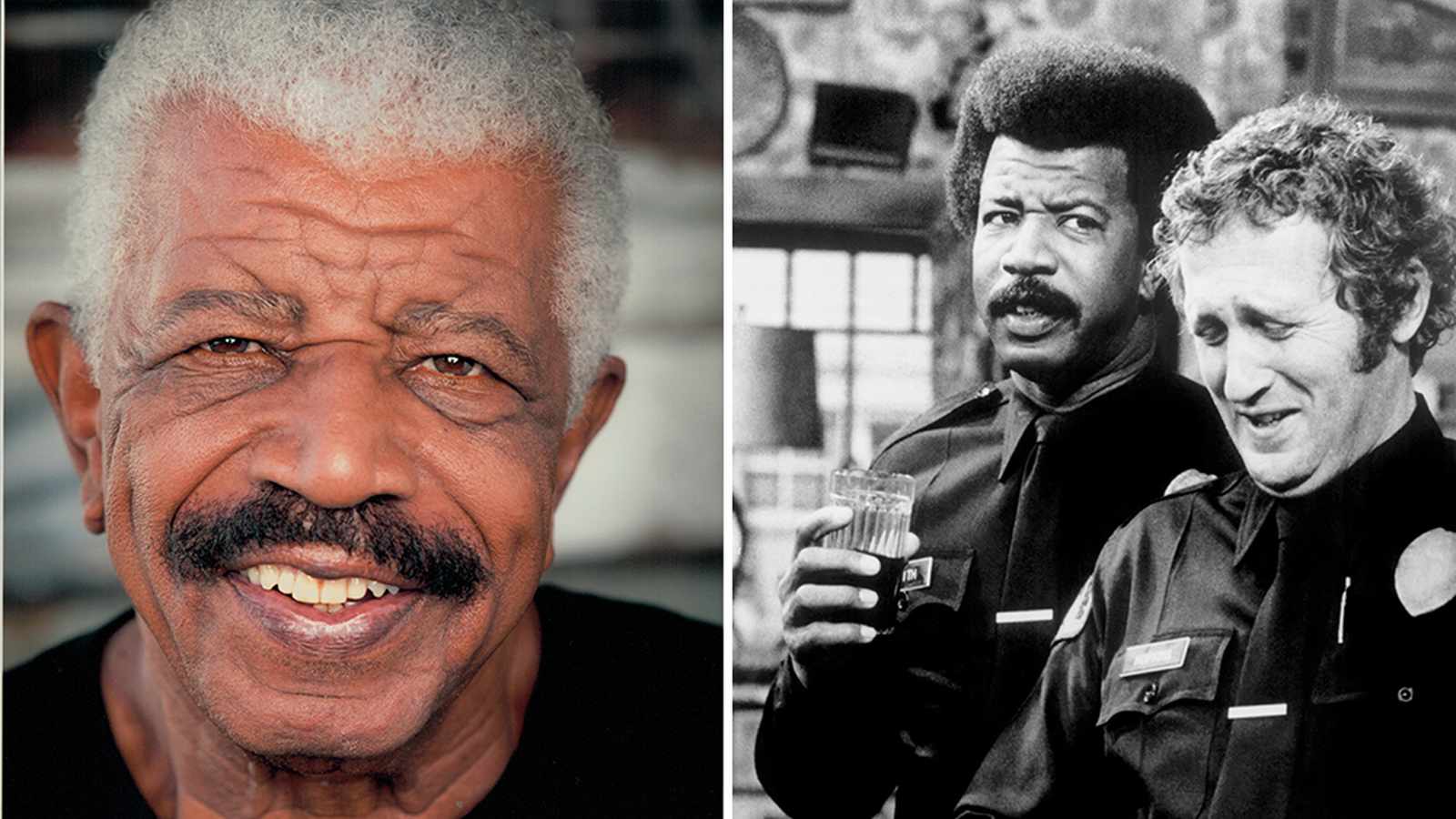
Hal Williams, the veteran actor best remembered for his roles as Officer “Smitty” Smith on Sanford and Son and Lester Jenkins on 227, has died at his home in Rancho Mirage at the age of 91. His representative confirmed the news, marking the end of a career that spanned nearly six decades of consistent, high-impact work in television and film.
Known for his versatility, Williams was a constant presence on American television throughout the 1970s, 80s, and beyond. His portrayal of Officer Smitty, one half of a crime-fighting duo alongside Howard Platt’s Officer “Hoppy” Hopkins, became a cultural touchstone. Williams once shared that the chemistry and comedic timing of the pair were largely developed during rehearsals, with producers encouraging them to improvise when scripts lacked specific punchlines.
Sitcom Icon and Character Actor
Beyond Sanford and Son, Williams was a fixture in prime-time television. He appeared in 24 episodes of On the Rocks and held a recurring role as Sgt. Ted Ross in the Private Benjamin television adaptation. From 1985 to 1990, he played Lester Jenkins on 227, a series lauded for its portrayal of Black middle-class life, starring alongside Marla Gibbs, Jackée Harry, and Regina King.
His resume was vast, including guest appearances on iconic shows such as The Dick Van Dyke Show, Gunsmoke, Magnum P.I., and Parks and Recreation. In his later years, he remained active, recently appearing in the CBS reboot of Matlock as the character Autry.
Film Contributions and Philanthropy
Williams also established a robust film career, with credits ranging from Paul Schrader’s Hardcore to Clint Eastwood’s The Rookie and Robert Zemeckis’ Flight, where he played the father of Denzel Washington’s character.
Off-screen, Williams was deeply committed to supporting the next generation of artists. He served as a board member for the Los Angeles Actors’ Theatre and founded the Mark K.A. Williams Memorial Scholarship Foundation, named in honor of his late son. The foundation provides critical financial support to students of color pursuing degrees in communications and broadcasting, ensuring his legacy extends well beyond his screen performances.