


Legal Consequences for Viral Stunts
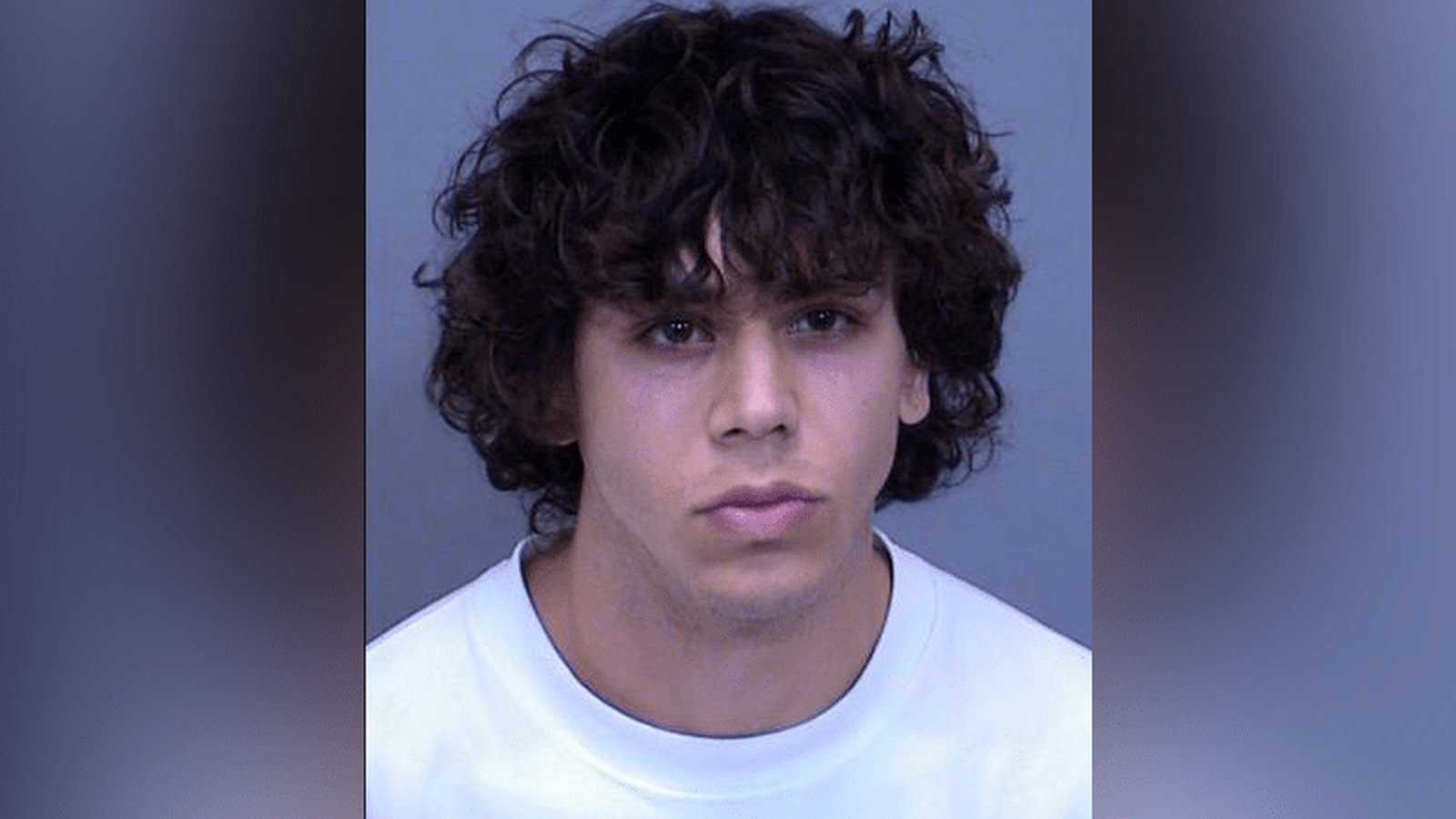
Heston James Cobb, a social media influencer known online as “Heston James,” has pleaded guilty to criminal impersonation in Arizona. The plea, entered on Friday, follows a series of disruptive “takeover” pranks in which Cobb and associates posed as employees at various businesses in the Phoenix area.
Cobb, 21, was originally arrested in July 2025 after law enforcement linked him to multiple incidents where he entered employee-only areas of local establishments and refused to vacate the premises. In one widely circulated video, Cobb wore a Chipotle Mexican Grill uniform and informed staff he was there to “clean house,” before a group of associates flooded the restaurant, interfering with operations and ignoring requests to leave. Reports indicate he has faced six felony charges related to these activities.
Industry and Academic Response
The guilty plea has drawn attention from industry leaders concerned about the impact of social media stunts on small businesses. Steve Chucri, president of the Arizona Restaurant Association, characterized the behavior as unacceptable, noting the rising operational costs in the industry. “There’s no place for it,” Chucri stated, emphasizing that businesses should not have to contend with such disruptions for the sake of viral content.
Experts in digital media suggest this case serves as a critical boundary test for content creators. Matthew Pittman, a social media professor at the University of Tennessee, Knoxville, noted that the arrest serves as a warning that “real-world norms and laws” remain applicable regardless of the intent to create online content. “Doing something that is illegal in real life would also be illegal on social, even if you are doing it for content,” Pittman said.
Beyond the legal framework, some observers have raised concerns regarding the ethics of such pranks. Cara Hawkins-Jedlicka, a communications professor at Washington State University, argued that influencers must balance their pursuit of engagement with empathy. She observed that these stunts often prioritize the creator’s own gain while disregarding the community and the individuals forced to manage the resulting chaos.