


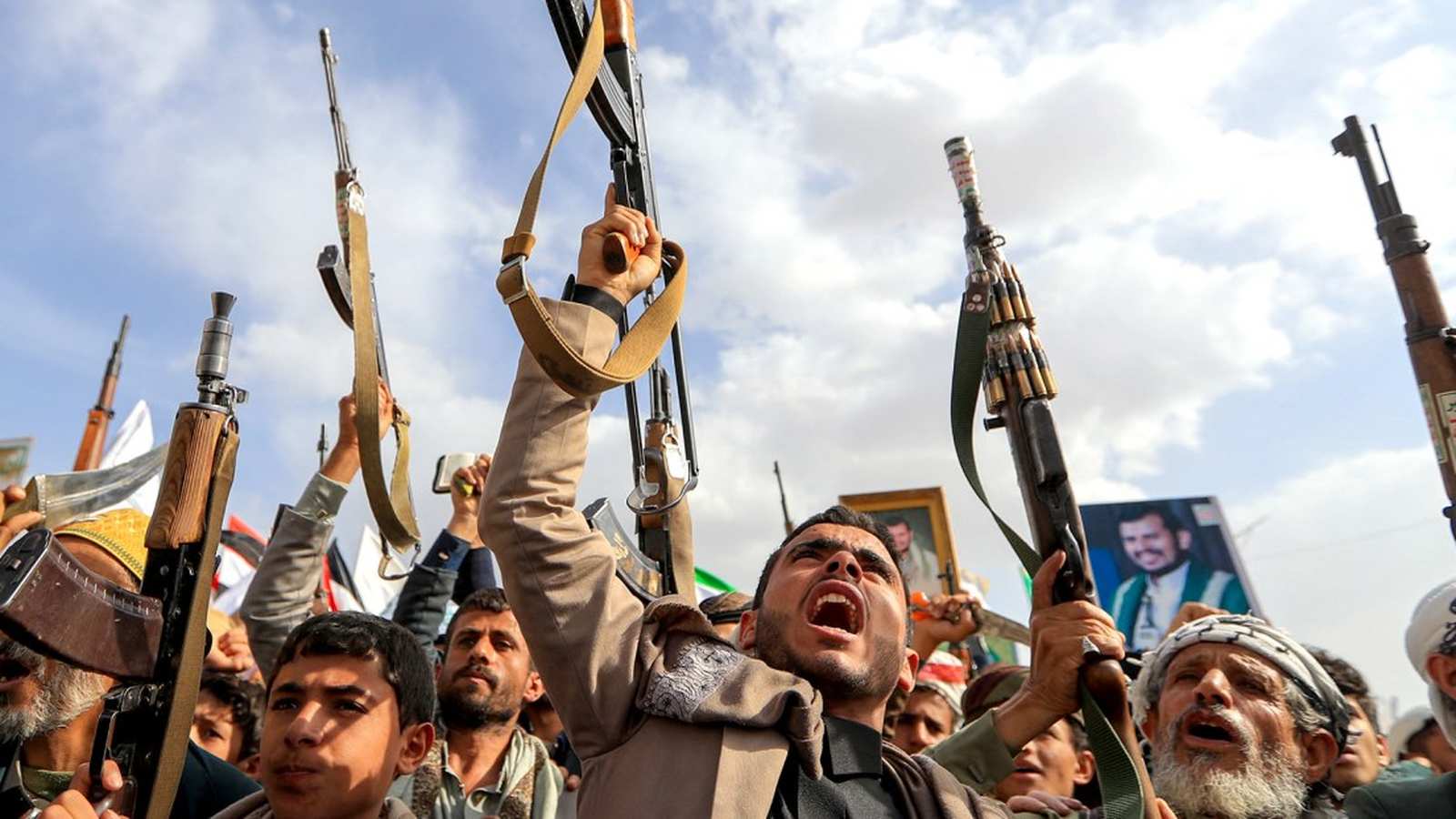
Escalation in the Red Sea
Yemen’s Iran-backed Houthi rebels launched a coordinated strike involving missiles and drones against Saudi Arabian oil facilities in the cities of Yanbu and Jizan on Saturday, July 25, 2026. The operation marks a sharp escalation in regional hostilities, serving as a direct retaliation for recent Saudi-led coalition airstrikes on the Yemeni port city of Hodeida.
Brig. Gen. Yahya Saree, the military spokesman for the Houthis, confirmed the strikes in a prerecorded statement, identifying facilities belonging to Aramco—the world’s largest oil company—as the primary targets. While Saudi civil defense officials reported that sirens were activated early Saturday in both Yanbu and Jizan, the Kingdom has not provided further details regarding damages or casualties.
Strategic Risks and Maritime Security
The latest confrontation has heightened concerns regarding the security of the Bab el-Mandeb Strait. This narrow maritime chokepoint, located at the southern tip of the Arabian Peninsula, is vital to global commerce, facilitating approximately 12% of international trade and nearly 25% of global container traffic. Houthi leadership has explicitly threatened to block the strait to shipping vessels linked to Saudi Arabia, a move that could significantly disrupt global supply chains and energy markets.
The cycle of violence intensified earlier this week when Houthis targeted two Saudi oil tankers in the Red Sea. In response, the Saudi-led coalition launched airstrikes on Hodeida. While the coalition maintained that it struck “legitimate military targets” linked to maritime threats, Houthi-run health ministry spokesman Anees al-Asbahi reported that the strikes hit the port and a state-run telecommunications corporation, leaving two individuals injured.
Broader Regional Context
This flare-up occurs against the backdrop of broader regional instability. While Iran experienced its first night without U.S. strikes in nearly two weeks, tensions remain elevated following a series of maritime confrontations in the Strait of Hormuz. U.S. and Iranian forces have engaged in multiple skirmishes, including U.S. strikes on dozens of Iranian targets following the deaths of three American service members in Jordan last weekend.
Diplomatic efforts to de-escalate remain fragile. Iran’s Foreign Minister Abbas Araghchi, in an interview published Saturday, advocated for “diplomacy and dialogue” to resolve the conflict, distancing the state from further military confrontation. However, the U.S. State Department and military command continue to monitor the situation, with U.S. embassies warning citizens in the region that exit options may become increasingly constrained as the risk of wider conflict persists.