


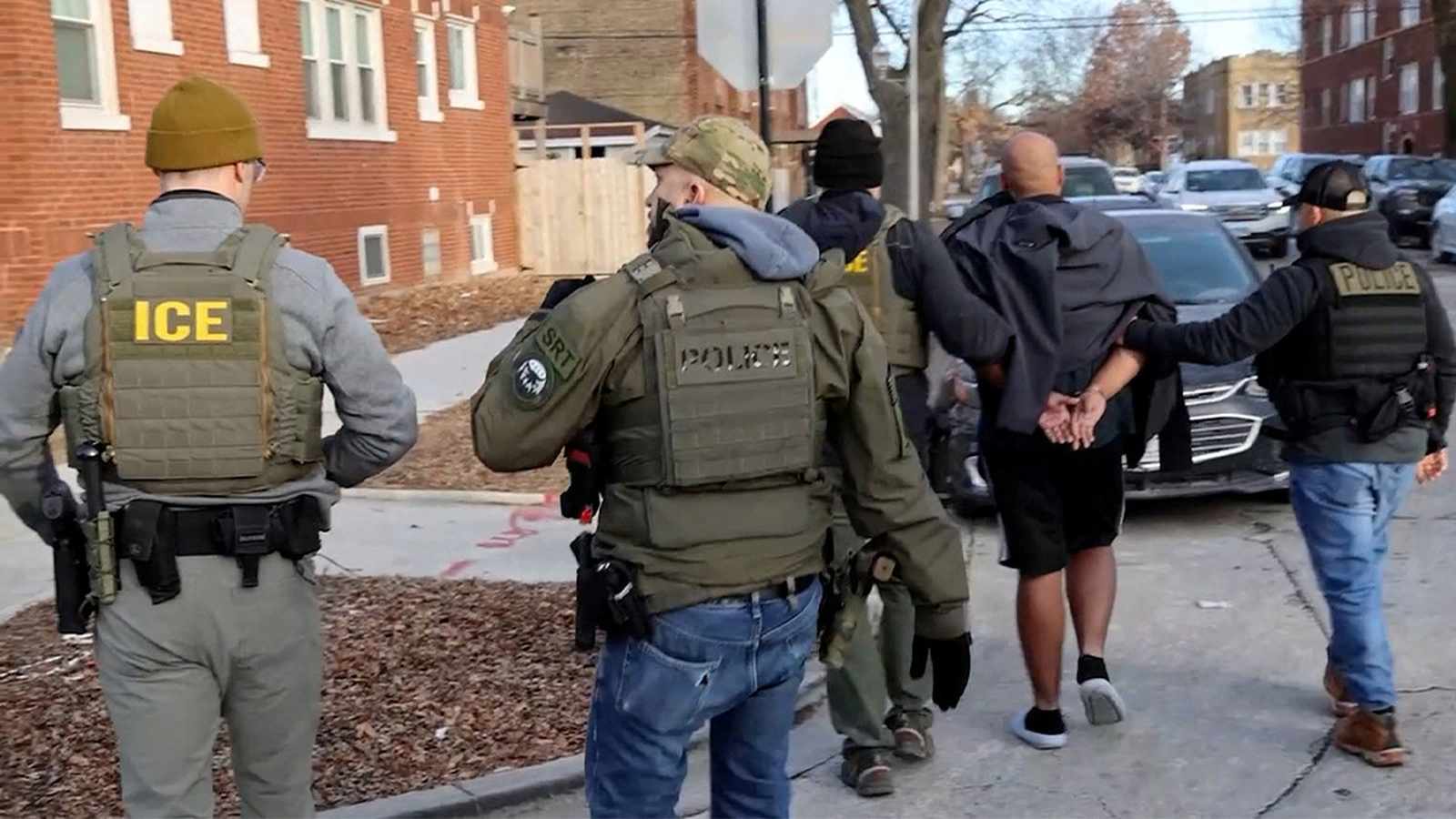
U.S. Immigration and Customs Enforcement (ICE) faces a complex period of transition as recent administrative adjustments have led to a nearly 12% decline in weekly arrests nationally. While the Department of Homeland Security continues to prioritize national security and the investigation of transnational crime, the agency finds itself at the center of a volatile political debate regarding the fundamental structure of immigration enforcement. This shift in operational tempo, following internal leadership changes and intense public scrutiny, underscores the tension between border security mandates and the protection of civil liberties.
Institutional Accountability and Due Process
The agency’s operational conduct remains under intense observation, particularly following reports of deaths in custody and the rising share of arrests involving individuals without criminal records. In instances such as the death of 19-year-old Royer Perez-Jimenez at the Glades County Detention Center, families and civil rights advocates have questioned the transparency of internal investigations. These incidents highlight the necessity for rigorous oversight to ensure that the agency’s “paramilitary” capabilities do not supersede constitutional protections or the right to due process, a concern frequently voiced by both legal scholars and political candidates.
The Human Impact of Enforcement
For the Armenian-American community and other immigrant populations, these policy fluctuations carry tangible risks. Recent cases, such as the arrest of individuals under surveillance for minor status infractions, demonstrate that enforcement strategies remain unpredictable. Furthermore, the prevalence of impersonation cases—such as the recent conviction of a San Diego man posing as a federal agent—complicates the environment for law enforcement, making it difficult for communities to distinguish between legitimate authority and criminal actors. As the political discourse trends toward either reform or total restructuring of the agency, the focus must remain on the humanitarian costs and the preservation of a system that respects the rule of law rather than relying on punitive mechanisms that lack accountability.
More on united states immigration and customs enforcemen