


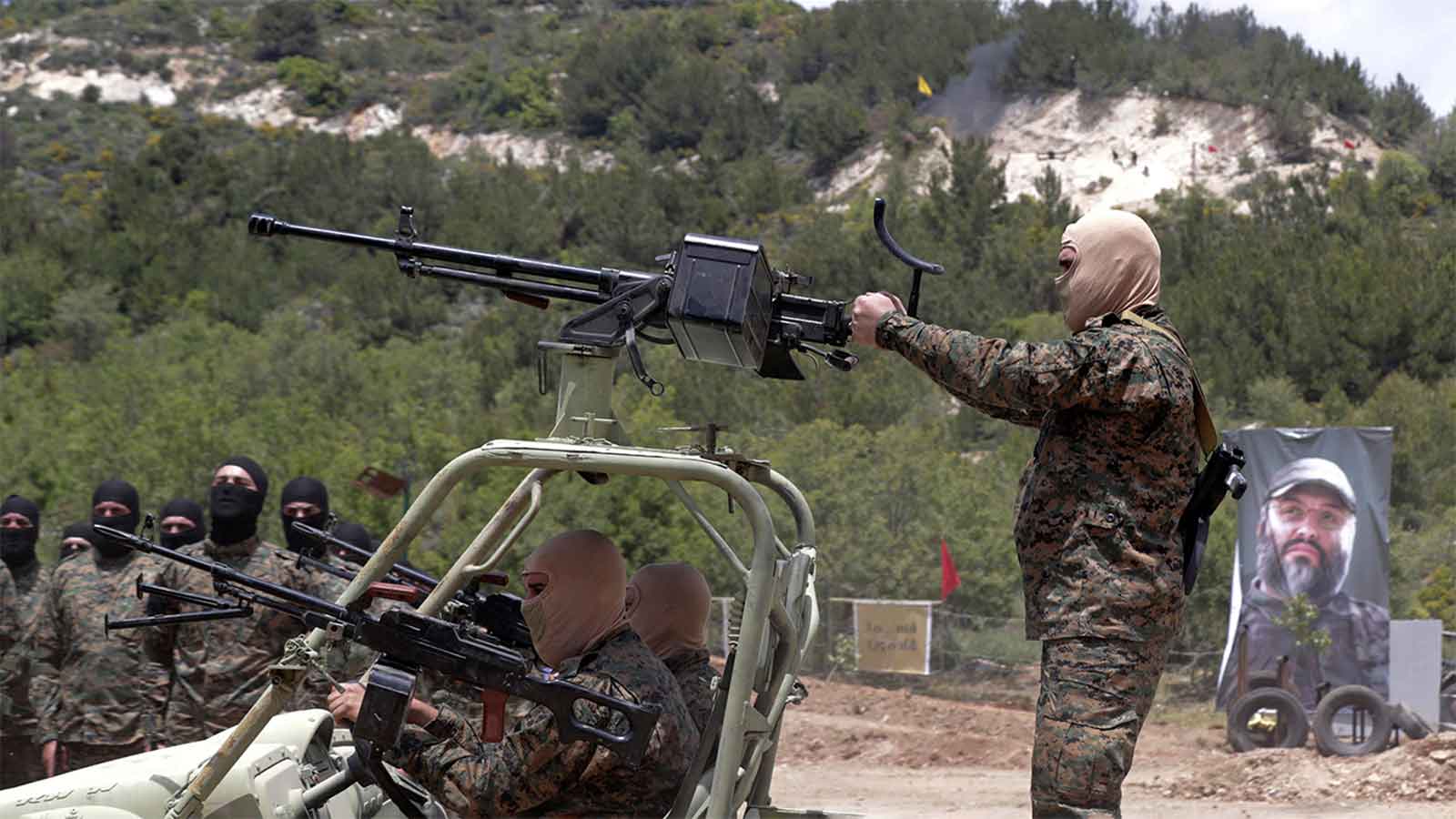
IDF Airstrikes Hit Hezbollah Smuggling Routes in Southern Lebanon
On Saturday, November 8, the Israeli Defense Forces (IDF) confirmed a series of precise airstrikes targeting Hezbollah operatives in southern Lebanon. According to military statements and coverage by Jerusalem Post and i24NEWS, the operations focused on disrupting weapon smuggling efforts that violate the ongoing ceasefire. The strikes, which included attacks on storage facilities and personnel associated with the group’s military infrastructure, represent a calculated escalation in Israel’s efforts to keep Hezbollah’s capabilities in check.
Just days before, the Israel Air Force had launched airstrikes against the Radwan Force’s weapons storage sites in several Lebanese villages. Before the attacks, Israeli authorities issued multiple warnings to civilians, urging evacuation to minimize casualties. Despite these precautions, the strikes have deepened anxieties on both sides of the border, with smoke rising from affected sites in the Tyre district, as reported by local Lebanese sources.
Weapon Smuggling and Ceasefire Violations: The Details
The IDF’s latest strikes targeted two Hezbollah-affiliated terrorists identified as active participants in weapon smuggling operations. The military emphasized that these actions were taken in direct response to ongoing violations of the ceasefire agreement. In one instance, a Hezbollah operative was killed in the Baraashit area while reportedly engaged in rehabilitating infrastructure for future militant activities.
Sources close to the IDF assert that these attacks are not intended as a prelude to a renewed full-scale war but rather serve as a strategic warning. The goal is clear: to prevent Hezbollah from rebuilding its military strength and to pressure Lebanese authorities to uphold their commitments to disarm the group. Major General Rafi Milo, head of IDF Northern Command, addressed regional leaders, stating, “We know we need to be determined to attack, to strike, and to destroy to keep Hezbollah weak.”
The strikes also highlight the complex reality along the Israel-Lebanon border. Tank patrols have become a familiar sight, underscoring the persistent tension and the potential for rapid escalation. The presence of Israeli forces near the border is both a deterrent and a signal of readiness.
Hezbollah’s Response and the Political Fallout
Hezbollah, for its part, has maintained a defiant posture. In statements cited by Reuters, the group argued that while Lebanon remains bound by a ceasefire, it is under no obligation to enter political negotiations with Israel. This rhetorical stance reveals the deep mistrust and divergent priorities that shape the conflict’s ongoing narrative.
Lebanon’s government finds itself in a precarious position. On one hand, there is pressure from the international community and Israel to rein in Hezbollah’s military activities. On the other, Hezbollah’s entrenched role in Lebanese society and politics complicates any efforts to enforce disarmament. The recent strikes have amplified calls for a national dialogue, but the path forward remains clouded by internal divisions and regional rivalries.
The broader implications for Lebanon are significant. The country faces economic challenges, political fragmentation, and the ever-present threat of spillover violence. With Israeli strikes targeting infrastructure and personnel linked to Hezbollah, local communities in southern Lebanon bear the brunt of the conflict, fueling grievances and fears of further instability.
Regional Impact: What Comes Next?
The escalation between Israel and Hezbollah is not occurring in isolation. Events in Gaza and the wider Middle East continue to influence the calculus on both sides. As reported by i24NEWS, the IDF has also been involved in operations in Gaza, including efforts to recover the remains of hostages and confront other militant groups. These parallel conflicts create a volatile environment where missteps or provocations can quickly spiral.
The international community, meanwhile, watches with concern. Humanitarian organizations like the Red Cross remain active, trying to mitigate the impact on civilians and facilitate dialogue. Yet, the underlying issues—a lack of trust, competing national interests, and the enduring legacy of past wars—make a durable peace elusive.
For residents of southern Lebanon, the recent airstrikes are a stark reminder of their vulnerability. Villages targeted in the attacks face not only physical destruction but also the social and economic aftershocks of disrupted daily life. Reports from local media detail the evacuation efforts and the challenges of rebuilding in the shadow of ongoing hostilities.
Analysis: Strategic Calculus and the Road Ahead
Israel’s decision to target Hezbollah’s weapon smuggling networks reflects a broader strategy of containment and deterrence. By striking at the logistical backbone of Hezbollah’s military operations, the IDF aims to slow or halt the group’s rearmament, buying time and leverage in any future negotiations. The repeated warnings to civilians underscore a desire to minimize casualties, but the risk of escalation remains high.
Hezbollah’s refusal to engage in political dialogue with Israel and its ongoing commitment to rebuilding its infrastructure signal that the conflict is far from over. Both sides are engaged in a high-stakes game where military action, political maneuvering, and international pressure intersect.
Ultimately, the fate of southern Lebanon—and the wider region—depends on whether these strikes succeed in compelling meaningful change. The coming weeks will be crucial, as all parties weigh their next moves amid an atmosphere of uncertainty and tension.
The IDF’s targeted strikes against Hezbollah in southern Lebanon reveal a calculated attempt to disrupt the group’s military resurgence, but also underscore the enduring complexities of the Israel-Lebanon conflict. While these operations may temporarily weaken Hezbollah’s capabilities, lasting peace will require more than military action—it will demand sustained political will, regional cooperation, and a genuine commitment to resolving deep-seated grievances.