


Escalation in Rhetoric
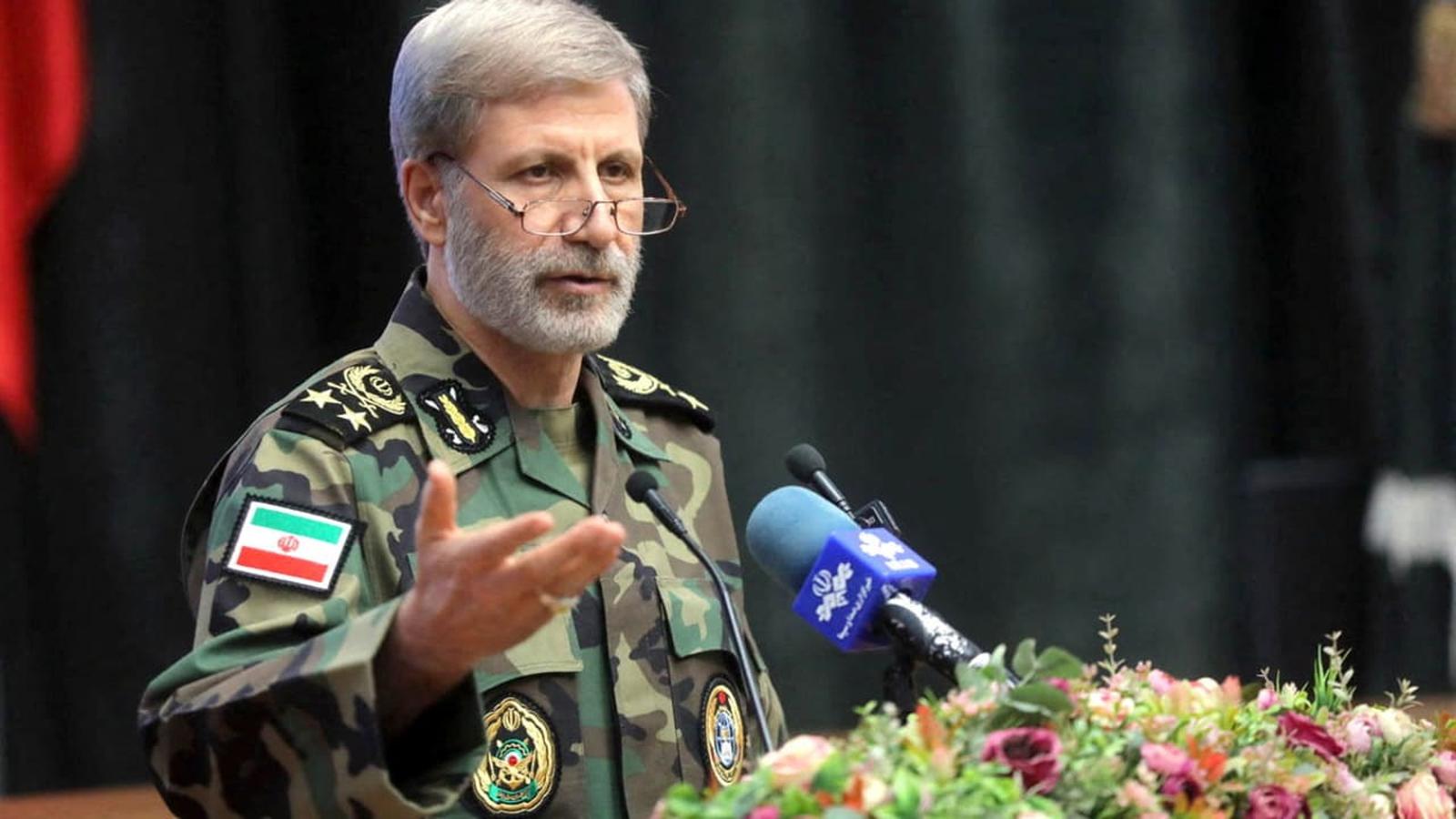
Iranian Army Commander-in-Chief Amir Hatami has announced a monetary bounty for the killing or capture of United States military personnel, signaling a sharp increase in official rhetoric as the conflict between Tehran and Washington continues. According to state-run media, the bounty is set at $30,000, with the reward doubling to $60,000 for any Iranian woman who carries out the act.
The announcement, which was publicized via the Islamic Republic of Iran Broadcasting (IRIB), follows what Hatami described as a high volume of requests from citizens seeking to participate in the conflict. In addition to the monetary reward, Hatami stated that any individual who succeeds in killing a US soldier would have their weapon purchased by the state at double its value and replaced with a new one, with the original weapon to be displayed in a planned museum.
Conflict Context and Strategic Stance
The hostilities between the two nations began on February 28, 2026, following coordinated strikes by the United States and Israel against Iranian targets. While an April ceasefire temporarily halted major operations after approximately 40 days of fighting, a subsequent diplomatic framework initiated in June has since collapsed. Despite these efforts, sporadic fire continues to characterize the standoff, particularly in the vicinity of the Strait of Hormuz and southern Iran.
Military analysts note that the bounty announcement lacks an immediate, practical application, as there is no confirmed, permanent deployment of US ground forces within Iranian territory. While a US rescue mission did occur in April to recover the crew of a downed F-15—during which Iranian forces reportedly damaged an A-10 ground attack aircraft—these operations remain rare and isolated. All 17 US military personnel reported killed since the start of the conflict were stationed outside of Iran, primarily in Iraq and Jordan.
Demands for Regional Withdrawal
Hatami used the announcement to reiterate Iran’s core strategic demand: the total withdrawal of US military forces from the Persian Gulf, the Gulf of Oman, and the Strait of Hormuz. He explicitly rejected claims made by US President Donald Trump regarding the future status of the Strait, labeling the administration’s rhetoric as “delusional” and asserting that Iran would no longer tolerate the presence of foreign military bases in its neighborhood.
The Iranian commander’s rhetoric appears aimed at domestic consolidation, framing the conflict as a breakdown of American hegemony. As indirect communication through mediators persists without a significant diplomatic breakthrough, the bounty serves as a public declaration of Iran’s refusal to normalize the current regional security architecture.