


India and Canada Approach Historic Uranium Supply Agreement
In a move that could redefine the nuclear energy landscape of South Asia, India and Canada are close to finalizing a landmark deal worth approximately US$2.8 billion. This agreement, set to span the next decade, will see Canadian uranium powering India’s nuclear plants and deepening a partnership that had recently been tested by diplomatic discord.
Cameco’s Role and the Strategic Scope
At the heart of this deal is Cameco Corp., Canada’s leading uranium producer. The company is expected to be the exclusive supplier for India’s growing fleet of nuclear reactors. According to sources familiar with the negotiations cited in Firstpost and Globe & Mail, the agreement is “at an advanced stage” and could be finalized soon, pending the last rounds of bilateral talks.
This uranium supply is not just a transactional trade. Indian officials have hinted that it could be the foundation for a broader strategic partnership, potentially involving small modular reactors (SMRs)—a technology India is keen to adopt for more flexible and safer nuclear energy generation. If successful, the deal will expand the Canada–India Nuclear Cooperation Agreement of 2013, which set the initial framework for civil nuclear trade between the two countries.
Diplomatic Reboot After Tumultuous Years
The timing of the deal is notable. In June 2023, India–Canada relations hit a low point after the assassination of Hardeep Singh Nijjar, a Canadian Sikh activist and leader of the banned Khalistan Tiger Force. Nijjar’s killing outside a Surrey, British Columbia gurdwara sparked a major diplomatic crisis when then-Prime Minister Justin Trudeau alleged “credible intelligence” of Indian government involvement. New Delhi forcefully denied the claim, calling it “absurd” and “motivated.” The tension escalated, with each side accusing the other of undermining trust and security.
The allegations cast a shadow over bilateral cooperation. Yet, a Canadian commission report later concluded there was no definitive link between a foreign state—specifically India—and Nijjar’s killing. This finding, while not erasing the wounds, created space for a reset in diplomatic engagement.
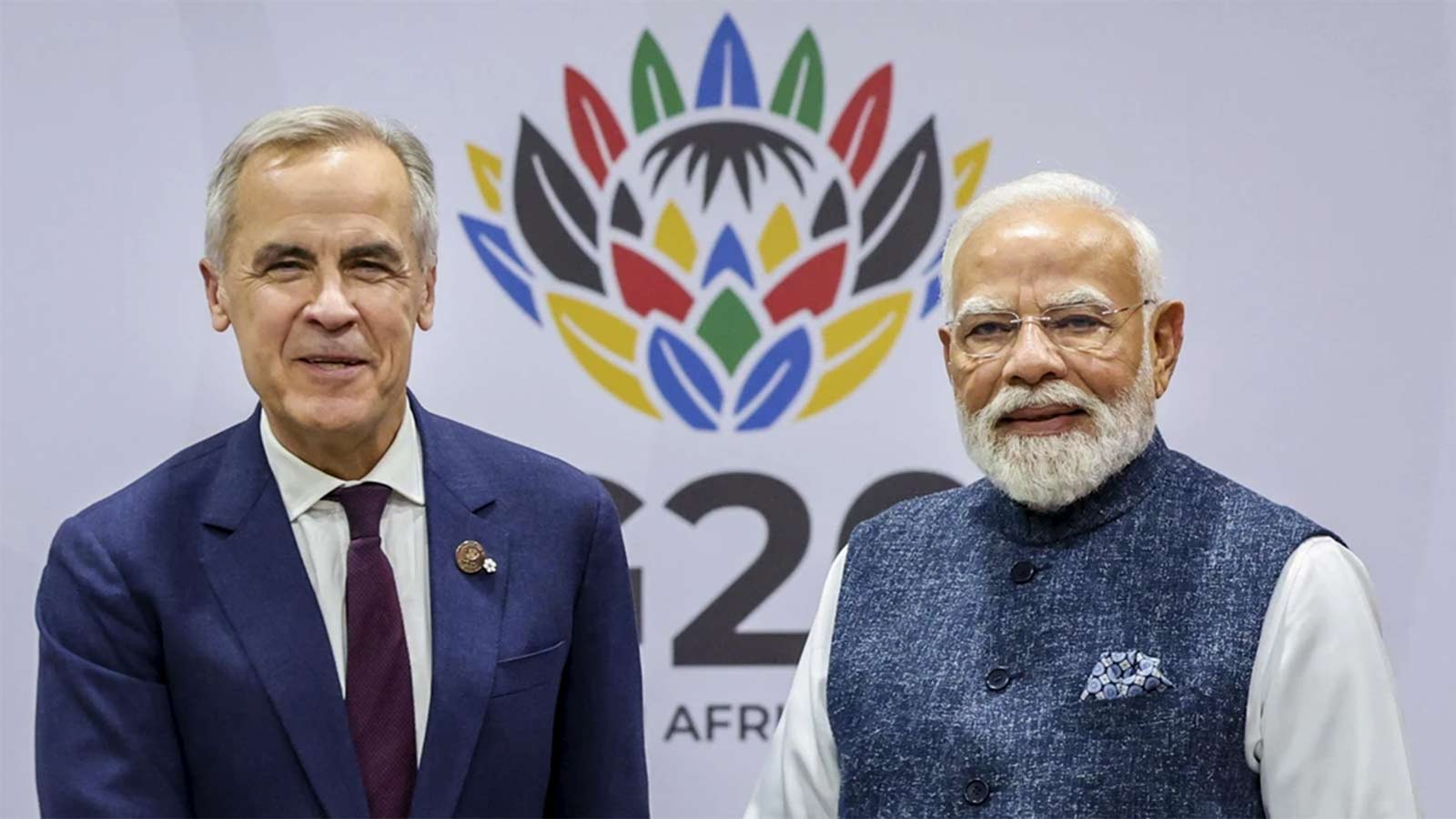
Recent developments suggest that both countries are now keen to move past the rupture. The uranium deal follows a high-profile bilateral meeting between Canadian Prime Minister Mark Carney and Indian Prime Minister Narendra Modi at the G20 summit in Johannesburg. Their joint statement reaffirmed a commitment to “deepening civil nuclear cooperation, including long-term uranium supply agreements.”
Economic and Energy Implications
For India, the agreement arrives at a critical juncture. As it pushes to meet ambitious clean energy targets and reduce reliance on coal, nuclear power is set to play a larger role. Canadian uranium offers both reliability and the technical support needed to expand India’s nuclear energy capacity—potentially including advanced reactor designs. For Canada, the deal represents a significant boost to its uranium export sector, led by Cameco, and signals a willingness to prioritize economic and energy collaboration over past grievances.
Industry analysts note that the $2.8 billion valuation reflects not only the volume of uranium to be supplied but also the strategic value of long-term energy security for both nations. The deal could pave the way for additional collaborations in nuclear technology, safety standards, and even joint research initiatives.
Looking Beyond the Deal: Future Prospects and Challenges
While the agreement is poised to reshape bilateral ties, challenges remain. Political sensitivities around civil nuclear trade persist, especially given the legacy of past disputes and the ever-present scrutiny of global non-proliferation norms. Both governments must navigate these issues carefully, ensuring transparency and adherence to international standards.
Moreover, the integration of SMRs and other advanced technologies will require sustained collaboration—not just in supply, but in knowledge sharing, regulatory alignment, and public engagement. If successful, the Canada–India uranium deal could serve as a model for other international nuclear partnerships, balancing energy needs with diplomatic realities.
For now, the imminent agreement signals a pragmatic approach: both countries recognizing the mutual benefits of cooperation in a sector where trust and reliability are paramount. The uranium deal is not just about fuel—it’s about building a bridge over troubled waters and investing in a shared energy future.
Based on verified sources, the India–Canada uranium deal stands as a testament to diplomatic resilience and the power of pragmatic engagement. While past disputes remain part of the backdrop, this agreement shows that strategic interests can drive renewal in bilateral relations, offering both nations a pathway toward energy security and technological progress.