


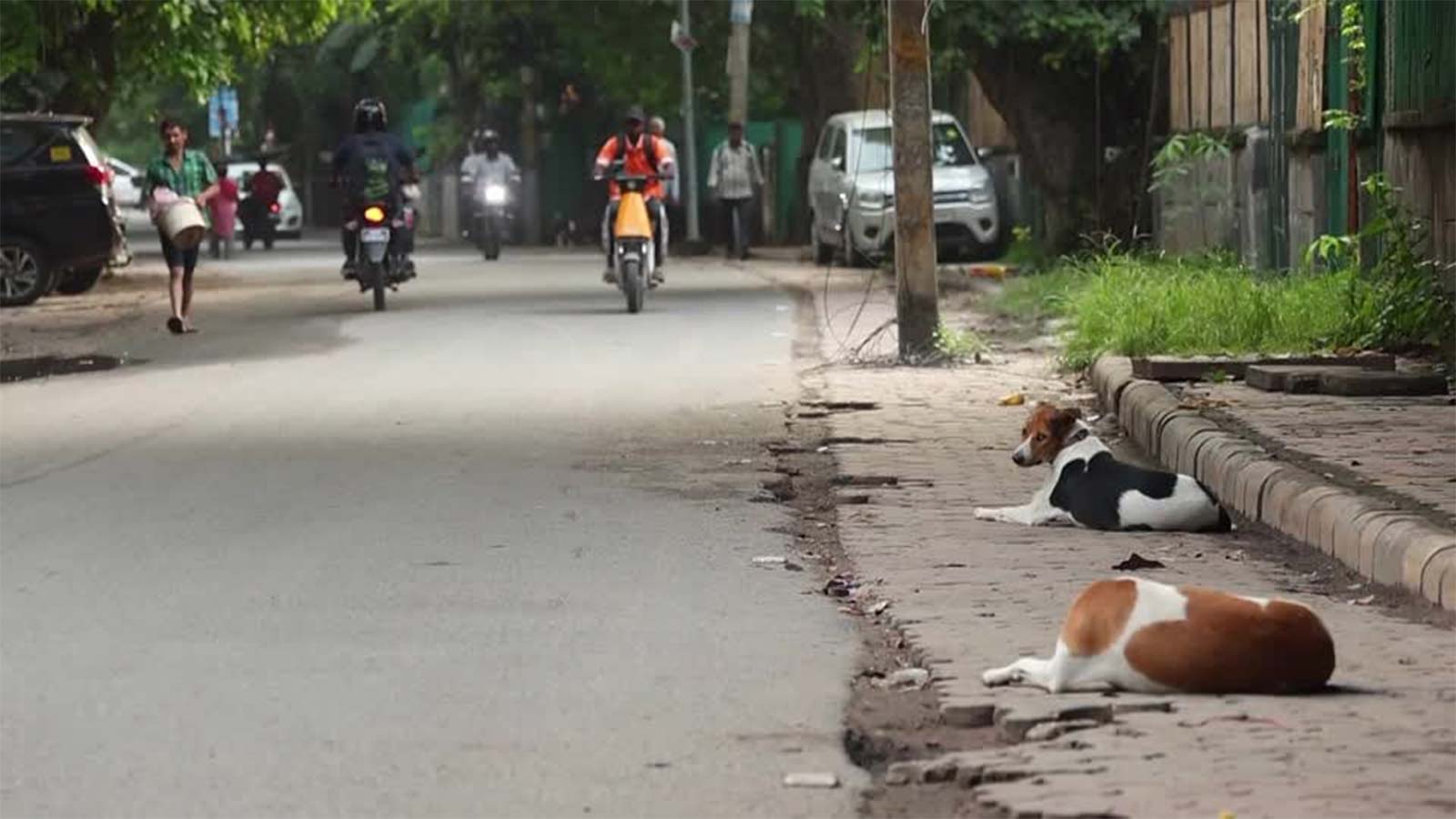
The issue of stray dogs has taken center stage in India, particularly in the capital city of Delhi, after a series of legal and societal debates culminated in a landmark decision by the Supreme Court on Friday, August 22, 2025. The apex court revised its earlier directive to confine all stray dogs in shelters, a decision that had sparked widespread protests and criticism from animal rights activists, NGOs, and public figures. The new order mandates that stray dogs be sterilized, vaccinated, and returned to their original locations, barring those that exhibit aggressive behavior or signs of rabies.
Background: A Growing Stray Dog Problem
India is home to an estimated 52.5 million stray dogs, with Delhi alone reportedly housing over one million of them, according to Sight Magazine. The issue has been exacerbated by a surge in dog bites and cases of rabies. Government statistics indicate that there were 3.7 million dog bite cases nationwide in 2024, with 25,000 reported in Delhi alone. However, rabies-related human deaths remain relatively rare, with 54 recorded cases across the country last year.
Despite these figures, stray dogs often hold a cherished place in Indian society, particularly in middle-class neighborhoods where residents frequently care for them. Many stray dogs are even clothed in warm jackets during the winter months, a testament to the bond between these animals and local communities. However, the rising number of attacks, especially on vulnerable groups like children and the elderly, led to the initial Supreme Court ruling earlier this month, which aimed to relocate all stray dogs to shelters.
The Supreme Court’s Initial Directive and Backlash
The court’s initial order faced immediate backlash from various quarters. Critics, including politicians like opposition leader Rahul Gandhi, described the decision as impractical and inhumane. Animal rights activists, including prominent figures like Maneka Gandhi, argued that the policy was a step backward from decades of humane, science-based approaches to animal welfare. Public protests erupted across Delhi, with activists signing online petitions and taking to the streets to voice their opposition.
Protests intensified in areas like Rohini, where activists accused a local shelter of mistreating stray dogs. Videos from these demonstrations showed protesters chanting slogans against the Municipal Corporation of Delhi (MCD) and the Delhi Police. Allegations of cruelty, including claims that dogs were being locked in bathrooms or beaten, further fueled public anger. However, a subsequent inspection by the police found no evidence of mistreatment, with officials reporting that most of the 113 dogs housed in the shelter were in healthy condition.
The Revised Order: A Balanced Approach
Responding to the public outcry, the Supreme Court issued a revised order on Friday. The new directive aligns with the Animal Birth Control Rules, 618, emphasizing sterilization, deworming, and vaccination before releasing stray dogs back to their original locations. The court also called for the establishment of designated feeding zones to curb public feeding in unauthorized areas.
Animal rights organizations, including PETA India, welcomed the decision, praising the court for adopting a more scientific and humane approach. “On behalf of the community dogs we serve, we thank the three-judge bench for its decision,” PETA India stated. However, concerns remain about the lack of clarity on what constitutes “aggressive behavior,” a grey area that could lead to inconsistent enforcement of the new policy.
Wider Implications and Future Steps
The Supreme Court’s ruling is not limited to Delhi. A three-judge panel announced plans to expand the scope of the case to formulate a uniform policy for managing stray dogs across India. This move is seen as a significant step toward addressing the country’s stray dog crisis comprehensively.
Meanwhile, public sentiment remains divided. While animal lovers like college student Aanvi Singh celebrated the revised order as a victory for humane treatment, others voiced concerns about the practical challenges of implementing sterilization and vaccination programs on such a large scale. The government has also been urged to increase funding and resources for animal welfare initiatives to ensure the success of these programs.
As India grapples with this complex issue, the revised policy offers a balanced approach that seeks to address public safety concerns while respecting the rights and welfare of stray animals. The coming months will be crucial in determining how effectively this policy is implemented and whether it can serve as a model for other regions facing similar challenges.
The Supreme Court’s decision marks a pivotal moment in India’s ongoing debate over stray dogs, balancing the need for public safety with compassion and scientific reasoning. As the country moves forward, the success of this policy will depend on the collective efforts of the government, animal rights groups, and local communities.