


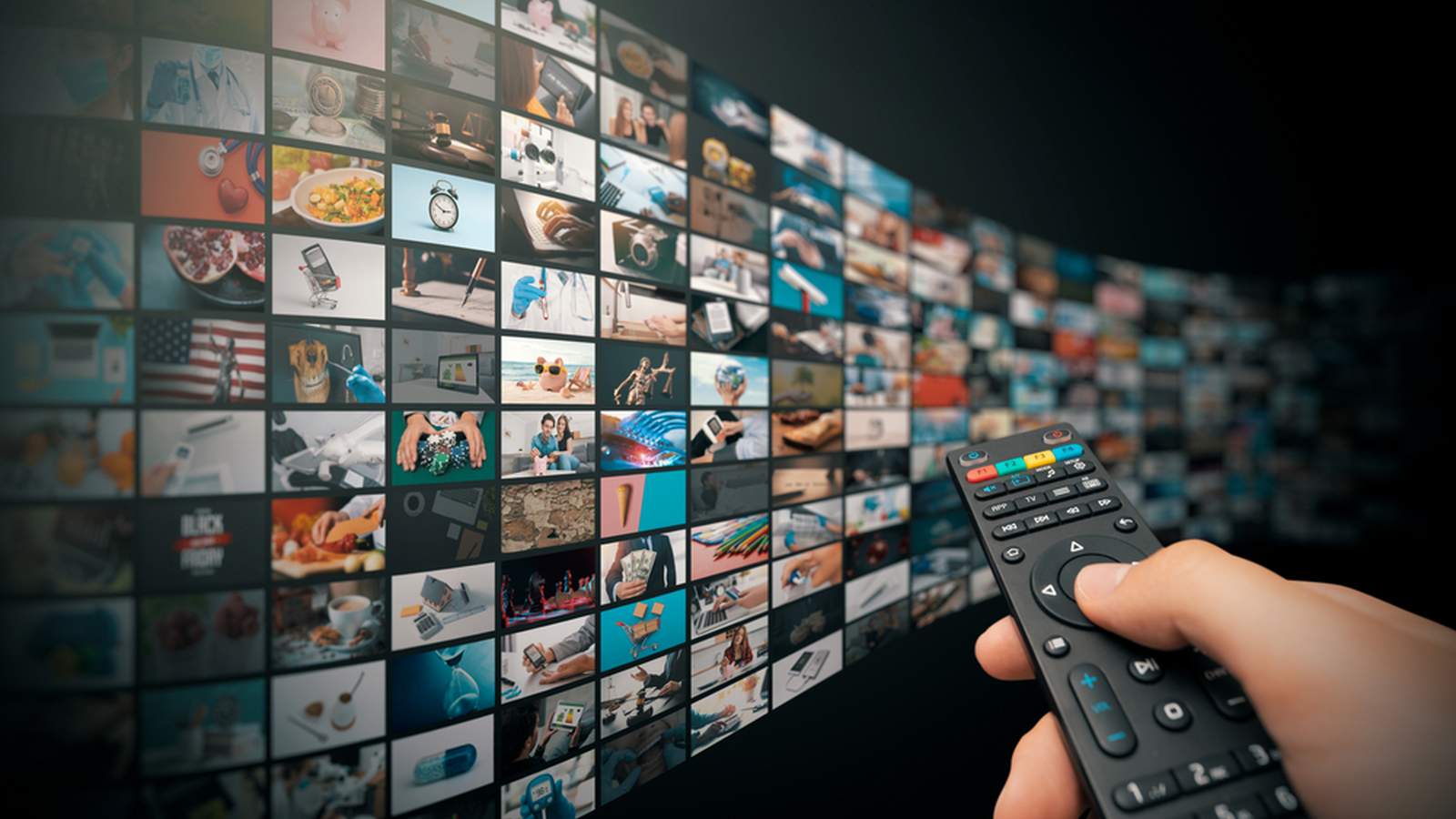
For decades, home entertainment operated on a rigid broadcasting model. Media networks dictated programming schedules, decided broadcast hours, and required audiences to align their daily routines with fixed transmission guides. That structural balance of power has fundamentally shifted. Today, consumer demand centers on immediate control over content selection, interface organization, and playback timing across multiple devices.
According to a technical analysis published by TechBullion, Internet Protocol Television (IPTV) sits at the center of this transformation. By transmitting media streams over packet-switched IP networks rather than dedicated coaxial cable or satellite frequencies, the technology eliminates the bandwidth and geographical constraints that previously governed traditional broadcasting systems.
The Technological Shift in Content Delivery
The core distinction between legacy broadcast television and IPTV lies in the distribution architecture. Traditional cable and satellite providers broadcast every channel simultaneously over physical infrastructure, leaving the user’s tuner to filter out a single signal. IPTV operates on a point-to-point delivery model: content is retrieved from central servers only when requested by an end-user device.
This structural change enables three distinct programming formats within a unified interface:
- Live Media Streaming: Real-time access to news, sporting events, and scheduled broadcasts delivered over broadband connections.
- Video on Demand (VOD): Immediate access to digitized content catalogs without adherence to transmission schedules.
- Time-Shifted Media: Catch-up services that allow users to play, pause, or replay live broadcasts hours or days after their original airing.
By unifying these formats, platforms allow users to move seamlessly between screens. A viewer can initiate a live broadcast on a living room smart TV, continue watching on a mobile phone during a commute, and complete the stream on a tablet or desktop computer without losing playback progress or preferences.
Algorithmic Discovery and Personalization
As content libraries expand into hundreds of thousands of titles, direct search and manual channel scrolling have proven inefficient. Personalization systems bridge this gap by transitioning viewer navigation from “what is currently airing?” to “what matches current preferences?”
Modern IPTV infrastructures incorporate machine learning algorithms that analyze user watch history, session duration, completion rates, and explicit genre ratings. These systems assemble tailored interfaces, adjusting home screen layouts, recommending unwatched series, and creating dynamic content rows. Advanced implementations are incorporating natural language processing, allowing users to execute complex voice queries based on mood, actor combinations, or thematic elements rather than exact title matches.
Global Reach and Borderless Access
Another structural disruption caused by internet protocol distribution is the erosion of geographical broadcast boundaries. Legacy satellite and cable providers operate within localized franchise territories, constrained by physical infrastructure and territorial licensing agreements. IPTV platforms bypass local infrastructure limits, enabling international channels, regional news, and multilingual programming to reach worldwide audiences.
This accessibility is particularly relevant for diaspora populations and multicultural households requiring simultaneous access to native-language media and localized domestic channels within a single user account.
Data Collection and Privacy Implications
The transition toward highly personalized television introduces critical considerations regarding user privacy and algorithmic transparency. To construct accurate recommendation engines and dynamic interfaces, IPTV platforms collect granular behavioral analytics, including exact viewing times, pause locations, channel flipping rates, and connected device telemetry.
This continuous telemetry collection creates detailed behavioral profiles for individual accounts. As regulatory frameworks such as the GDPR and regional data privacy acts increase scrutiny on digital tracking, media platforms face growing obligations to clarify data collection policies, obtain explicit user consent, and secure viewer data against unauthorized commercial monetization.
Future Trajectory and Market Stakes
The evolution of personalized television signals a ongoing migration of control from network operators to software platforms. Industry trends suggest that future developments will focus on real-time adaptive interfaces, hyper-targeted local programming, and interactive stream overlays that allow viewers to alter camera angles or access real-time statistics during live events.
As digital infrastructure matures, the long-term viability of linear broadcast networks will increasingly depend on their capacity to integrate cloud-based IP delivery, transparent data governance, and responsive user discovery tools into unified digital ecosystems.