


New Tactics for Energy Exports
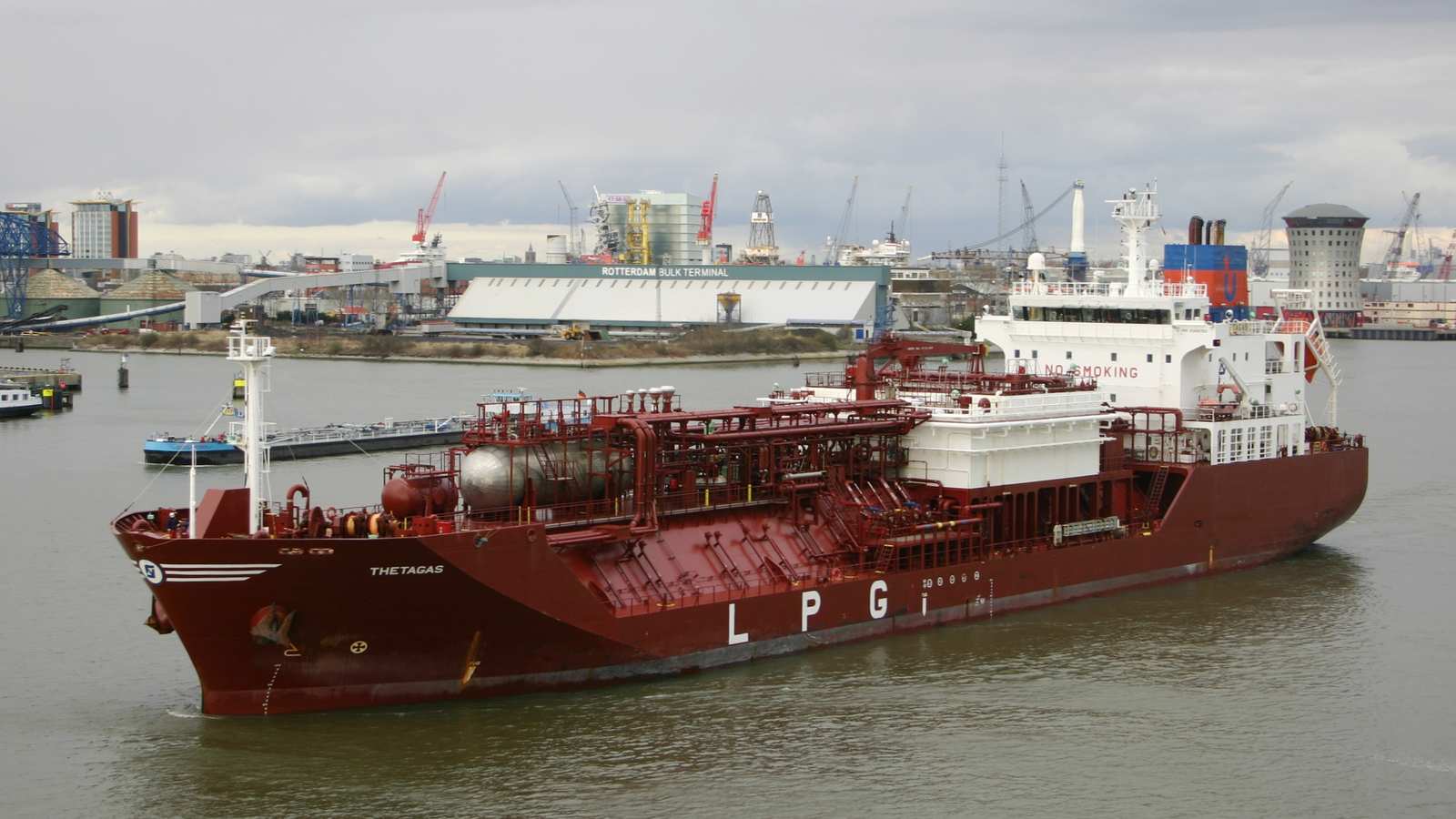
Iran has successfully exported quantities of liquefied petroleum gas (LPG) and jet fuel since July, despite an active US naval blockade designed to sever its energy revenue streams. According to maritime security sources and intelligence data, Tehran has adopted a strategy of concealing these cargoes among a larger volume of ship-to-ship (STS) transfers conducted by other Gulf producers near the coast of Oman, as reported by Reuters.
Analysis from the US advocacy group United Against Nuclear Iran (UANI) indicates that at least eight gas tankers carrying Iranian LPG have exited the Gulf of Oman since mid-July. Additionally, satellite imagery analyzed by the maritime intelligence firm SynMax confirmed that a tanker carrying Iranian jet fuel reached Myanmar in September. These shipments represent a rare breach of a blockade that has otherwise effectively halted Iran’s crude oil exports.
The Mechanics of the Blockade
The US military’s Central Command (Centcom) maintains that its naval blockade, reimposed on July 14 following the collapse of a draft understanding with Iran, remains “ironclad.” Centcom reported on October 13 that over the past three months, US forces have disabled four commercial vessels and turned away 135 ships. A US military official stated that the passage of any specific vessel does not confirm a failure of the blockade, noting that ships are assessed individually based on documentation, and some may be cleared for humanitarian reasons.
The US Treasury Department has expressed skepticism regarding the data suggesting widespread evasion, with a spokesperson noting that ship tracking data can be manipulated through location spoofing or false identities. Despite this, experts observe that the economic pressure on Iran may be forcing the regime to accept higher operational risks. Torbjorn Soltvedt, a principal analyst at Verisk Maplecroft, suggested that the move toward exporting jet fuel might be driven by the growing pressure on Iran’s own aviation industry, where US sanctions have led to a significant number of grounded aircraft.
Regional and Global Implications
The shipments, particularly the delivery to Myanmar, highlight the complexity of enforcing sanctions in volatile regions. The US imposed specific sanctions on Myanmar’s jet-fuel industry in 2023, citing the military government’s use of airstrikes against civilians. While UANI estimates that the total volume of these identified LPG cargoes reaches approximately 4.1 million barrels, analysts emphasize that this activity is likely opportunistic rather than a sign of a massive, sustainable recovery in Iran’s energy export capacity.
Most of the identified tankers reportedly sailed to Malaysia’s Eastern Outer Port Limits to conduct further STS transfers, with China identified as the likely final destination. As Washington continues its “Operation Economic Outcast,” the US Treasury remains focused on severing remaining financial links, having recently imposed fresh sanctions on 17 vessels involved in the transport of Iranian petrochemicals and petroleum products.