


Market Shock Following Spectrum Acquisition
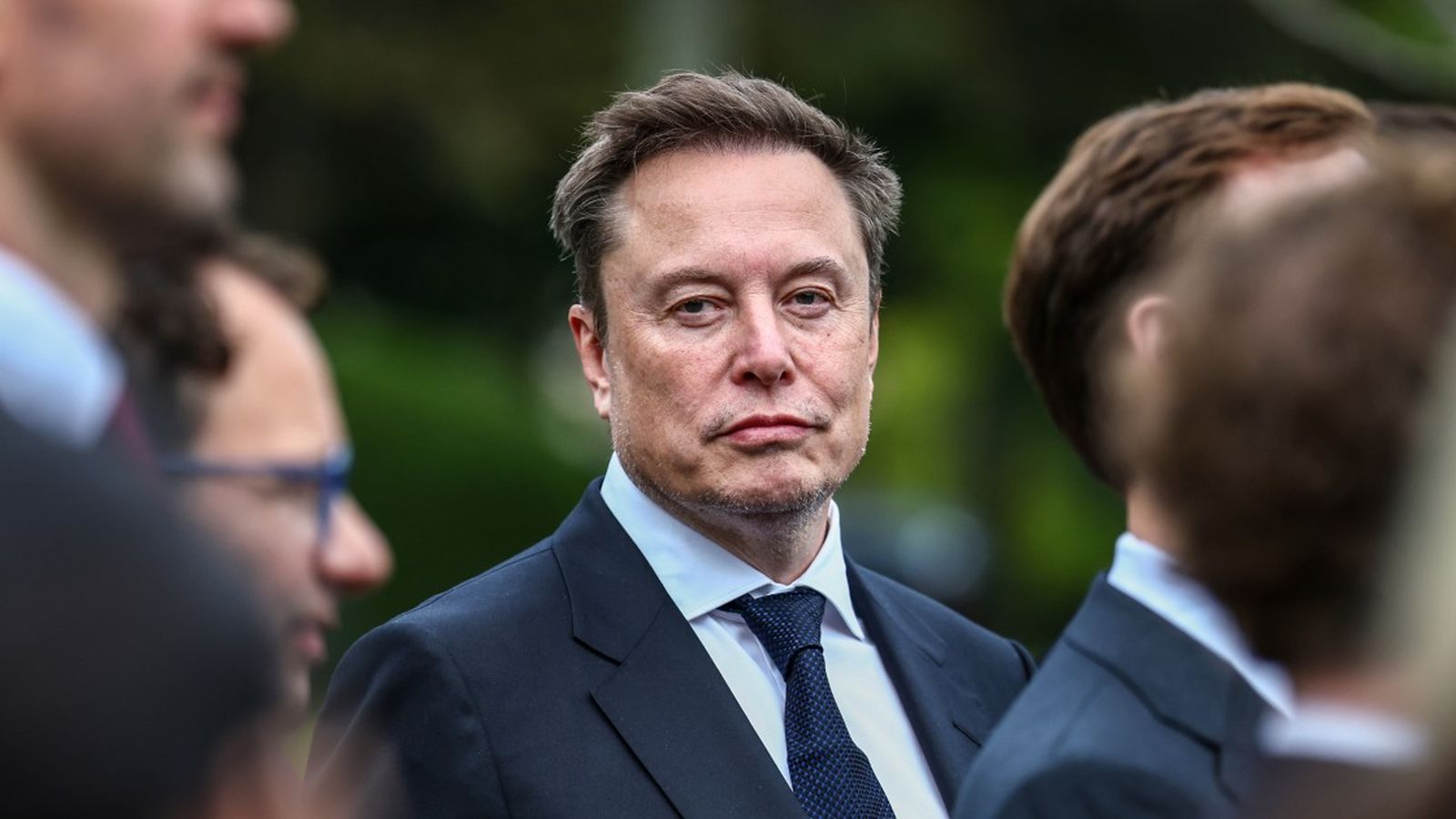
Elon Musk’s SpaceX announced plans for Starlink Mobile to become a major U.S. wireless carrier, triggering a sharp double-digit selloff that wiped out more than $50 billion in market value across the nation’s largest telecommunications providers before midday on Friday, according to NBC News. The announcement followed an agreement by SpaceX to acquire low-frequency radio airwaves from investment firm Grain Management, as detailed in filings with the Federal Communications Commission. SpaceX stated late Thursday that upon receiving final regulatory approvals, Starlink Mobile will deploy a hybrid architecture combining its satellite constellation in low Earth orbit with an advanced terrestrial network designed to connect devices seamlessly everywhere.
Market reaction was immediate and severe. Shares of AT&T fell 9.8%, Verizon dropped 8.7%, and T-Mobile US plunged 13.3% in Friday trading. For Verizon, the drop marked its worst single-day performance since 2002, while T-Mobile experienced its steepest decline since 2011. Shares of Comcast and Charter, which resell wireless services utilizing Verizon’s infrastructure, also declined. Meanwhile, CBS News reported that SpaceX shares rose slightly by 1.6% to $163.18 as investors evaluated the strategic implications of the newly acquired spectrum.
Regulatory Approvals and Technical Strategy
The newly acquired spectrum is considered a vital asset for overcoming physical barriers that typically hinder satellite-to-device communications. Low-frequency radio waves are capable of penetrating walls, roofs, and other structural barriers that traditionally weaken mobile phone signals indoors. Musk noted on social media that the spectrum acquisition represents the final critical piece of the puzzle needed for SpaceX to provide complete phone coverage across the United States. In addition to the spectrum purchase, SpaceX disclosed that the FCC approved its application to launch 15,000 new satellites operating in the 2 gigahertz band to connect directly with standard mobile handsets.
Regulatory oversight appears receptive to the new market entrant. Federal Communications Commission Chairman Brendan Carr expressed strong support for the initiative, stating during a morning appearance on CNBC that the development will benefit American consumers. The regulatory tailwinds coincide with SpaceX’s broader footprint as a premier defense and space contractor working alongside NASA and national security agencies. Analysts note that favorable regulatory decisions remain a core pillar for maintaining SpaceX’s valuation, which reached $2.2 trillion, underpinned by Starlink’s profitable subscriber base exceeding 12 million users worldwide.
Competitor Skepticism and Infrastructure Challenges
Despite the immediate market turmoil, established telecommunications companies and Wall Street analysts questioned whether Starlink Mobile can rapidly scale into a viable nationwide competitor. Major wireless carriers emphasized that holding spectrum licenses does not instantly equate to operating a functional, high-capacity terrestrial network. Verizon stated that spectrum alone does not provide the network infrastructure required to offer true nationwide coverage, characterizing unused airwaves without supporting towers as empty capacity. T-Mobile’s president of technology, John Saw, acknowledged SpaceX’s aerospace achievements but wrote on LinkedIn that building a high-performing terrestrial network requires years of engineering.
Financial analysts at JPMorgan Chase and UBS echoed these operational hurdles, suggesting that SpaceX would need to construct extensive earth-based macro towers to match the quality of service provided by traditional carriers inside buildings. UBS analyst John Hodulik noted that while regulatory hurdles appear manageable given that the airwaves are compatible with existing handsets, scaling the wireless ambitions will take time, limiting near-term risks to established industry fundamentals. As traditional providers downplay the immediate threat, the evolving landscape sets the stage for a prolonged competitive and regulatory struggle over the future of American wireless connectivity.